based on 8 reviews
What Is The Manaslu Circuit Upper Route Trek?
The Manaslu Circuit Upper Route Trek is a remote and culturally rich high-altitude trekking journey in Nepal, offering an authentic Himalayan experience far from crowded trails.
This route circles Mount Manaslu, the world’s eighth-highest peak, and passes through the Budhi Gandaki Valley, Upper Nubri Valley, and several traditional Himalayan villages. You experience a combination of pristine alpine landscapes, lush forests, terraced farming communities, and glacial valleys, making it one of Nepal’s most scenic and off-the-beaten-path treks.
The trek typically spans 20 days, beginning from the town of Barpak or Soti Khola and looping around Manaslu before descending toward Dharapani and Besisahar. Along the way, you cross several suspension bridges, traverse yak pastures, and enjoy panoramic views of snow-capped peaks, including Himal Chuli, Naike, Ganesh Himal, and Cheo Himal.
The Upper Route also provides opportunities to explore remote cultural settlements, traditional monasteries, and prayer sites, which reflect the region’s strong Tibetan Buddhist heritage.
With altitudes ranging from approximately 1,400 meters to 5,106 meters at Larkya La Pass, the trek offers a gradual ascent that allows for acclimatization. During this journey, you are exposed to diverse landscapes, from subtropical forests in the lower valleys to arid, high-altitude terrain near the pass.
Its remote setting and well-preserved natural environment make the Upper Route around Manaslu ideal if you are seeking solitude, adventure, and a deep connection with Himalayan culture.
Where Does The Upper Route Differ From The Classic Manaslu Circuit?
The Upper Route of the Manaslu Circuit Trek offers a distinctly different experience compared to the classic Manaslu Circuit, even though both routes eventually cross the iconic Larkya La Pass at 5,106 meters.
While the classic circuit follows the Budhi Gandaki River, passing well-known villages like Machha Khola, Jagat, Deng, Namrung, Lho, and Samagaun, the Upper Route ventures into far more remote areas, including Barpak, Laprak, Prok, and the Upper Nubri Valley. This path is less frequented by trekkers.
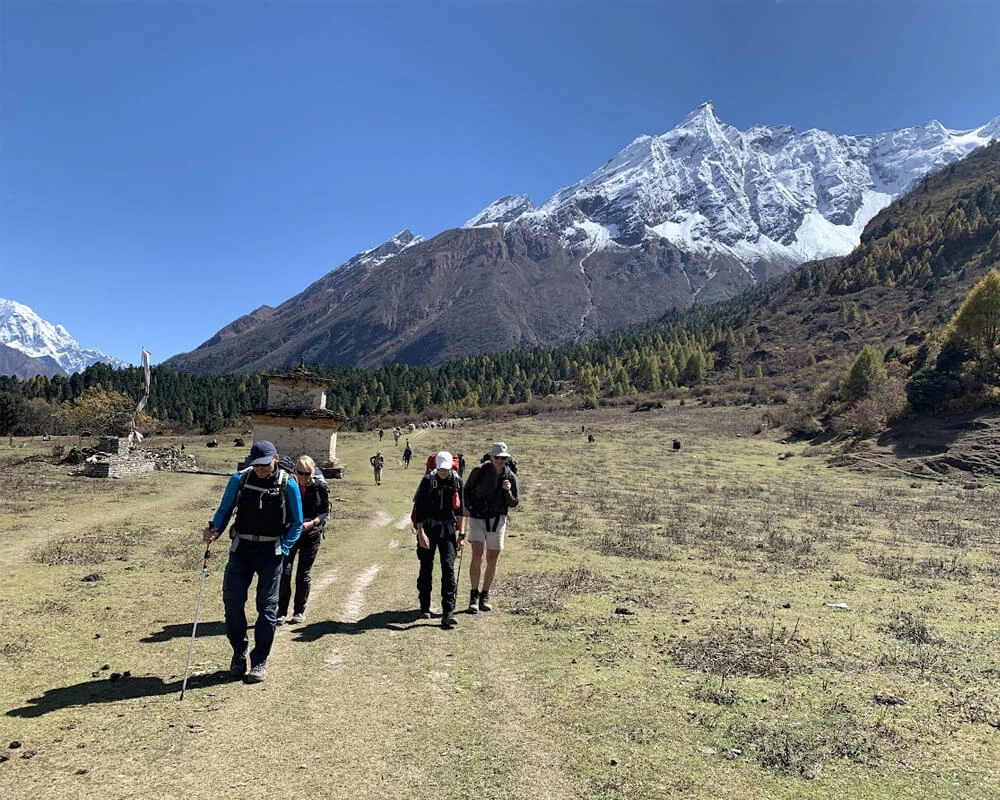
Cultural encounters along the Upper Route are also more pronounced. Whereas the classic route showcases a mix of Gurung and Tamang communities, the Upper Route introduces travelers to high-altitude villages deeply rooted in Tibetan Buddhist traditions. Monasteries, prayer flags, stone chortens, and remote highland settlements line the trail.
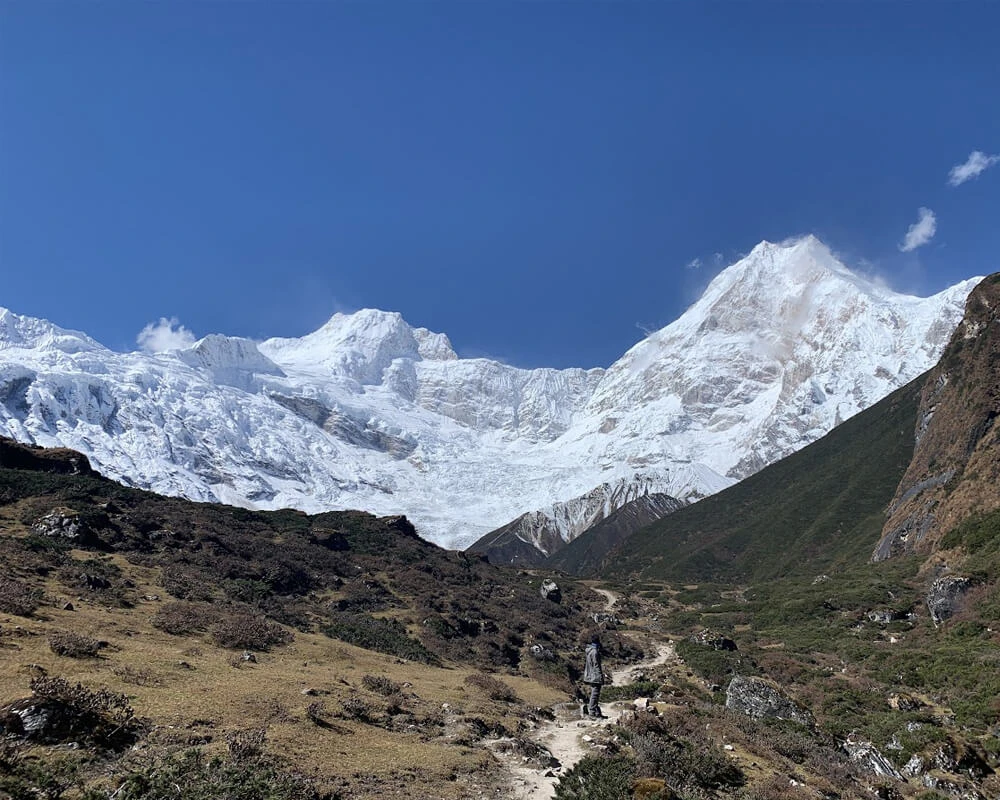
Scenery along the Upper Route differs from the classic circuit as well. While the classic trek features subtropical forests, blooming rhododendron hills, and alpine meadows leading up to the pass, the Upper Route is defined by rugged valleys, expansive yak pastures, glacial ridges, and panoramic Himalayan peaks that feel untouched and wild.
Crowds are another notable distinction. The classic Manaslu Circuit sees moderate trekking traffic, particularly near Samagaun and Larkya La, whereas the Upper Route remains quiet and secluded, so you have uninterrupted exploration and meaningful interaction with local communities.
Also, the trails themselves are narrower and less developed, creating an authentic, off-the-beaten-path trekking experience.
In essence, while theclassic and Upper Routes converge at the same Himalayan landmark, the Upper Route provides a more remote, culturally immersive, and scenic alternative.
Who Is This Trek Best Suited For?
The Manaslu Circuit Upper Route Trek is ideally suited if you are looking for an off-the-beaten-path adventure combined with rich cultural immersion and high-altitude challenges.
It is especially perfect if you have some prior trekking experience, as the journey involves long daily hikes, rugged terrain, and gradual acclimatization to elevations exceeding 5,100 meters at Larkya La Pass. If you thrive on exploring remote villages, interacting with Tibetan Buddhist communities, and witnessing authentic Himalayan lifestyles, you find this trek especially rewarding.
While beginners with good fitness and a spirit for adventure can also attempt the trek, it is most suitable for intermediate to experienced trekkers who are comfortable with multi-day treks, altitude changes, and basic tea house accommodations.
As for solo trekkers, small groups, and couples seeking tranquility away from crowded trails, they might also appreciate the solitude and natural beauty of the Upper Manaslu region.
What Makes The Manaslu Circuit Upper Route Trek Unique?
Trekking Through Barpak & Laprak Cultural Trail
Trekking through the Barpak and Laprak is one of the most enriching experiences on the Upper Manaslu Circuit. These villages, nestled in the lower reaches of the Budhi Gandaki Valley, offer you a unique window into the traditional Himalayan way of life.
Barpak is a charming Gurung village and is renowned for its stone-built houses, intricate woodwork, and narrow cobblestone lanes. The village holds a rich history and resilient culture, including centuries-old communal practices.
As you continue toward Laprak, the trail becomes even more immersive. Laprak is famous for its traditional Magar and Gurung architecture, which features intricately carved windows, prayer wheels, and small local shrines.
Walking through these villages, you can witness daily life as it has been for generations. These cultural interactions provide a deeper understanding of the Himalayan communities.
The trail itself is moderately challenging but manageable. You pass through terraced farmland, lush forests, and occasional suspension bridges. Along the way, you can enjoy uninterrupted views of the surrounding mountains while simultaneously absorbing the rich cultural heritage.
Entering The Budhi Gandaki Valley, Upper Nubri Valley, & Remote Villages
As you continue the Upper Manaslu Circuit, the trail gradually opens into the breathtaking Budhi Gandaki Valley, which is framed by towering Himalayan peaks and deep river gorges. This valley is the lifeline of the Upper Manaslu region and you pass throughsome of the most remote and untouched landscapes in Nepal.
As you ascend further,the trail leads into the Upper Nubri Valley, which is a high-altitude expanse known for its stark landscapes, expansive alpine pastures, and striking mountain vistas. This region offers a rare glimpse into Tibetan Buddhist culture, with monasteries, prayer flags, and chortens.
Here, you encounter remote settlements like Samdo and Samagaun. In these villages, you witness stone houses, mani walls, and prayer wheels that reveal the deep-rooted traditions of the local Tibetan-descended communities.
The journey through these valleys is a visual feast, with the Budhi Gandaki River carving dramatic gorges, snow-capped peaks looming overhead, and terraced fields creating a patchwork across the hillsides.
Day Hike To Tibet Border Rui La (4,998 Meters)
The Rui La day hike is one of the most exhilarating side trips on the Upper Manaslu Circuit, offering a rare glimpse into the remote Nepal-Tibet border region.
Starting from the high-altitude village of Samdo at 3,860 meters, this hike takes you through rugged alpine landscapes, prayer-flagged ridges, and ancient Tibetan Buddhist sites.
The trail gradually ascends along rocky ridges and barren slopes, with spectacular panoramic views of towering peaks including Manaslu, Ngadi Chuli, and Cheo Himal. Along the way, you encounter traditional mani walls, chortens, and prayer flags. You may also spot Himalayan blue sheep, marmots, or soaring eagles on this trail.
At an elevation of 4,998 meters, Rui La is situated near the historical trade route to Tibet. This hike serves as a challenging yet manageable acclimatization opportunity for the upcoming Larkya La Pass.
The round trip typically takes 7 to 8 hours, depending on pace and weather. For this day, you should maintain a slow and steady pace, stay hydrated, and carry warm layers due to the cold winds at high altitude.
Crossing Larkya La Pass (5,106 Meters)
Crossing Larkya La Pass, at an altitude of 5,106 meters, is the ultimate highlight of the Manaslu Circuit Upper Route Trek. As the highest point of the trek, Larkya La offers breathtaking panoramic views of the surrounding Himalayas, including Manaslu, Larkya Peak, Himlung Himal, Cheo Himal, and Annapurna II. The pass rewards you with aonce-in-a-lifetime experience in one of Nepal’s most remote high-altitude regions.
The day begins with an early start from Dharmasala (4,460 meters), where you face a steep and gradually ascending trail. The terrain is rocky and exposed, and the air becomes thinner as you climb higher.
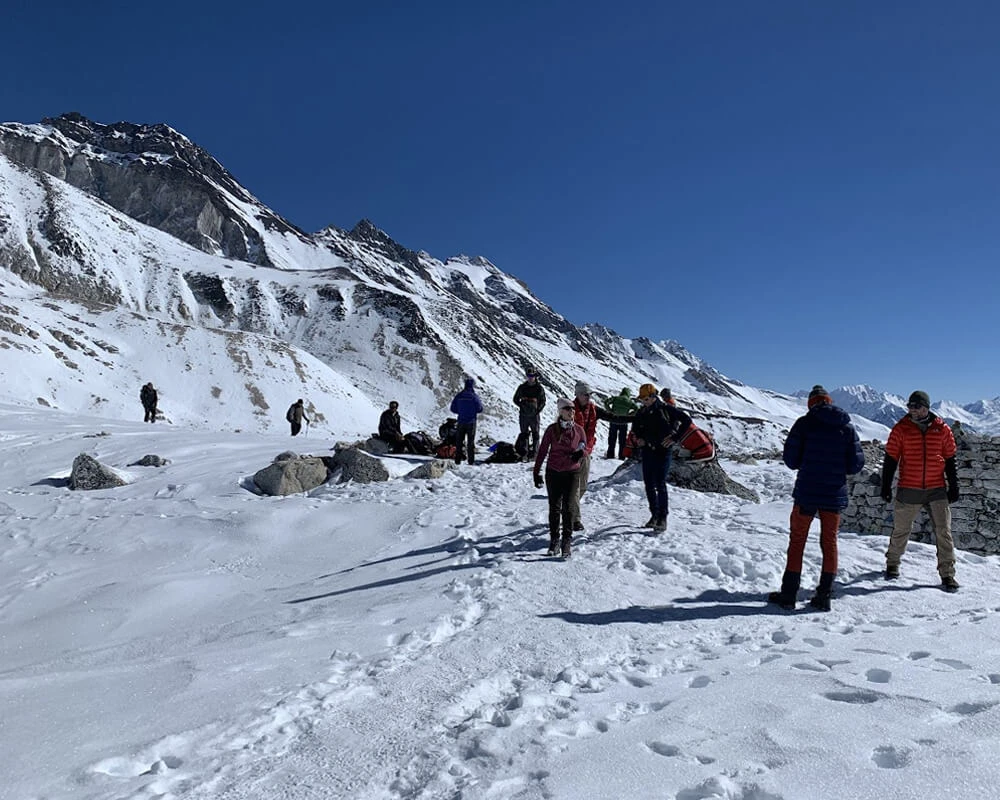
Along the way, you pass glacial moraines, icy ridges, and barren alpine slopes. The crossing typically takes several hours, depending on weather conditions and personal acclimatization.
Reaching the summit of Larkya La Pass is both physically demanding and emotionally rewarding. You are greeted by a sea of fluttering prayer flags and panoramic Himalayan vistas. From this vantage point, you can capture spectacular photographs, take in the serenity of the remote mountain environment, and experience the high-altitude landscape.
After the summit, the trail descends toward Bhimthang (3,590 meters). This descent takes you through diverse terrain, from rocky highlands to lush alpine pastures. Proper acclimatization in Samagaun and Samdo before this day is essential, as it prepares your body for the reduced oxygen levels and ensures a safer, more enjoyable experience at high altitude.
Tibetan Buddhist Culture Of The Upper Manaslu Region
As you move deeper into the high Himalayan valleys beyond Namrung and toward villages like Lho, Shyala, Samagaun, and Samdo, the cultural landscape gradually shifts from mid-hill Hindu communities to settlements deeply rooted in Tibetan Buddhist traditions. This cultural transition is visible in every detail of the trail, from intricately carved mani walls and spinning prayer wheels to chortens, monasteries, and colorful prayer flags.
Tibetan Buddhism has shaped daily life in Upper Manaslu for centuries, largely due to the region’s historical trade and cultural connections with Tibet. The local Nubri people follow ancient spiritual practices. You frequently pass through villages where monasteries, known as gompas, serve as both religious and social centers.
One of the most notable cultural highlights is the Ribung Monastery in Lho. Here, you see monks conduct prayers accompanied by chanting and traditional instruments.
Along the trail, cultural symbols are deeply meaningful. Mani stones carved with sacred Buddhist mantras line pathways as blessings for travelers, while prayer wheels are spun clockwise as an act of devotion. Even the layout of villages reflects spiritual beliefs, with homes and monasteries positioned according to traditional cosmology.
The Upper Manaslu region also preserves traditional lifestyles that have changed little over generations. Stone-built houses, yak herding, seasonal farming, and communal cooperation remain central to village life.
Locals often wear traditional Tibetan-style clothing, and hospitality is expressed through warm tea house welcomes, shared meals, and stories of mountain life.
Flora, Fauna, & Mountains Seen On The Upper Route Around Manaslu
The Manaslu Circuit Upper Route Trek is one of Nepal’s richest trekking routes in terms of biodiversity, dramatic landscapes, and uninterrupted mountain panoramas. As the trail ascends through the protected Manaslu Conservation Area, you experience a remarkable transition of ecosystems, wildlife habitats, and scenery that changes almost daily with altitude.
The journey begins in lush subtropical terrain along the Budhi Gandaki Valley, with dense forests of bamboo, pine, and rhododendron. During spring, these forests bloom in vibrant shades of red, pink, and white, transforming the trail into one of the most colorful trekking corridors in Nepal.
As elevation increases toward the Upper Nubri Valley, vegetation gradually shifts into alpine meadows, juniper shrubs, and windswept high-mountain landscapes dotted with yak pastures and glacial streams. Near Dharmasala and Larkya La Pass, the environment becomes stark and dramatic, with rocky moraines, snowfields, and glacier-carved valleys.
The Upper Route around Manaslu is equally rewarding. The conservation area protects diverse Himalayan species adapted to varying altitude zones.
On the way, you may encounter Himalayan langurs, musk deer, or Himalayan blue sheep. Similarly, marmots are commonly spotted in higher elevations, while birdlife includes the colorful Himalayan monal (Nepal’s national bird) along with eagles and high-altitude vultures. Although rare, the region is also known as a habitat for the elusive snow leopard.
Also, mountain views remain a constant highlight throughout the trek. Early sections offer distant glimpses of Ganesh Himal and Shringi Himal, while the upper villages reveal increasingly dramatic panoramas.
Around Lho and Shyala, you are surrounded by towering peaks, including Himalchuli, Ngadi Chuli, and the immense Manaslu massif itself. In Samagaun, Mount Manaslu, the eighth-highest mountain in the world, dominates the skyline. The scenery reaches its peak at Larkya La Pass with sweeping views of Himlung Himal, Cheo Himal, Kang Guru, and parts of the Annapurna range.
Because the region remains relatively less crowded compared to other popular trekking routes in Nepal, wildlife habitats and natural environments feel largely untouched.
Manaslu Circuit Upper Route Trek Cost And Inclusions
The total Manaslu Circuit Upper Route Trek cost is USD 1,245 per person, covering all essential services required to safely complete this restricted-area trek.
Now, let's answer one of the most common traveler questions: “What exactly am I paying for during the Manaslu Circuit Upper Route Trek?”
The USD 1,245 package includes all core trekking logistics necessary for a smooth experience.Accommodation in local tea houses along the route, three daily meals (breakfast, lunch, and dinner), a licensed, experienced trekking guide, all required restricted area permits and conservation fees, and ground transportation linked to the itinerary.
However, the package is intentionally flexible by excluding personal or optional services so you can customize your experience. Porter services are not included but can be arranged upon request for an additional cost. International flights, Nepal entry visa fees, travel insurance, trekking gear rental, personal snacks, beverages, hot showers, Wi-Fi charges, battery charging fees, and personal expenses are excluded.
Tips for guides and staff, which are customary in Nepal’s trekking culture, are also not included in the package price. Any upgrades in transportation, private vehicle requests, or additional hotel nights in cities fall outside the standard inclusions as well.
Permits Needed For The Manaslu Upper Route Trek
The Manaslu Circuit Upper Route Trek requires multiple government-issued permits because the region lies within a restricted Himalayan border zone near Tibet and passes through protected conservation areas. All permits must be arranged through a licensed trekking agency.
Below is a complete, updated breakdown of permits required for the Manaslu Upper Route Trek, including costs, issuing offices, and important regulations.
- Manaslu Restricted Area Permit (Special Permit): RAP is the primary permit required to enter the Upper Manaslu region between Jagat and Samagaun. It is issued by Nepal Immigration through authorised trekking agencies in Kathmandu or Pokhara.
- RAP Cost:
- September to November (Autumn): USD 100 per person for the first 7 days, and USD 15 per person per additional day
- December to August: USD 75 per person for the first 7 days and USD 10 per person per additional day
- Manaslu Conservation Area Permit (MCAP): It is required for trekking inside the Manaslu Conservation Area. It costs NRs 3,000 per person.
- Annapurna Conservation Area Permit (ACAP): As the trek exits Manaslu and joins the Annapurna region after crossing Larkya La Pass, you must also obtain the Annapurna Conservation Area Project (ACAP) Permit. It costs NRs 3,000 per person.
For these permits, you must trek with a licensed trekking guide, and all permits must be arranged through a registered trekking agency. As per Nepal’s updated 2026 restricted area trekking regulations, solo trekkers are now permitted in the Manaslu region under this guided trekking system.
To issue all permits smoothly, you must provide a valid passport (minimum 6 months validity), Nepal entry visa, passport-sized photos (digital copies accepted), travel insurance details (recommended), and a confirmed trekking itinerary through a licensed agency. Permit processing typically takes 1 to 2 working days in Kathmandu.
Multiple checkpoints along the trail verify permits, and trekking without proper documentation can result in fines or denied entry.
Why Is A Licensed Guide Mandatory For Upper Manaslu? Do I Need To Hire A Porter?
For anyone planning the Upper Manaslu Trek, hiring a licensed guide is not optional; it is mandatory. This requirement stems from Nepal’s government regulations for restricted areas, ensuring both safety and compliance.
The Upper Manaslu region is remote, rugged, and culturally sensitive, and a licensed guide is essential for navigating the trails, managing permits, and providing support in case of altitude sickness or emergencies.
Beyond legality, guides also enrich your trekking experienceby offering local insights, explaining Tibetan Buddhist culture, and assisting with interactions in remote villages that are often inaccessible without someone who understands the terrain and traditions.
While hiring a porter is optional, it is highly recommended for a more comfortable trek. Porters can carry heavy luggage, freeing you to focus on the challenging terrain and acclimatization. Having a porter reduces fatigue and allows you to enjoy scenic spots without worrying about the weight of your gear.
The typical cost for a licensed guide is USD 35 per day, while a porter costs around USD 25 per day. These rates include their salary, accommodation, meals, and insurance.
Tips are not included and should ideally be 15 to 20% of the total cost.
How Difficult Is The Manaslu Upper Route Trek?
The Manaslu Circuit Upper Route Trek is considered one of the more challenging treks in Nepal, offering both physical and mental demands that set it apart from typical trekking routes. The difficulty stems from a combination of high-altitude terrain, remote villages, and steep, rugged trails that require consistent trekking over multiple days.
Unlike lower-altitude routes, the Upper Manaslu Trek takes you through alpine landscapes, river valleys, and mountain passes that rise above 5,000 meters, including the famous Larkya La Pass (5,106 meters). The thin air at these altitudes makes even moderate walking more strenuous, and acclimatization days are essential to prevent altitude sickness.
Trail conditions on the Upper Route vary significantly, from well-marked paths in villages to rocky, narrow, and sometimes slippery trails in the higher valleys. Crossing suspension bridges, steep ascents, and occasional river crossings also add to the trek’s technical difficulty.
Seasonal changes also impact the challenge: spring and autumn provide clear skies and stable paths, while monsoon months bring muddy trails and swollen rivers, and winter can present icy slopes and sub-zero temperatures.
Another factor influencing difficulty is the trek’s remoteness and limited facilities. Unlike the classic Manaslu Circuit, the Upper Route passes through sparsely populated villages in the Budhi Gandaki and Upper Nubri Valleys, meaning you must be self-sufficient for essentials and prepared for minimal services.
Altitude, steep ascents, trail conditions, seasonal variations, and remoteness all contribute to the Upper Manaslu Trek being categorized as strenuous. You should be prepared for long daily walking hours, significant elevation gains, and days of continuous trekking under variable weather conditions.
While the trek is manageable for experienced and well-prepared hikers, those attempting it should respect the physical demands, plan for proper acclimatization, and understand that the journey requires endurance, stamina, and mental resilience.
Fitness Level Required For The Upper Manaslu
The Upper Manaslu Circuit Trek is a challenging high-altitude journey, and understanding the fitness level required is essential for a safe and enjoyable experience.
While this trek is accessible to experienced and moderately fit trekkers, it demands endurance, stamina, and mental resilience due to long walking days, steep ascents, and thin mountain air at altitudes above 5,000 meters.You typically walk 5 to 8 hours per day on uneven trails, often with significant elevation gains, so consistent cardiovascular fitness is key.
Previous high-altitude experience is also beneficial but not mandatory, as the trek includes gradual acclimatization days to reduce the risk of altitude sickness. As a well-prepared trekker, you should be comfortable with continuous uphill and downhill walking, carrying a light daypack, and adjusting to cold temperatures and variable weather.
Physical preparation should focus on cardio exercises such as running, cycling, or brisk hiking, combined with strength training for legs, core, and back muscles. Practicing with weighted backpacks and longer day hikes at lower altitudes can help simulate trekking conditions.
Even moderately active individuals can complete the Upper Manaslu Trek safely with dedicated preparation over 8 to 12 weeks.
How To Book The Manaslu Upper Route Trek?
Booking the Manaslu Circuit Upper Route Trek with Nepal Trekking Experts is a simple and secure process designed to make your travel planning smooth and stress-free. To confirm your trek,you only need to send a 10% deposit of the total trek cost, which allows our team to begin arranging permits, accommodations, transportation, and guide services required for this restricted-area journey.
After confirming your booking, you are asked to provide a copy of your passport, a passport-sized photograph, and your flight details once they are available. These documents are necessary for issuing trekking permits and preparing official logistics before your arrival in Nepal.
For convenience, the deposit can be paid safely online through our official website. The payment system is secure, and you will receive an automatic confirmation receipt directly in your email immediately after completing the transaction. The remaining balance can be paid upon arrival in Kathmandu.
If you have questions at any stage of planning, our team is always available to assist. Simply reach out to us anytime, and we will be happy to help you prepare for a safe, well-organized, and unforgettable Manaslu trekking experience.