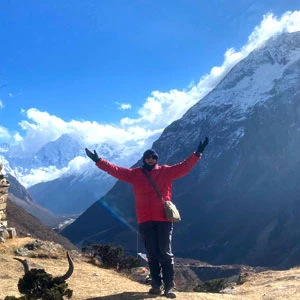
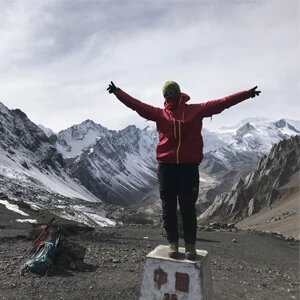
Tamang Heritage Langtang Valley TrekTamang Heritage Langtang Valley Trek

Tamang Heritage with Langtang Valley Trek

Cultural Trekratingbased on 3 reviews
  • Duration15 Days
  • Difficulty Level Moderate
  • Activity Trekking/Hiking
  • Max. Altitude 4984 meters/ 16352 feet
  • Starts Syabrubesi
  • Ends Syabrubesi
  • Group Size 1-12
  • Best Season September To May
Group Discount Prices
  
1 paxUS$1045
2 - 3 paxUS$845
4 - 7 paxUS$795
8 - 12 paxUS$745
Tamang Heritage with Langtang Valley Trek Highlights
  • Experience a unique combination of the Tamang Heritage Trail and the scenic Langtang Valley Trek in one Himalayan journey.
  • Explore authentic Tamang villages, including Gatlang, Thuman, and Khangjim, which are rich in Tibetan-influenced culture and traditions.
  • Trek through the beautiful landscapes of Langtang National Park with forests, rivers, waterfalls, and alpine valleys.
  • Enjoy spectacular mountain views of Langtang Lirung, Ganesh Himal, Dorje Lakpa, and surrounding Himalayan peaks.
  • Relax in the natural hot springs at Tatopani during the cultural trekking route.
  • Visit the ancient Buddhist settlement of Kyanjin Gompa, which is surrounded by dramatic mountain scenery.
  • Hike to Tsergo Ri or Cherko Ri viewpoint for breathtaking 360-degree Himalayan panoramas.
  • Experience traditional teahouse and homestay accommodation in remote Himalayan villages.
  • Discover the warm hospitality, Buddhist heritage, and local lifestyle of the Tamang people in the Langtang region.
  • Experience a less-crowded off-the-beaten-path trekking route near Kathmandu with authentic local interaction.
  • Witness the remarkable recovery and resilience of Langtang village after the 2015 earthquake.

What Is The Tamang Heritage With Langtang Valley Trek?

The Tamang Heritage with Langtang Valley Trek is a combined cultural and Himalayan trekking adventure in Nepal that blends the traditional Tamang Heritage Trail with the scenic Langtang Valley Trek. Located in the Langtang region north of Kathmandu, this journey takes you through authentic Tamang villages, peaceful mountain landscapes, Buddhist monasteries, alpine valleys, and panoramic Himalayan viewpoints.

Unlike standard trekking routes that focus only on mountain scenery, the Tamang Heritage and Langtang Valley Trek combine cultural immersion with high Himalayan adventure. The first part of the route explores traditional Tamang settlements such as Gatlang, Tatopani, Thuman, and Khangjim, where you experience local hospitality, Tibetan-influenced Buddhist culture, stone-built villages, and centuries-old mountain lifestyles. You will have a rare opportunity to connect with the local Tamang people while enjoying homestay and teahouse trekking experiences.

As the journey continues deeper into Langtang National Park, the trail gradually transitions from cultural village routes into dramatic alpine landscapes filled with forests, waterfalls, suspension bridges, yak pastures, and glacial valleys. You then enter the breathtaking Langtang Valley, which is one of Nepal’s most scenic Himalayan regions.

The route passes through Lama Hotel and Langtang village before reaching Kyanjin Gompa, which is a peaceful Buddhist monastery settlement located beneath the massive Himalayan peaks of the Langtang range. From here, you can hike to famous viewpoints like Tsergo Ri or Cherko Ri for spectacular panoramic mountain views of Langtang Lirung, Dorje Lakpa, Ganesh Himal, and surrounding Himalayan peaks.

One of the most unique aspects of the Tamang Heritage Langtang Valley Trek is the diversity of experiences packed into a single itinerary. In just a few days, you move from bustling Kathmandu to remote cultural villages, natural hot springs at Tatopani, forested river valleys, spiritual monasteries, and high alpine Himalayan scenery. 

All in all, it is suitable for both beginners with decent fitness and experienced trekkers seeking a less-crowded off-the-beaten-path Himalayan route

Why Combine The Tamang Heritage And Langtang Valley Trek?

Combining the Tamang Heritage Trail with the Langtang Valley Trek creates one of the most complete trekking experiences in Nepal by blending authentic Himalayan culture with dramatic mountain scenery in a single journey. Instead of focusing only on alpine landscapes or only on village culture, it offers a balanced adventure.

The Tamang Heritage section of the trek adds a deep cultural dimension that many standard trekking routes in Nepal do not provide. Villages such as Gatlang, Tatopani, Thuman, and Khangjim allow you to experience the daily lifestyle, hospitality, language, architecture, and traditions of the Tamang people, an ethnic community heavily influenced by Tibetan Buddhist culture

At the same time, the Langtang Valley portion introduces the classic Himalayan trekking atmosphere that Nepal is famous for. As the trail moves beyond the cultural villages, the landscape gradually transforms into dense forests, river valleys, alpine meadows, and rugged mountain terrain inside Langtang National Park.

One of the biggest reasons to combine these two routes is the incredible diversity of scenery and experiences throughout the journey. The trek constantly changes from traditional mountain settlements and terraced hillsides to suspension bridges, waterfalls, pine forests, glacial rivers, and high-altitude Himalayan viewpoints like Tsergo Ri or Cherko Ri

The combined route also offers a better understanding of the Langtang region as a whole. Rather than simply trekking to the mountains and returning, you experience the cultural heart of the region before entering the alpine valley. 

Another major advantage of the Tamang Heritage and Langtang Valley Trek is that it remains relatively less crowded compared to other famous trekking regions in Nepal. You can enjoy peaceful trails, authentic local interaction, and off-the-beaten-path village experiences while still experiencing some of the most spectacular mountain scenery near Kathmandu.

Why The Tamang Heritage With Langtang Valley Trek Is Unique?

Natural Hot Springs At Tatopani For A Rare Mid-Trek Recovery Experience

Tatopani is one of the most relaxing and memorable stops on the Tamang Heritage with Langtang Valley Trek, famous for its natural hot springs located in a traditional Himalayan village. The name “Tatopani” literally means “hot water” in Nepali, and it refers to the naturally heated mineral pools that you can enjoy after several hours of hiking through the Langtang region.

These hot springs offer a rare mid-trek recovery experience in the middle of a demanding Himalayan journey. After trekking through uphill trails, forest paths, and remote Tamang villages, soaking in the warm natural waters helps relax tired muscles, improve circulation, and reduce physical fatigue. It is one of the few moments on the trek where you can fully rest, recover, and recharge before continuing deeper into the Langtang Valley.

Beyond the physical benefits, Tatopani also provides a peaceful and scenic environment surrounded by green hills, rivers, and traditional mountain landscapes. This balance of effort and relaxation is one of the reasons the Tamang Heritage Trail is considered more diverse than many standard trekking routes in Nepal.

Unlike commercial spa facilities, these hot springs are part of a remote Himalayan village where you can experience authentic local life while enjoying a natural healing environment.

Kyanjin Gompa, Spiritual Monastery Surrounded By Giant Peaks

Kyanjin Gompa is a sacred Buddhist monastery and one of the highest and most important settlements on the Tamang Heritage with the Langtang Valley Trek. Located deep inside Langtang Valley, this peaceful village is situated beneath towering Himalayan peaks.

This small but significant monastery settlement reflects the strong influence of Tibetan Buddhism in the area. Prayer flags flutter across the valley, stone-built houses blend into the landscape, and chortens and mani walls line the trails. For many trekkers, Kyanjin Gompa is a place of calm reflection and cultural connection.

What makes Kyanjin Gompa truly special is its dramatic mountain setting. The village is surrounded by some of the most impressive peaks in the Langtang region, including Langtang Lirung, Dorje Lakpa, and other snow-covered Himalayan giants. Glaciers, icefalls, and rugged cliffs also dominate the skyline, offering one of the most breathtaking mountain panoramas in the Langtang Valley.

Reaching Kyanjin Gompa is a rewarding experience in itself. The trail gradually ascends from Langtang village through open alpine terrain, yak pastures, and glacial river valleys, with the landscape becoming more dramatic as you approach the upper valley. 

Beyond its spiritual and scenic importance, Kyanjin Gompa also serves as a base for some of the most famous viewpoints in the region, including the Tsergo Ri and Cherko Ri hikes. These viewpoints offer 360-degree Himalayan views that are considered among the best in the Langtang region.

Tsergo Ri Or Cherko Ri Day Hike For 360° Himalayan Panorama

The Tsergo Ri (also spelled Cherko Ri) day hike is one of the most rewarding and challenging highlights that offers a true 360-degree Himalayan panorama from one of the highest accessible viewpoints in the Langtang region. Starting from Kyanjin Gompa, this full-day hike takes you deep into high-altitude terrain where the landscape opens into dramatic ridgelines, glaciers, and towering snow-capped peaks.

This hike is included in the itinerary to give you the ultimate visual experience of the Langtang Valley. Unlike the gradual valley walk below, the trail to Tsergo Ri becomes steeper and more demanding, ascending through rocky alpine paths and open slopes. The thinner air and higher altitude make the climb physically challenging, but every step brings a greater reward as the mountain panorama expands around you.

From the summit, you are rewarded with one of the most spectacular views in the entire Langtang region. The 360-degree Himalayan panorama includes Langtang Lirung dominating the skyline, along with Dorje Lakpa, Yala Peak, and surrounding snow-covered Himalayan ranges stretching far into the distance. 

The experience of reaching Tsergo Ri is as memorable as the view itself. The early morning ascent from Kyanjin Gompa passes through quiet alpine terrain, where yak pastures and rugged mountain slopes. As you climb higher, the sense of isolation and altitude increases.

Tamang Heritage Langtang Valley Trek Cost And Package Details

The Tamang Heritage with Langtang Valley Trek costs USD 1,045 per person. This package is designed to provide a smooth, safe, and hassle-free journey from your arrival in Kathmandu all the way through to the completion of the trek.

At this price, the package includes airport pickup and drop-off in Kathmandu, hotel accommodation before and after the trek, and all meals (breakfast, lunch, and dinner) during trekking days. You will stay in comfortable teahouses and local homestays along the route, experience authentic village hospitality, and explore one of Nepal’s most beautiful trekking regions with full logistical support.

A licensed professional trekking guide is included in the package to ensure safety, navigation, and cultural insight throughout the journey. The cost also covers your permits, along with ground transportation between Kathmandu and Syabrubesi, which is the starting and ending point of the trek. All government taxes and standard service charges are already included in the price, so there are no hidden costs for core trekking services.

However, it is important to note that porter service is not included in this package. If you prefer not to carry your own backpack, you can hire a porter separately at an additional cost.

Certain expenses are not included in the package, such as international flights to and from Nepal, Nepal visa fees, travel insurance (which is mandatory for high-altitude trekking), and personal expenses like snacks, drinks, WiFi, and charging fees along the trail. Tips for your guide and trekking staff are also not included.

Permits Required For Tamang Heritage With Langtang Valley Trek

The Tamang Heritage with Langtang Valley Trek requires two main trekking permits, which are mandatory for entering and trekking in the Langtang region of Nepal. These permits help regulate tourism, ensure trekker safety, and support conservation efforts within Langtang National Park and surrounding areas.

  • TIMS (Trekkers Information Management System) Card: It costs NPR 2000 per person. This card is used for trekker registration and safety tracking in Nepal’s trekking regions. It is typically obtained through a registered trekking agency.
  • Langtang National Park Entry Permit: It costs NPR 3000 per person. This permit is essential for entering the protected areas of Langtang National Park. It can be obtained through the Nepal Tourism Board office in Kathmandu or at designated park entry points.

Together, these permits are essential for trekking in the Tamang Heritage and Langtang Valley region, as the route passes through protected national park areas and remote mountain villages.

In guided trekking packages, these permits are arranged in advance by the trekking company, so you do not need to handle the paperwork yourself.

Do I Need To Hire A Guide And Porter Services For Tamang Heritage With Langtang Valley Trek?

Hiring a licensed guide is highly recommended for the Tamang Heritage with Langtang Valley Trek, and while a porter is optional, it is strongly suggested for a more comfortable and enjoyable trekking experience in the Langtang region. Since this trek combines remote Tamang villages, forest trails, and high-altitude sections inside Langtang National Park, having professional support significantly improves both safety and overall travel experience.

A licensed trekking guide in Nepal typically costs around USD 35 per day. The guide plays a crucial role throughout the journey, including route navigation, cultural explanation of Tamang villages, assistance with permits, and safety management in higher altitude sections. A guide also ensures smooth coordination between teahouses, daily pacing, and emergency support if needed.

A porter service is available at approximately USD 25 per day, and a single porter can carry up to 20 kg of luggage. This allows you to walk with a light daypack, making long trekking days much easier. While not mandatory, hiring a porter is highly beneficial if you prefer comfort or are not used to carrying heavy backpacks at altitude.

It is important to note that tipping is not included in the guide or porter cost and is considered mandatory in the Nepalese trekking culture. A recommended guideline is to tip at least 10% to 15% of the total service cost or more, depending on the quality of service and your satisfaction.

How To Book The Tamang Heritage With Langtang Valley Trek?

Booking the Tamang Heritage with Langtang Valley Trek is a simple and secure process. To confirm your reservation, you are required to pay a 10% deposit of the total trekking cost in advance. This initial payment helps secure your trekking permits, guide arrangements, accommodation, and transportation for the chosen departure date.

Along with the deposit, you will need to provide a copy of your passport, a passport-sized photo, and your flight details (if available at the time of booking). These details are necessary for permit processing and the smooth coordination of your arrival and trek logistics in Nepal.

For convenience, the deposit can be made online through our official website. The payment process is completely safe and secure, and once the transaction is completed, you will automatically receive a confirmation receipt in your email. This ensures your booking is officially confirmed without any delays or complications.

The remaining balance of the trek cost can be paid upon your arrival in Kathmandu before the trek begins.

Useful Information

How Difficult Is The Tamang Heritage With Langtang Valley Trek?

The Tamang Heritage with Langtang Valley Trek is considered a moderate-level trek in Nepal, suitable for most trekkers with basic fitness. It does not require any technical climbing skills, but it does involve multiple days of walking through hilly terrain, gradual altitude gain, and some challenging uphill sections.

In simple terms, this trek is an easy cultural walk and a high-altitude expedition. The Tamang Heritage section is relatively gentle, with shorter walking hours between villages such as Gatlang, Tatopani, Thuman, and Khangjim. These days are more about cultural exploration and gradual trekking through rural landscapes rather than steep mountain climbing.

However, the difficulty increases once the trail connects to the Langtang Valley. From Syabrubesi towards Lama Hotel and Langtang village, the route includes longer walking hours, forest trails, river crossings, and steady ascents. The terrain becomes more demanding as you move deeper into Langtang National Park, but the paths remain non-technical and well-established for trekkers.

The most physically challenging part of the trek is the ascent to higher viewpoints like Kyanjin Gompa and the Tsergo Ri (Cherko Ri) day hike, where altitude and steep climbs can make breathing more difficult. At this stage, you are above 3,800 to 5,000 meters, depending on the viewpoint, so slow pacing and acclimatization become important. 

On average, you walk around 4 to 7 hours per day, depending on the section of the route. The cultural part of the trek is shorter and easier, while the Langtang Valley section includes longer trekking days with more elevation gain and descent.

In terms of fitness, the Tamang Heritage with Langtang Valley Trek is suitable for beginners with preparation, as well as intermediate trekkers looking for a scenic and cultural Himalayan experience. Regular walking, light cardio training, or hiking practice before the trek is recommended, but no prior trekking experience is required.

However, the trek is not suitable for those expecting luxury travel conditions or those unable to walk several hours a day on uneven terrain

Best Time For Tamang Heritage Langtang Valley Trek

Spring Vs Autumn Trekking Season In Langtang Region

Both spring (March to May) and autumn (September to November) are considered the best trekking seasons for the Tamang Heritage with Langtang Valley Trek. These seasons offer stable weather, clear mountain views, and ideal trekking conditions in the Langtang region. The choice between the two mainly depends on whether you prefer blooming landscapes or crystal-clear Himalayan visibility.

During the spring season, the Langtang region becomes especially beautiful as rhododendron forests bloom across the hillsides. The temperatures are generally mild and comfortable for trekking, especially in the Tamang Heritage villages and lower Langtang Valley

While mornings often offer clear views of the Himalayas, afternoons can sometimes have light haze due to warmer conditions. Spring is also a popular trekking season, so trails and teahouses may have a moderate flow of trekkers.

In contrast, the autumn season is known for having the clearest skies of the year in the Langtang region. After the monsoon rains, the air becomes fresh and dust-free, offering exceptional visibility of Himalayan peaks like Langtang Lirung, Dorje Lakpa, and the surrounding mountains. Trails are dry, stable, and ideal for trekking. 

On top of it, autumn is also the peak trekking season in Nepal, so the trails are more lively, with a higher number of trekkers and better availability of services.

When comparing the two, spring is best for natural beauty and floral landscapes, while autumn is best for mountain views and photography clarity. Both seasons provide excellent trekking conditions, with only slight differences in crowd levels and scenery focus.

Winter And Monsoon Trekking Conditions In Langtang: Is It Possible?

Trekking the Tamang Heritage with Langtang Valley Trek during winter (December to February) and monsoon (June to August) is possible, but it is generally not recommended due to challenging weather conditions, limited visibility, and increased trail difficulties in the Langtang region.

During winter in Langtang, temperatures drop significantly, especially above 3,000 meters. Snowfall is common at higher elevations, and trails leading toward viewpoints such as Tsergo Ri can become icy and more demanding. While the skies are often very clear on good days, the cold conditions can be intense, and some teahouses in higher regions may operate with limited facilities or seasonal closures. 

Winter trekking is still possible for well-prepared and experienced trekkers with proper cold-weather gear, but it requires strong physical readiness and flexibility.

In contrast, monsoon trekking in the Langtang region brings heavy rainfall, humid conditions, and reduced mountain visibility. The lower sections of the Tamang Heritage Trail can become muddy and slippery, especially through forested areas. 

Leeches are also common in wet conditions, and there is a higher risk of landslides affecting road access between Kathmandu and Syabrubesi. Although the landscapes become lush and green during this season, the constant rain and cloud cover often block Himalayan views.

When comparing both seasons, winter offers clear mountain views but harsh cold and snow at higher altitudes, while monsoon provides rich greenery but difficult trekking conditions and poor visibility. Because of these challenges, both seasons are considered off-peak for the Langtang Valley Trek and the Tamang Heritage route.

However, winter can still be suitable for experienced trekkers who are well-prepared for cold temperatures and want a quieter, less crowded trail. Monsoon trekking is generally discouraged unless you are an experienced traveler comfortable with wet, unpredictable mountain conditions.

Accommodation, Food, And Trekking Services On The Langtang and Tamang Cultural Route

Tea House And Homestay Experience In Tamang Villages

Accommodation on the Tamang Heritage with Langtang Valley Trek mainly consists of simple tea houses and traditional homestays, offering basic but functional mountain lodging throughout the Langtang region. These stays are designed to provide shelter, warmth, and rest rather than luxury.

Rooms in tea houses are typically small, twin-sharing bedrooms with basic wooden beds, mattresses, pillows, and blankets. The interiors are simple, and the insulation is limited. During colder months, extra blankets are often provided, but heating inside individual rooms is usually not available. Instead, you will stay warm using sleeping bags and layered clothing.

Most tea houses have a central communal dining hall, which also acts as the main social space in the evenings. This is usually the warmest area in the building, often heated by a wood or yak-dung stove, where you gather to relax and interact after a day of hiking. This shared space becomes an important part of the cultural and social trekking experience in the Tamang villages.

Bathroom and toilet facilities are generally shared and basic, especially in remote villages along the route. In lower regions like Syabrubesi and Gatlang, some tea houses may offer slightly improved washrooms, but as you move higher into Langtang Valley, facilities become more limited and rustic. Western-style toilets may be available in some lodges, while squat toilets are common in more remote areas.

Hot shower availability is limited and dependent on location and weather conditions. In some villages, hot showers may be available for an extra charge, usually using gas or solar heating systems. However, at higher elevations, hot water can be unreliable, especially during cold seasons when freezing temperatures affect water supply systems.

Meals And Dining Experience During The Trek

Meals on this trek are served in local tea houses and village homestays. They are simple, freshly prepared, and energy-rich foods designed to support long trekking days in the Himalayas. The dining experience is consistent throughout the route, with small variations depending on altitude and village accessibility.

The most common and important meal on the trek is Dal Bhat, which is the traditional Nepali set meal made of lentil soup, rice, seasonal vegetables, and pickles. It is the main source of energy and is widely available in every tea house along the trail. One of its biggest advantages is that it is often served with unlimited refills.

Alongside Dal Bhat, tea houses also offer a variety of simple meals such as fried rice, vegetable noodles (chowmein), pasta, macaroni, and Tibetan bread with jam or honey. In lower villages like Syabrubesi and Gatlang, you may also find items like omelets, pancakes, and occasional chicken dishes, while higher up in Langtang Valley, the menu becomes more limited but still sufficient for daily energy needs.

Local specialties influenced by the Tamang and Himalayan cultures can also be found in certain villages. These may include garlic soup (popular for altitude and warmth), butter tea, and traditional homemade vegetable dishes prepared using locally sourced ingredients.

For drinks, tea houses commonly serve milk tea, black tea, lemon tea, ginger tea, and instant coffee. At higher altitudes, garlic soup is especially popular as it is believed to help with acclimatization and keeping the body warm.

Vegetarian food is widely available throughout the trek, making it very suitable for plant-based diets. Vegan options are also possible with simple adjustments, such as avoiding dairy in tea or choosing rice, lentils, vegetables, noodles, and potatoes. While the menu is limited in remote areas, tea houses are generally flexible in preparing meals based on dietary preferences when possible.

Drinking Water Availability And Safety On The Trek

Drinking water is available throughout the trek, but it is important to understand that untreated water from taps, streams, or natural sources is not safe to drink directly. Instead, you must rely on boiled, filtered, or purified water provided by tea houses along the route.

In most villages on the trail, tea houses offer boiled drinking water, which is considered the safest option. This water is generally sourced from local springs or taps and then boiled to make it safe for consumption. It is available at almost every stop, although the price gradually increases with altitude due to transportation difficulties in remote mountain areas.

Bottled water is also available in lower regions such as Syabrubesi and some mid-altitude villages, but it becomes more expensive and less common as you move higher into the Langtang Valley. For environmental reasons, bottled water is not recommended, as plastic waste is a growing concern in the fragile Himalayan ecosystem.

Many trekkers also use water purification methods as a reliable and cost-effective option. These include purification tablets, portable filters, and UV sterilizers, all of which help make locally sourced water safe to drink. Tea houses may also refill bottles with boiled water for you.

Staying properly hydrated is very important during the trek, especially at higher altitudes. You are generally advised to drink 2 to 4 liters of water per day, depending on weather conditions and activity level.

Connectivity And Facilities On The Tamang Heritage Langtang Trek

WiFi And Mobile Network Availability In Langtang Region

WiFi and mobile network access are available in parts of the Tamang Heritage with Langtang Valley Trek, but connectivity is limited, inconsistent, and significantly weaker as you move into higher altitude and remote areas.

Mobile network coverage mainly depends on two providers in Nepal: NTC (Nepal Telecom) and Ncell. In lower sections of the trek, you may get basic mobile signal, especially on clearer days or higher points of the trail. However, as you ascend toward Lama Hotel, Langtang village, and Kyanjin Gompa, the signal becomes weak or may disappear completely due to the mountainous terrain and remote location.

WiFi is available in some tea houses along the route, but it is usually paid, slow, and unreliable. Even when available, it is generally suitable only for sending messages or light browsing, not for video calls, streaming, or work-related tasks. The quality of the connection decreases with altitude, and weather conditions can also affect stability.

In lower villages, WiFi may be slightly more stable, but in higher regions of the Langtang Valley, access becomes very limited or unavailable altogether. Power supply issues in remote areas can also impact internet availability, as most systems rely on solar or limited electricity sources.

It is also important to note that mobile data is not reliable throughout the entire trek, even if you purchase a local SIM card in Kathmandu. While NTC tends to have slightly better rural coverage compared to Ncell, neither guarantees consistent connectivity in deep mountain sections.

Because of these limitations, you are strongly advised to prepare for periods of no internet and no mobile signal. Informing the family in advance and planning for limited communication is highly recommended.

Electricity And Charging Facilities In Tea Houses

Electricity is available in most tea houses along the trail, but it is important to understand that the power supply is limited, inconsistent, and often dependent on solar energy in higher regions of the Langtang area.

In lower sections of the trek, electricity is relatively more stable as these areas have better access to local power lines or stronger solar systems. However, even here, power cuts can still occur due to weather or supply limitations in rural Nepal.

As you move higher into the Langtang Valley, electricity becomes more limited and is mostly generated through solar panels or small local systems. In these remote areas, electricity availability depends heavily on weather conditions, and cloudy or snowy days can reduce power efficiency.

Charging facilities are available in most tea houses, but they are usually located in the communal dining area or reception space, where you can charge phones, cameras, and power banks. Because electricity is limited, the number of charging ports is often small, and you may need to wait for your turn during busy trekking seasons.

Charging is generally not free. Most tea houses charge a small fee per device or per hour, and the cost tends to increase at higher altitudes where electricity is harder to produce. For this reason, you must carry a high-capacity power bank.

It is also common for tea houses to turn off electricity at night to conserve energy, especially in remote villages where solar power is the main source. This means charging is typically only available during specific hours of the day.

Transportation Options: How To Reach Syabrubesi From Kathmandu And Return?

To begin the Tamang Heritage with Langtang Valley Trek, you first need to travel from Kathmandu to Syabrubesi, the starting and ending point of the journey in the Langtang region. This road trip is an important part of the experience, taking you from the busy capital into the peaceful Himalayan foothills. Here, you can choose between a local bus or a private jeep, depending on your budget, comfort level, and travel style.

The local bus option is the most budget-friendly way to reach Syabrubesi. Buses usually depart early in the morning from Gongabu Bus Park in Kathmandu and take around 7 to 9 hours to reach the trailhead, depending on road and weather conditions. 

The ride is long, bumpy, and basic, with frequent stops along the way and limited comfort, but it offers an authentic glimpse into everyday local life in Nepal. This option is widely used by locals and budget trekkers, and the cost is around USD 10 per person.

If you prefer more comfort and convenience, a private jeep is the better option. A jeep usually includes hotel pickup in Kathmandu, a smoother and faster ride, and the flexibility to stop along the way for photos, meals, or short breaks. 

The journey takes approximately 6 to 8 hours, depending on road conditions, and is significantly more comfortable compared to a bus, especially on the rough Himalayan roads. The cost is around USD 130 per jeep, which can be shared among trekkers if traveling in a group.

The return journey from Syabrubesi back to Kathmandu follows the same route after completing the trek. Both bus and jeep options are available for the return trip as well, and the timing is usually arranged according to your trekking schedule.

Travel Essentials And Requirements For The Tamang Heritage With Langtang Valley Trek

Travel Insurance For Langtang Region Trekking

Travel insurance is strongly recommended and essentially essential for the Tamang Heritage with Langtang Valley Trek, as the route passes through remote Himalayan regions where medical facilities are limited, and emergency evacuation can be expensive and difficult.

While the trek is considered moderate, it still involves walking at high altitudes, especially around the Langtang Valley and Kyanjin Gompa area (above 3,800 meters). In such environments, issues like altitude sickness, injuries, sudden illness, or weather-related delays can occur without warning. In these situations, helicopter evacuation may be required, and without insurance, the cost can be extremely high.

A suitable trekking insurance policy for the Langtang region should include emergency medical coverage, high-altitude trekking coverage (at least up to 4,000 to 5,000 meters), and helicopter evacuation services. These are the most important components to ensure safety and financial protection during the trek. Trip cancellation or delay coverage is also recommended, especially when traveling during peak trekking seasons.

It is important to carefully check your policy before purchasing, as not all travel insurance plans automatically cover trekking in Nepal or high-altitude regions. Some basic policies exclude trekking activities unless specifically added. Make sure your plan clearly states coverage for trekking in the Himalayas and emergency rescue operations.

Insurance should ideally be purchased before arriving in Nepal, and you are advised to carry both digital and printed copies during the journey.

Nepal Visa Requirements For Foreign Trekkers

All foreign trekkers planning the Tamang Heritage with Langtang Valley Trek must obtain a Nepal Tourist Visa before or upon arrival in Nepal. The visa process is simple, and Nepal is known for being one of the most tourist-friendly countries in terms of entry requirements.

You can easily obtain a Visa on Arrival at Tribhuvan International Airport in Kathmandu, which is the main entry point into Nepal. The process involves filling out a short application form, submitting your passport, paying the visa fee, and receiving a visa stamp on the spot. 

Nepal tourist visas are available in different durations depending on your travel plan. The most common option for trekking is the 30-day visa. Shorter 15-day visas and longer 90-day visas are also available for travelers planning extended stays or multiple treks in Nepal.

To apply for a Nepal visa, you need a valid passport with at least six months of remaining validity from your date of entry. It is also helpful to carry passport-sized photos, although these are often optional at the airport as digital systems are widely used. Visa fees are typically paid in USD or other major foreign currencies, depending on the duration selected.

For added convenience, you can also complete an online visa application before arrival through the official Nepal immigration system.

Currency, Budget, And Money Tips For The Trek

The official currency in Nepal is the Nepalese Rupee (NPR), and the entire Tamang Heritage with Langtang Valley Trek operates on a cash-based system. In trekking regions like Langtang and the Tamang villages, card payments are not accepted, and ATMs are not available. 

All payments during the trek are made directly in cash at tea houses, including small services like hot showers, device charging, bottled or boiled water, and snacks. Prices gradually increase with altitude due to transportation difficulties, so higher villages tend to be slightly more expensive than lower regions.

Before starting the trek, it is strongly recommended to exchange or withdraw enough Nepali currency in Kathmandu, as rates and availability are much better compared to remote areas. Carrying small denominations is very important, as tea houses may not always have change for large notes.

A useful money tip for trekkers is to always carry a buffer amount of extra cash for unexpected expenses such as additional meals, weather delays, or personal purchases.

Recommended Gear List For Tamang Heritage Langtang Trek

Clothing:

  • Moisture-wicking base layers (thermal tops and bottoms)
  • Fleece jacket or warm mid-layer
  • Down jacket
  • Lightweight trekking pants
  • Waterproof jacket and rain shell
  • Warm hat/beanie
  • Sun hat or cap
  • Gloves
  • Breathable T-shirts (quick-dry)
  • Underwear (quick-dry recommended)

Footwear:

  • Waterproof trekking boots (well broken-in before trek)
  • Lightweight camp shoes or sandals
  • Trekking socks (thick, warm, moisture-wicking)

Gear:

  • Backpack (30 to 50 L)
  • Duffel bag
  • Sleeping bag (rated for cold temperatures, -10°C recommended)
  • Trekking poles (highly recommended for steep and uneven trails)
  • Headlamp with extra batteries
  • Reusable water bottle or hydration bladder
  • Water purification tablets or a filter system
  • Power bank
  • Universal travel adapter
  • Sunglasses (UV protection essential)
  • Lightweight towel
  • Basic first aid kit (band-aids, painkillers, altitude meds if prescribed)

Personal Items:

  • Passport and copies of important documents
  • Nepal visa copy
  • Trekking permits
  • Cash in Nepali Rupees (small denominations)
  • Sunscreen (SPF 30+)
  • Lip balm with SPF
  • Toiletries (toothbrush, toothpaste, soap, tissue paper)
  • Hand sanitizer and wet wipes
  • Personal medications (if any)
  • Lightweight snacks (energy bars, nuts, chocolates)

Why Book Tamang Heritage With Langtang Valley Trek With Nepal Trekking Experts?

Choosing the right trekking company can completely shape your experience in the Himalayas. Booking the Tamang Heritage with Langtang Valley Trek with Nepal Trekking Experts ensures a more authentic and meaningful connection with the Langtang region and its local communities.

Nepal Trekking Experts is a government-recognized and certified trekking operator, registered with key tourism bodies including TAAN (Trekking Agencies’ Association of Nepal), NMA (Nepal Mountaineering Association), and the Nepal Tourism Board. This guarantees that your trek is operated legally, professionally, and with full compliance to national trekking standards.

Safety is a top priority, and we provide well-trained, insured staff who are experienced in high-altitude trekking across Nepal. Guides and support staff are regularly trained through workshops and field updates to ensure they are prepared for emergencies, changing trail conditions, and proper client care throughout the journey.

One of the biggest advantages of booking with Nepal Trekking Experts is their strong local connection in the Langtang and Tamang regions. These relationships allow you to enjoy more authentic cultural interactions, smoother logistics, and deeper insights into Tamang village life.

Your booking also directly contributes to the local economy. A portion of the trekking revenue is reinvested into the communities you visit, helping support local families, teahouses, and sustainable tourism development in the Langtang region.

To ensure you are fully prepared for the trek, the company also offers free trekking gear support if you are missing essential equipment, helping you avoid unnecessary stress or extra expenses before starting your journey.

Finally, Nepal Trekking Experts is highly trusted by travelers worldwide, backed by strong 5-star reviews on TripAdvisor from previous trekkers.

Tamang Heritage with Langtang Valley Trek Itinerary
  • Overnight Altitude:1400m/4593ft
  • Accommodation:3 star hotel

Your Tamang Heritage with Langtang Valley Trek officially begins the moment you land in Nepal. Upon your arrival at Tribhuvan International Airport in Kathmandu, a representative from Nepal Trekking Experts will warmly welcome you and assist with your smooth transfer to the hotel.

After a comfortable drive through the lively streets of Kathmandu, you will be checked into a 3-star standard hotel, where you can rest and recover from your journey. This first day is designed to be relaxed, giving you time to settle in, refresh, and prepare mentally for the adventure ahead in the Langtang region.

The rest of the day is free for you to explore the surroundings at your own pace or simply unwind in the hotel. Kathmandu offers a vibrant mix of culture, temples, and local life, giving you a first glimpse of Nepal’s rich heritage. This is also a good time to adjust to the new environment, climate, and time zone before starting your trek.

  • Overnight Altitude:1400m/4593ft
  • Meals:Breakfast
  • Accommodation:3 star hotel

This day is dedicated for preparation and acclimatization in Kathmandu. It is designed to ensure everything is perfectly organized before you head into the Langtang region.

After breakfast at your 3-star hotel, you will take part in a detailed trek briefing and preparation session with your trekking guide. During this meeting, your route will be explained in detail, including daily walking distances, altitude gains, safety guidelines, and what to expect on the Tamang Heritage and Langtang Valley trail. This is also the perfect time to ask any questions and complete final gear checks to make sure you are fully ready for the journey ahead.

All necessary arrangements, including permits and logistics, are reviewed on this day to ensure a smooth departure. Your guide will also provide important safety instructions and tips for trekking in the Himalayas.

In the afternoon, you are free to explore the cultural beauty of Kathmandu. You can visit ancient temples, bustling local markets, and UNESCO World Heritage sites, or simply wander through the city’s narrow alleys filled with traditional shops and local life. This is a great opportunity to experience Nepal’s rich culture before heading into the mountains.

In the evening, you will join a welcome dinner with your trekking team, offering a chance to meet your guide and build a friendly connection before the trek begins.

  • Overnight Altitude:1503m/4931ft
  • Meals:Breakfast, Lunch and Dinner
  • Accommodation:Tea house

After an early breakfast at your hotel, you will leave the city and head north towards Syabrubesi, the gateway to the Langtang region.

The drive takes approximately 7 hours, though travel time can vary depending on road conditions, traffic, and weather. You will be traveling in either a local bus or private jeep, depending on your chosen package, with your trekking guide ensuring everything runs smoothly from the start of the journey.

As you leave Kathmandu Valley, the road gradually transitions from busy urban streets to winding mountain highways. The ride begins on paved roads, but as you move further north, the terrain becomes more rugged and narrow, offering a true Himalayan road experience. Expect a bumpy but incredibly scenic drive, especially in the later sections approaching Syabrubesi.

Along the way, you will pass through beautiful rural landscapes, terraced farmlands, river valleys, and traditional hillside villages. One of the highlights of the journey is following the Trishuli River, which flows alongside much of the route.

There are scheduled and natural break stops for tea, lunch, and restroom breaks, allowing you to rest, stretch, and enjoy local roadside food and mountain views. These stops also give you a chance to experience small Nepali towns and interact with local life along the highway.

As you get closer to Syabrubesi, the air becomes fresher and the scenery more mountainous, with glimpses of green hills slowly transitioning into the Langtang Himalayan foothills. 

By late afternoon or early evening, you will arrive in Syabrubesi, a quiet riverside village and the official starting point of your trek. After check-in at a local tea house, you can relax, enjoy your first night in the mountains, and prepare for the trekking days ahead in the Langtang region.

  • Overnight Altitude:2238m/7343ft
  • Meals:Breakfast, Lunch and Dinner
  • Accommodation:Tea house

With an early breakfast in Syabrubesi, you leave the riverside village behind and start your first hiking day toward the beautiful Tamang settlement of Gatlang.

The trek takes around 5 to 6 hours, and it is a steady uphill climb that gradually introduces you to the rhythm of Himalayan trekking. The trail begins with a gentle ascent, following forest paths and small ridgelines, before becoming steeper as you gain elevation.

As you walk, the surroundings quickly change from river valleys to lush green hills and terraced landscapes. The route offers beautiful views of rolling hills, distant snow-capped peaks, and deep river gorges. The air becomes cooler and fresher as you climb higher, and the sound of the river slowly fades into the background.

Along the way, you will pass through small Tamang settlements and forested trails where prayer flags, mani stones, and traditional houses reflect the strong Buddhist culture of the region. This is your first real cultural introduction to the Tamang communities.

The trail includes both uphill climbs and occasional flat sections, allowing you to adjust your pace comfortably. Expect some challenging ascents, but nothing technical, just steady mountain walking with rewarding views at every turn. Short rest stops along the way give you time to hydrate, enjoy packed snacks, and take in the scenery.

By midday, you begin to feel the altitude gain as the landscapes open up further, revealing wider Himalayan panoramas and peaceful rural surroundings. The journey feels both physically engaging and mentally refreshing, as you move deeper into one of Nepal’s most culturally rich trekking regions.

By late afternoon, you arrive in the charming village of Gatlang. It is a traditional Tamang settlement known for its stone houses, terraced fields, and panoramic mountain views.

  • Overnight Altitude:2607m/8553ft
  • Meals:Breakfast, Lunch and Dinner
  • Accommodation:Tea house

As the morning light touches the hills, you leave behind the stone-built Tamang settlement and continue your journey deeper into the Langtang region, heading toward Tatopani, a village famous for its natural hot springs.

The trek takes around 6 to 7 hours, and the trail is a mix of gradual ascents, forest paths, and scenic ridgelines. The route feels more remote and peaceful today, with fewer settlements and more untouched Himalayan nature surrounding you. From the very beginning, you can feel the gradual increase in altitude as the air becomes cooler and the landscapes more open.

As you walk, the trail offers beautiful views of green hills, deep valleys, and distant snow-capped peaks of the Langtang range. Dense forests of pine and rhododendron add variety to the scenery, especially in sections where sunlight filters through the trees. 

The trail is moderately challenging with steady uphill sections, but it remains non-technical and manageable for most trekkers with a reasonable fitness level. You will cross small suspension bridges, pass through quiet Tamang hamlets, and enjoy several natural stopping points where you can rest, hydrate, and take in panoramic mountain views.

As the day progresses, the anticipation of reaching Tatopani builds, especially knowing what awaits at the end of the trek. The village name itself means “hot water,” and it is best known for its natural geothermal hot springs, which are a major highlight of the Tamang Heritage route.

By late afternoon, you arrive in Tatopani, a peaceful village surrounded by hills and forests. After checking into a local tea house, you finally get the chance to relax your tired muscles in the natural hot spring pools, a perfect reward after a long day of trekking. The warm mineral-rich waters provide deep relaxation and are believed to help with muscle recovery and fatigue.

  • Overnight Altitude:2338m/7671ft
  • Meals:Breakfast, Lunch and Dinner
  • Accommodation:Tea house

Today, you leave the peaceful village behind and continue your journey toward Thuman, one of the most culturally rich Tamang settlements in the region.

The trek takes around 4 to 5 hours, making it a relatively shorter and more comfortable trekking day. The trail starts with a gentle ascent through forested paths and open ridgelines, gradually revealing wider Himalayan views as you gain elevation.

From the beginning, the scenery feels more open and expansive. You are treated to stunning views of rolling green hills, deep valleys, and distant snow-covered peaks of the Langtang range. The trail is peaceful and less crowded.

As you walk, you pass through traditional Tamang hamlets, stone-built houses, prayer flags, and mani walls that reflect the deep Buddhist culture of the region. This section of the trek is especially rich in cultural interaction, as local villagers often greet you warmly.

The trail is a mix of gradual climbs and short descents, with well-defined but natural paths. While not technically difficult, the changing elevation and mountain terrain keep the walk engaging and scenic throughout. Short rest stops along the way allow you to hydrate, rest your legs, and enjoy the surrounding landscape.

As you approach Thuman, the village gradually appears on a hillside surrounded by panoramic mountain views. Thuman is well known for its authentic Tamang culture, traditional stone houses, and vibrant local traditions, making it one of the most culturally significant stops on the Tamang Heritage trail.

By afternoon, you arrive in Thuman and check into a local tea house. The village offers a calm and welcoming atmosphere where you can explore the surroundings, interact with locals, and experience traditional Tamang hospitality firsthand.

  • Overnight Altitude:2280m/7480 ft
  • Meals:Breakfast, Lunch and Dinner
  • Accommodation:Tea house

Today's trek takes around 4 to 5 hours, making it a relaxed and enjoyable walking day. The trail gradually descends and ascends through forested paths, open ridgelines, and scattered rural settlements.

From the very beginning, the route rewards you with wide panoramic views of the Langtang Himalayan range, along with rolling green hills and deep valleys that stretch across the horizon. The landscape feels open and refreshing, with crisp mountain air and a sense of peaceful isolation that defines this region.

As you continue trekking, the trail passes through small Tamang villages and farmland areas where locals live a simple, traditional lifestyle. You may encounter villagers herding animals, working in the fields, or walking along the same trails, giving you a genuine glimpse into everyday life in rural Nepal.

The trail conditions are generally comfortable and non-technical, with gentle ups and downs rather than steep climbs. It is a relatively easy trekking day, allowing you to walk at a steady pace while fully enjoying the surrounding scenery. 

As you approach Khangjim, the village appears in a peaceful hillside setting surrounded by forests and mountain views. It is a quiet and less crowded settlement, known for its simplicity, natural beauty, and authentic rural lifestyle.

By afternoon, you arrive in Khangjim and settle into a local tea house. The rest of the day is free to relax, explore the village surroundings, and enjoy the calm rhythm of mountain life.

  • Overnight Altitude:2470m/8104ft
  • Meals:Breakfast, Lunch and Dinner
  • Accommodation:Tea house

The trek takes around 4 to 5 hours, and the trail gradually transitions from open hillside villages into more forested and river-based landscapes. This change in environment makes the day feel more immersive as you move deeper into the natural heart of the Langtang region.

The walk begins with gentle descents and mixed trails that pass through small rural paths before entering dense forests of oak, pine, and rhododendron. The atmosphere becomes cooler and more shaded, with the sound of flowing water gradually becoming more prominent as you approach river valleys.

One of the key highlights of the day is trekking alongside the Langtang River system, where you will cross suspension bridges and follow trails carved into the hillside. 

The trail conditions are moderate, with a mix of gradual ascents and descents. While there are some uneven and rocky sections, the route is non-technical and well-trodden, making it manageable for most trekkers with a steady pace. Along the way, you will find natural resting points where you can pause, hydrate, and enjoy the peaceful surroundings.

As you gain elevation, glimpses of distant snow-capped peaks begin to appear through the forest canopy, reminding you that you are steadily moving closer to the higher Himalayas. The sense of wilderness increases, and the trail feels more remote and untouched.

By afternoon, you arrive at Lama Hotel, a popular resting point for trekkers heading deeper into the Langtang Valley. Surrounded by forests and located near the river, it offers a peaceful and cozy environment to rest after the day’s hike.

  • Overnight Altitude:3430m/11253ft
  • Meals:Breakfast, Lunch and Dinner
  • Accommodation:Tea house

After breakfast, you begin your ascent toward Langtang Village, entering the upper and more dramatic section of the Langtang Valley.

The trek takes around 6 hours, and today’s trail brings a noticeable change in landscape. As you climb higher, the dense forests slowly open up, and the valley begins to widen, revealing increasingly powerful views of surrounding Himalayan peaks.

The trail starts with a steady uphill climb through rhododendron and pine forests, crossing wooden bridges and following rocky paths alongside the river. As you gain elevation, the vegetation gradually becomes thinner, and the scenery transforms into a more alpine environment with sweeping views of cliffs, waterfalls, and snow-covered peaks.

One of the most striking aspects of today’s journey is how the Langtang Valley begins to fully open up, offering dramatic mountain scenery in every direction. Peaks rise sharply above the valley walls, and the scale of the Himalayas becomes more impressive with every step.

The trail conditions today are moderately challenging, with sustained uphill sections that require a steady pace and good stamina. However, the path remains well-defined and non-technical.

As you approach Langtang Village, you will notice signs of resilience and rebuilding. The village holds deep emotional significance, as it was rebuilt after the 2015 earthquake, and today it stands as a symbol of strength and community spirit. Stone houses, prayer flags, and welcoming locals reflect the deep cultural roots of the Tamang people.

By afternoon, you arrive in Langtang Village, beautifully situated beneath towering Himalayan peaks. The atmosphere here is both peaceful and powerful, with panoramic mountain views and a strong sense of heritage and resilience.

  • Overnight Altitude:3870m/12697 ft
  • Meals:Breakfast, Lunch and Dinner
  • Accommodation:Tea house

After an early breakfast, you start your final ascent toward Kyanjin Gompa, the highest and most spiritual village of the entire Langtang Valley.

The trek is relatively short, but it is significantly influenced by altitude. The pace is slow and steady, as the reduced oxygen levels make each step feel more demanding compared to previous days. This is a natural part of trekking at high elevation, so walking calmly and staying hydrated is important.

As you leave Langtang Village behind, the landscape quickly transforms into a wide, open alpine valley. The trail is less forested now, replaced by rocky terrain, glacial riverbeds, and vast mountain surroundings. The scenery becomes more dramatic with every step.

Throughout the walk, you are treated to breathtaking views of the Langtang Lirung range and surrounding snow-capped mountains, which dominate the skyline. The valley feels vast and powerful, with waterfalls, glacial streams, and open skies adding to the sense of raw natural beauty.

The trail conditions today are generally straightforward but physically challenging due to altitude. It is a gentle uphill walk on well-defined paths, with no technical difficulty, but the thinner air naturally slows your pace.

As you approach Kyanjin Gompa, prayer flags begin to appear more frequently, along with mani walls and stone structures that reflect the deep Tibetan Buddhist influence in the region. The atmosphere becomes increasingly peaceful and spiritual.

By late morning or early afternoon, you reach Kyanjin Gompa. It is a stunning high-altitude village surrounded by glaciers and Himalayan peaks. The village is home to an ancient Buddhist monastery, giving the area its spiritual identity and name. 

After checking into a local tea house, you can spend the rest of the day exploring the monastery, walking around the village, or simply resting while enjoying the majestic scenery.

  • Overnight Altitude:3870 meters | 12697 ft.
  • Meals:Breakfast, Lunch and Dinner
  • Accommodation:Tea house

It is one of the most rewarding and physically demanding highlights of the entire journey. After an early pre-dawn breakfast at Kyanjin Gompa, you begin your full-day hike to either Tsergo Ri or Cherko Ri, two of the most famous viewpoints in the Langtang region.

This is a long and challenging day, taking around 7 to 8 hours round trip, but it offers some of the most unforgettable Himalayan views you will experience in Nepal. As you leave the village early in the morning, the air is cold and crisp, and the silence of the high mountains creates a powerful sense of isolation and adventure.

The trail starts gradually from Kyanjin Gompa, but quickly becomes a steep and continuous uphill ascent. The path is rocky and rugged, with loose stones in sections, and there are no villages or tea houses along the way. This makes the climb feel remote and raw, surrounded only by glaciers, alpine landscapes, and towering peaks.

As you gain elevation, the scenery becomes increasingly dramatic. You will see sweeping views of the Langtang Lirung range, Yala Peak, Dorje Lakpa, and surrounding snow-covered giants, along with deep valleys and glacial formations far below. The higher you climb, the more breathtaking the 360-degree Himalayan panorama becomes.

Due to the altitude, the hike is physically demanding. The air becomes thinner, and you may feel short of breath, requiring slow and steady pacing with frequent rest breaks. However, every step is rewarded with expanding views that make the effort worthwhile.

Depending on conditions, you can choose between Tsergo Ri (higher and more challenging) or Cherko Ri (slightly easier alternative viewpoint). Both offer stunning panoramic views, but Tsergo Ri is often considered one of the best viewpoints in the entire Langtang region.

After reaching the summit, you are rewarded with a truly unforgettable experience, a full 360° Himalayan panorama, including glaciers, deep valleys, and endless mountain ranges stretching into the horizon. This is often considered the visual highlight of the entire trek.

After spending time at the viewpoint, taking photos, and soaking in the scenery, you begin your careful descent back to Kyanjin Gompa. The return journey is easier but still requires caution due to the steep terrain.

  • Overnight Altitude:2470m/8104ft
  • Meals:Breakfast, Lunch and Dinner
  • Accommodation:Tea house

This is a long trekking day, around 7 to 8 hours, and it marks a significant shift from high-altitude exploration to the gradual descent through changing landscapes. While the route is downhill overall, it still requires steady walking as the distance is considerable.

As you leave Kyanjin Gompa, the trail initially follows the wide alpine valley, offering one last look at the dramatic peaks of the Langtang range. The morning light on the mountains creates a peaceful and unforgettable final view of the high Himalayas before you begin your descent.

The trail conditions today vary from rocky alpine paths to forested sections as you lose elevation. In the upper section, you walk through open valleys with glacial rivers and scattered stone settlements. As you descend further, vegetation slowly returns, and the landscape transforms into rhododendron and pine forests.

Along the way, you pass through Langtang Village once again. From there, the trail continues downward with a mix of gentle descents and occasional steep sections.

The journey is physically easier on the lungs due to decreasing altitude, but the long distance can still feel tiring on the legs and knees. Frequent rest stops are important to hydrate, stretch, and enjoy the changing scenery. The sound of rivers and birdsong gradually becomes more prominent as you descend deeper into the valley.

As you continue downward, the landscape becomes greener and more enclosed, bringing back the lush forest environment you experienced earlier in the trek. Suspension bridges, waterfalls, and shaded forest trails guide you back toward the lower Himalayas.

By late afternoon, you arrive at Lama Hotel, a peaceful riverside settlement surrounded by dense forest. After check-in at a tea house, you can rest, enjoy a warm meal, and reflect on your journey through the upper Langtang Valley.

  • Overnight Altitude:1503m/4931ft
  • Meals:Breakfast, Lunch and Dinner
  • Accommodation:Tea house

Your descent to Syabrubesi is filled with mixed emotions as you bid farewell to the mountains. This leg of the Tamang Heritage and Langtang Valley trek is a time to contemplate your incredible journey, filled with cultural insights and natural wonders.


  • Overnight Altitude:1400m/4593ft
  • Meals:Breakfast and Lunch
  • Accommodation:3 Star Hotel

Returning to Kathmandu marks the end of your trekking adventure. The drive back is an opportunity to relax and reminisce about the unforgettable experiences and the lasting connections made during the trek.


  • Meals:Breakfast

On the final day, a representative from Nepal Trekking Experts will assist with your departure arrangements. Leaving Nepal, you take with you memories and a deeper connection with the Himalayas and the rich Tamang culture you’ve experienced.


Got a question about this tour?

Or looking for customize trip, reach out to our travel experts.

Customize Trip

Note

The above itinerary is a guideline. If you're not satisfied or have an alternative plan please feel free to discuss it with us.

What's Included
Cost Includes
  • Complimentary airport picks up and drops off
  • Complimentary welcome dinner
  • Three-night stay in Kathmandu with breakfast included.
  • All necessary trekking permits, TIMS cards, etc.
  • All accommodations during the trek
  • Three meals a day during the trek
  • A cup of tea or coffee with the meal
  • Fresh fruits if and when available
  • Complimentary duffel bag, trekking map, down jacket, and sleeping bag
  • Government-registered and first-aid-trained professional local guide who speaks English
  • First-aid kit
  • Return road transport to and from Syabru Bensi by bus (if you prefer a private jeep, it costs $150 each way)
  • Staff insurance, meals, accommodation, equipment, transportation, etc.
  • Rescue arrangements if necessary
  • Agency service charge and government tax/VAT
  • Certificate of achievement
Cost Excludes
  • International airfare and Nepal visa fee
  • Lunch and dinner in Kathmandu
  • Porters to carry your backpacks (we provide porters on request. A porter will be provided for two people and it costs $300 in total including his salary, meals, accommodation, transportation, and insurance. That means $150 per person as per the itinerary.)
  • Personal Insurance, personal expenses, loss of property and theft, etc.
  • Sightseeing costs in the city. (temples, monasteries, etc.)
  • All beverages, snacks, and additional expenses such as laundry, hot showers, battery charging, wifi, etc.
  • Additional cost due to natural calamities and unforeseen circumstances
  • Tips to staff 
Route MapDownload Map
Tamang Heritage with Langtang Valley Trek map
Dates & Availability
Start:SaturdayAug 15, 2026
End:SaturdayAug 29, 2026
PriceUS$1045
StatusGuaranteed
Start:SaturdayAug 22, 2026
End:SaturdaySep 05, 2026
PriceUS$1045
StatusGuaranteed
Start:SaturdayAug 29, 2026
End:SaturdaySep 12, 2026
PriceUS$1045
StatusGuaranteed

Note

Are you satisfied with the fixed departure dates? If not, do not worry! We are more than happy to organize private vs. group joining on any dates you prefer. Let's contact the local experts now.

Photos & Videos
FAQs for Tamang Heritage with Langtang Valley Trek
  • The Tamang Heritage trail reaches its highest point at around 3,870 meters (12,697 feet) at Nagthali Danda. The trail generally varies in altitude, offering a moderate trekking experience through beautiful landscapes and cultural villages.


  • Langtang region trekking is renowned for its stunning landscapes, including lush forests, rugged mountains, and beautiful valleys. The region is also home to diverse wildlife, including the rare red panda, and offers a glimpse into the unique culture of the Tamang and Tibetan communities. The trek features impressive monasteries, traditional villages, and the serene Langtang National Park.


  • The best months for Langtang trekking are during the spring (March to May) and autumn (September to November). These months provide stable weather conditions, clear skies, and comfortable temperatures, making for an ideal trekking environment.


  • The Langtang Valley trek is an excellent choice for those who wish to experience the beauty and culture of the Himalayas without the crowds found in more popular regions. It offers a combination of natural beauty, cultural richness, and a sense of tranquility, making it a rewarding experience for many trekkers.


  • The Langtang Valley trek is considered moderate in difficulty. It involves walking for several days at higher altitudes but does not require technical climbing skills. The trek is suitable for trekkers with good physical fitness and some prior trekking experience. Proper acclimatization and preparation are key to enjoying this trek.


  • The Langtang Region Adventure with Heritage Trek covers a distance of 100 km / 62 miles and it takes 10 to 15 days to complete. 

  • The Langtang Trek With Tamang Villages costs 600 -1000 USD per person. It depends on the number of days, group size, and the service you want to include in the package.

  • Langtang Lirung is 7227 meters / 23711 feet.

  • Tsergo Ri is 4984 meters / 16352 feet above the sea level.

  • Kyanjin Gompa is 3830 meters/ 12566 feet.

You may also like
Related Packages
3Travelers' Reviews
  • TripAdvisor
    rating star

    Tamang Heritage and Langtang route

    We had an awesome time with our guide Lok during the Tamang Heritage and Langtang route! Route was great, accommodation were great, the food was great and everything was just perfectly arranged. Would definitely recommend it! And Lok, our guide, was the best. Thanks for an unforgettable experience!

    D
    Dirk KMay 18, 2024Belgium
  • TripAdvisor
    rating star

    awesome combination Tamang Heritage trail & Langtang Valley with Kritam

    Again I went hiking with Nepaltrekkingexperts (every time again). The competent help of Rajesh helped a lot in finding a suitable trek for me as well as finding the perfect (porter)guide for me – Kritam.
    This time I started with the Tamang Heritage trail which is mostly cultural interesting. Lots of monastries, Tamang people with traditional cloths (the beautiful hats of the Tamang women), and sometimes a glimp of a snowy mountain. Thanks to Kritam, my guide, I learned a lot about the surrounding and the history of the Tamang people. We were very lucky to see puja’s and traditional dances at the monastries – just awesome. Although you stay under the 3000m during this trek, this trail is still demanding because you have to ascent and descent qutie some meters every day. It is a shame that not so much people hiking this trek – you will see glimpses of snowy mountains and the Langtang Mountain Range at Nagthali viewpoint. You will also see lots of monastries, sacred lakes, as well as Tamang people in traditional clothes. And you will hike in a green scenery with bananas, oranges, and fresh lemons directly from the tree.
    And if you have a very good guide like I did, you will hear lots of interesting information.
    From the Tamang Heritage Trail we easily switched to the Langtang Valley and hiked up to Kyanjin Gumba where we did some dayhikes. Again I learned a lot from Kritam about the mountains around the valley.
    The combination of these two treks as well as a good guide was just awesome. I learned so much, and very important, the whole trek I felt save.
    Thank you, Rajesh, for all the help and organization during my stay in Nepal – everything was just perfect.
    Thank you, Kritam, for your support, your knowledge about the treks and the scenery, the interesting talks we had and the jokes we made. We were a good team, and I always felt save with you. Everybody with you as the guide can be happy!

    A
    AntjeMar 10, 2024Netherlands
Call us on WhatsApp+977 9841917136OrChat with us
Consult with a Travel Expert

Do you have any questions about the trips? Contact our travel experts in various countries.

Plan Your TripJoin Our Newsletter