Pikey Peak Trek

Avoid the classic Everest Base Camp Trailratingbased on 2 reviews
  • Duration10 Days
  • Difficulty Level Moderate
  • Activity Trekking/Hiking
  • Max. Altitude 4065 meters/ 13337 feet
  • Starts Dhap Bazar
  • Ends Phaplu
  • Group Size 1-12
  • Best Season September to May
Group Discount Prices
  
1 paxUS$690
2 - 4 paxUS$590
5 - 8 paxUS$545
9 - 12 paxUS$495
Pikey Peak Trek Highlights
  •  
  • Explore less-crowded and off-the-beaten-path treks for a more “untouched” Himalayan experience. 
  • Walk through scenic forests and rhododendron-covered ridges. Pass by pine and oak forests, yak pastures, alpine meadows, a variety of flora, seasonal wildflowers (especially in spring), and a peaceful natural environment. 
  • Get a close-up opportunity to enjoy Sherpa culture and traditional villages.
  • Trek through local settlements such as Jhapre, Dhap Bazaar and Junbesi.
  • Opportunity for a peaceful visit to Thupten Chholing Monastery at Junbesi.
  • Visit to a yak-cheese factory (or yak-pasture lifestyle) near Pikey Base Camp.
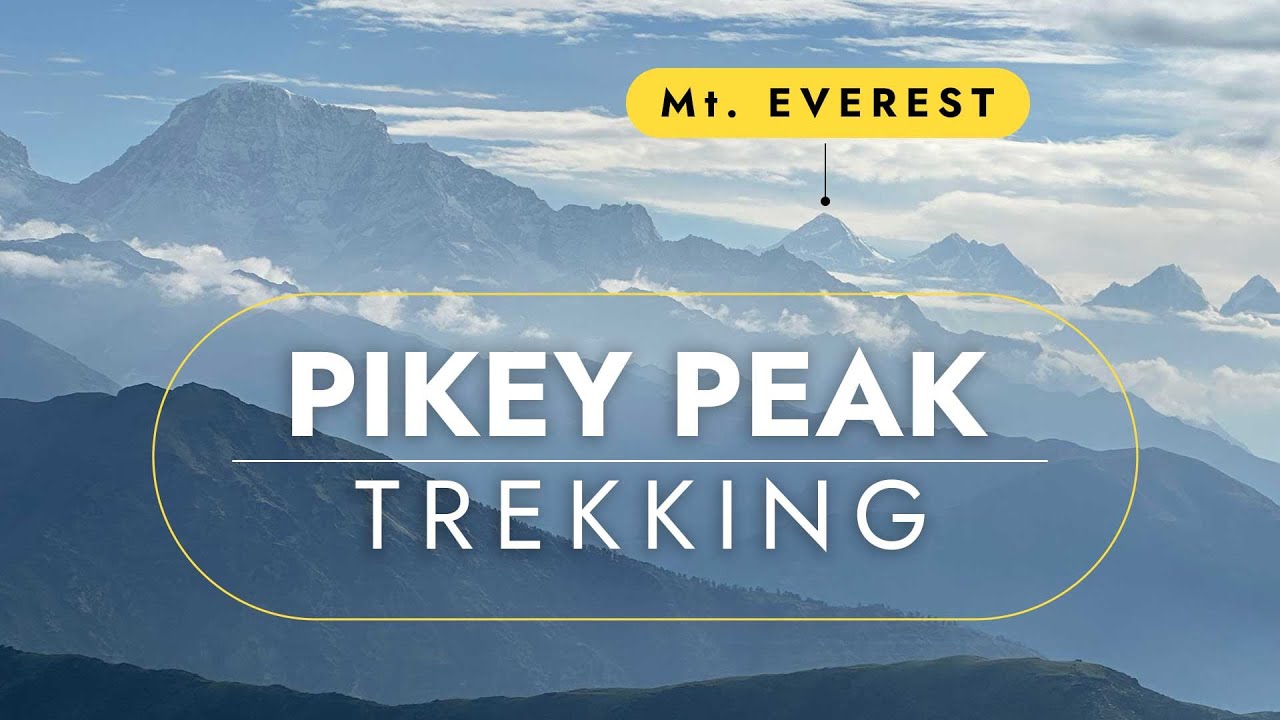
  • Enjoy spectacular panoramic Himalayan views from the summit of the trek, such as Mount Everest, Lhotse, Ama Dablam, Numbur Himal, Makalu, Kanchenjunga and surrounding high Himalaya.
  • Witness a spectacular sunrise (and sunset) from Pikey Peak summit.
  • Avoid the challenging flight to Lukla.
  •  

Pikey Peak Trek Overview

The Pikey Peak Trek in Nepal is one of those rare Himalayan journeys that feels both wonderfully remote and surprisingly accessible. Situated in the lower Everest region of Solukhumbu, this short but rewarding adventure gives you the kind of mountain views people usually expect only after flying to Lukla and trekking for days. 

At its highest point, Pikey Peak stands at 4,065 meters, which is a sweet spot for trekkers who want that big-mountain panorama without pushing into extreme altitude. And the name itself is special: “Pikey” comes from a local Sherpa clan deity, a protector spirit tied to the land and the sky, which makes the entire region feel sacred the moment you arrive. 

During this adventurous journey, you will walk through the villages, passing by mani-walls, fluttering prayer flags, peaceful monasteries, and the quiet rhythm of Sherpa daily life. Even though it’s a newly introduced and recently promoted trekking route, Pikey Peak has deep local roots. 

Villagers here have followed these trails for ages, long before tourism arrived. What’s new is how trekkers are finally discovering it as an off-the-beaten-path alternative to crowded Everest treks. Even Sir Edmund Hillary once said Pikey Peak offered one of the best views of Everest he had ever seen

During the Pikey Trek, scenery shifts as you move: rhododendron and pine forests, yak-pastures, alpine meadows, and winding trails that pass through quiet Sherpa villages like Dhap, Jhapre, and Junbesi. If you are trekking to Pikey Peak in spring, the rhododendrons turn the hills neon. In autumn, the air gets crisp and the visibility becomes insane. And no matter when you go, you will still have that iconic 360° sweep of the big mountains such as Everest, Lhotse, Makalu, Kanchenjunga, Ama Dablam, and Numbur Himal.

Along the way, you will also have an opportunity to visit spiritual gems like the Thupten Chholing Monastery, taste local yak-cheese, meet mountain families, and learn how traditional Sherpa life still thrives far from the mainstream tourist routes. And because the Pikey Peak trail is moderate, friendly, and ideal for beginners, families, solo trekkers, or anyone with limited time, it’s a super flexible trek that you can comfortably do in 9 to 10 days, or even shorter if you are experienced.

On top of it, this trek works in four seasons. Winter gets cold (and sometimes snowy), but the lower-elevation trail keeps it doable. Spring and autumn are perfect, and even the monsoon has its charm with blooming landscapes and local festivals connected to the Pikey deity.

All in all, the Pikey Peak Trek in Nepal is that perfect blend of massive Himalayan views, peaceful trails, Sherpa culture, and easy accessibility. It is a trek that gives you the heart of Everest without the crowds or the stress.

Why Is The Pikey Peak Trek In Nepal Unique?

Himalayan Panorama From The Pikey Peak Summit Viewpoint

Standing on the summit of Pikey Peak, you will instantly understand why people call it one of the finest lower-elevation viewpoints for Everest. This place feels like a natural 360-degree Himalayan theatre, with clouds drifting below your feet, the sky warming into soft peach, gold, and rose as dawn hits, and the entire skyline unfolding in layers. 

On a clear morning, you don’t just see Everest; you get a sweeping Himalayan arc stretching from Kanchenjunga in the far east all the way to the Manaslu and Annapurna ranges toward the western horizon. Some of the closer and sharper Himalayan views include Numbur Himal, Karyolung Peak, Gaurishankar, and even the distant Langtang region peaks glowing behind the ridgelines. 

Moving on, the route up to the Pikey Peak summit weaves through glowing rhododendron forests, carpets of seasonal wildflowers, and aromatic juniper. Along the way, you might spot a musk deer, Himalayan eagles, griffon vultures, colourful pheasants, and if you are extremely lucky, you may even get glimpses of the elusive red panda

All in all, autumn and spring bring the best clarity during this journey, with golden hour on Everest, prayer flags fluttering in the foreground, and entire ridgelines fading into blue silhouettes. 

Explore Thupten Choling Gompa In Junbesi

If your Pikey Peak Trek has been all about breathtaking Himalayan panoramas and village trails, a short detour to Thupten Choling Monastery in Junbesi is the perfect way to soak in some spiritual calm. Situated on a hillside at around 3,000 meters above sea level, the monastery is just a gentle hike from Junbesi village along a scenic forest trail, crossing a charming suspension bridge over the Junbesi Khola

This monastery was founded in the late 1960s by Trulshik Rinpoche, who fled Tibet during the Chinese invasion. Today, Thupten Choling has grown into one of the largest Buddhist monastic centres in the Solukhumbu region, which serves as both a spiritual refuge and a cultural hub for local Sherpa communities.

The moment you step onto the monastery grounds, you will be greeted by clusters of small huts for monks and nuns, prayer halls (gumbas), stupas, mani-walls, and spinning prayer wheels, all adorned with fluttering prayer flags. Inside the main hall, the walls are filled with vibrant murals and intricate Tibetan-style carvings. 

During the visit, you might also catch monks chanting, spinning wheels, or local devotees offering alms. Beyond the spiritual energy, the monastery’s surroundings are stunning with yak-grazing meadows, orchards with apples and kiwis, agricultural fields, and Sherpa villages tucked among the hills. 

It is the perfect spot to slow down after a few days of trekking. You will get to relax, recharge, and absorb the peaceful forested valley around you. If your timing is right, you might even witness a Buddhist ceremony or puja, complete with ritual chanting and prayer-wheel spinning.

Sherpa Cultural Experiences on the Pikey Danda Trek

One of the most rewarding parts of the Pikey Danda Trek is the chance to immerse yourself in authentic Sherpa culture. These indigenous Himalayan people, who primarily call Solukhumbu, Khumbu, and the surrounding Everest foothills home, are famous worldwide for their resilience, high-altitude skills, and legendary mountaineering support. 

As you trek through villages like Dhap, Jhapre, and Junbesi, you will pass stone and mud-brick homes with flat roofs, prayer flags fluttering in the wind, and small altars inside where families practice Tibetan Buddhism. When you encounter monks or village elders along the way, they may share legends, local history, or mountaineering tales. 

Depending on timing, you might also witness festivals like Mani Rimdu or Lhosar, observe prayer-wheel rituals, butter-lamp offerings, or local harvest celebrations. This trek offers you an opportunity to experience the spiritual and communal heartbeat of the region.

Pikey Peak Trek Difficulty And Fitness Requirements

If you have been eyeing the Pikey Peak Trek and wondering whether it’s within your reach, here is the good news: it is a moderate trek, which is perfect for anyone with a reasonable level of fitness and some prior hiking experience. Having said that, you will still be tackling steep ascents, occasional descents, and uneven terrain, but nothing like the high-altitude grind of Everest Base Camp or the Annapurna Circuit.

The trek climbs to a maximum altitude of 4,065 meters, which is comfortably below the extreme high-altitude treks, yet high enough that altitude sickness can be a concern if you don’t pace yourself or acclimatise properly. On average, you will spend 5 to 7 hours on your feet each day, navigating a mix of dirt roads, stone steps, forested trails, alpine ridges, and yak-pasture paths. Some sections can get rocky or slippery, especially during the monsoon or in winter.

Therefore, you must prepare with hiking practice, stair climbing, treadmill cardio, and even walks with a weighted backpack to build stamina. You must also keep an eye on your body for initial symptoms of altitude sickness as headaches, nausea, or dizziness.

All in all, this trek is surprisingly versatile. It is also beginner-friendly for those with prior hiking experience, great for solo trekkers, families, and fitness enthusiasts, and still offers a solid adventure with breathtaking Himalayan views. The only people Nepal Trekking Experts would suggest checking with a doctor are those with serious heart or respiratory conditions, just to be safe.

Physical Training & Acclimatisation Tips for Pikey Peak Base Camp Trekking Preparation

  • Start a cardio routine with running, brisk walking, cycling, or stair climbing to improve endurance for long trekking days.
  • Strengthen your legs and core muscles with lunges, squats, step-ups, and planks to handle steep ascents, descents, and uneven terrain.
  • Incorporate backpack training and practice hiking with a weighted pack to simulate trekking conditions and build stamina.
  • Include flexibility exercises and stretching, such as yoga or dynamic stretches.
  • Follow the “Golden Principle” of trekking: walk slowly, steadily, and maintain a consistent pace to conserve energy and reduce fatigue.
  • Plan rest days at moderate altitudes, ascend gradually, and avoid rapid climbs above 3,000 to 3,500 meters.
  • Stay hydrated throughout the trek.
  • Eat a balanced diet rich in carbohydrates and protein to fuel long trekking hours and maintain energy levels.
  • Learn to recognise early signs of altitude sickness: headache, nausea, dizziness, and fatigue; take immediate rest if symptoms appear.
  • Consider medication or consultation with a travel doctor for high-altitude prevention if prone to AMS.
  • Schedule gradual ascents and optional short side hikes to let your body adjust to increasing altitudes.
  • Use trekking poles during training hikes to reduce strain on knees and joints.

Required Permits For The Pikey Peak Trek In Nepal

The Pikey Peak Trek in Nepal is still a relatively untouched route, and as of now, no special trekking permits are required. Unlike the crowded Everest Base Camp or Annapurna Circuit, which require TIMS cards (Trekkers’ Information Management System) and national park permits, Pikey Peak remains a permit-free adventure, which is ideal for budget-conscious travellers seeking a less commercialised Himalayan experience.

Pikey Peak Trek Cost, Budget, & Inclusions

If you go for a standard package of Pikey Peak Trek in Nepal, a well‑organised 9 to 10-day (or similar) trip will cost you around USD 690. This package price includes tea house accommodation along the trek, all ground transportation (from Kathmandu to the trail start and back), an experienced local guide, and three meals a day while on the trail. Nepal Trekking Experts also offer you complementary airport pick‑up and final drop‑off, and welcome or farewell dinner in Kathmandu.

That said, extras like hiring a porter, opting for upgraded transport, tipping your guide (or porter), personal snacks or drinks, hot showers, device charging, and personal gear rentals are usually not included. Also, personal travel insurance, rescue/evacuation costs, and some personal expenses (like phone calls, bar bills, souvenirs) remain on you. 

Beyond that base‑cost structure, you will find the real cost depends on how “comfortable” you want the trek to be. If you go with basic tea‑houses, eat local meals, and skip extras, you can keep things budget-friendly. But if you prefer more comfort, quicker transport or extra services (porters, private jeep, better rooms), costs rise accordingly. 

Best Time for the Pikey Peak Trek in Nepal

If you ask me, the best time to go for the Pikey Peak Trek is during autumn (September to November) or spring (March to May). 

In autumn, the air clears up after the monsoon, giving you crisp, crystal‑sharp views of the Himalayas, perfect for that 360° mountain panorama from Pikey Peak. Spring is equally magical, with mild weather, blooming rhododendron forests, and vibrant greenery along the trail.

During these seasons, you will find stable weather, comfortable trekking temperatures, dry trails, and clear skies, which is ideal for both first‑time trekkers and seasoned hikers.

Why Is Spring The Best Time For The Pikey Peak Trek?

Spring really shines on the Pikey Peak Trek as the trail transforms from winter’s cold quiet into a full‑blown Himalayan spring party. The mountains stay dramatic, the weather warms up just enough for comfortable trekking, and nature bursts into colour. 

Below is the list of unique highlights of the Pikey Peak adventure in spring:

  • Spring brings sweeping blankets of blooming rhododendrons (red, pink, white) and other alpine wildflowers along the trails.
  • Daytime temperatures are pleasant (often between ~12 °C to 20 °C at lower altitudes on trek), which makes long walking days much easier.
  • You will also find stable weather with less haze or rain, which is perfect for catching Everest, Makalu, Kanchenjunga and neighboring peaks from the summit of Pikey Peak. 
  • As winter snows melt in March, trails open up, rocks dry out, and paths through rhododendron forests, alpine meadows, and yak pastures become much easier to walk. 
  • With the arrival of spring, wildlife becomes more active, flora becomes lush, and the entire landscape feels alive.
  • You will have more daylight for trekking, exploring villages or ridgelines, taking photos, and enjoying sunsets/sunrises.
  • Spring tends to have fewer trekkers than peak autumn season.

Why Does Autumn Offer the Best Visibility for Pikey Peak Hiking?

Autumn is the prime season for the Pikey Danda Trek. As the monsoon has passed, the air is fresh and clear, and the Himalayas suddenly pop out in sharp detail. If you want crisp mountain views, stable weather, and a vibe where everything feels “just right,” autumn is when Pikey Peak shows off at its best.

Below is the list of unique highlights of the Pikey Peak adventure in autumn:

  • Post‑monsoon skies bring reduced haze and dust, meaning on a clear day from Pikey Peak, you can see distant Himalayan giants with unbelievable clarity. 
  • Daytime temperatures in the lower and mid‑hills hover around 12 to 20 °C with cool but manageable nights. 
  • The weather tends to stay dry, giving stable trekking conditions.
  • Rocky paths, ridgelines and forest tracks become easier to navigate with fewer slips and better footing. 
  • Expect stunning sunrise and sunset over the mountains, with sharp snow‑capped peaks against blue skies
  • Forests, meadows and villages look vivid after the rains. 
  • Autumn overlaps with Nepal’s major festivals and the rural harvest season.
  • Trails are active but not overcrowded, as other commercialised routes.

Pikey Peak Trek in Winter

Winter is the off‑season for many treks, as the air turns sharp, the hills sometimes quiet, and the landscape gets a dramatic makeover under snow and frost. It will bring you cold days, snow‑covered trails, limited services, and a need for solid preparation. 

Pros:

  • With cold, dry air and less humidity, winter often delivers some of the clearest Himalayan panoramas. On a good day, views of Everest, Makalu, Kanchenjunga and surrounding peaks from Pikey Peak are razor‑sharp. 
  • Snow drapes the ridges, forests, and valleys, transforming rhododendron woods, ridgelines, and prayer‑flag‑lined paths into a serene, snowy scene.
  • Trails are quiet, lodges are less crowded (or empty), giving you a rare, contemplative trekking experience. 
  • Winter’s cold air often reduces haze, pollutants, and moisture.

Cons:

  • Especially near Pikey Base Camp / summit areas, temperatures can plunge (nights can drop to -10 °C or lower), which demands serious cold‑weather gear (insulated jackets, sleeping bags, winter boots, etc.).
  • Higher elevations may have fresh snow or icy patches, making trekking more difficult and potentially risky.
  • With fewer daylight hours and early sunsets, daily trekking time is reduced.
  • Snowstorms or sudden weather shifts can impact visibility, trail access, or safety. 

Off-Season Pikey Peak Trekking in Monsoon

During monsoon season, the air turns heavy with rain, and the landscape gets a wild green makeover. This season brings rain‑soaked trails and unpredictable weather.

Pros:

  • Monsoon rains bring out rich, vibrant greenery, dense forest foliage, mossy stones, and fresh waterfalls.
  • You often get trails, lodges, and viewpoints almost to yourself. 
  • The mix of rain, mist, cloud‑wrapped valleys, and lush forests gives a mystical, almost magical vibe.
  • Sometimes, in off‑season times, local lodges or agencies may offer lower prices (or better deals) due to fewer guests. 

Cons:

  • Heavy rainfall can make forest paths, ridgelines and dirt tracks muddy, slick, and sometimes dangerous. 
  • Risk of landslides or trail blockage increases during the monsoon. 
  • Frequent rain and clouds often obscure mountain vistas. 
  • Moist, rainy forests get busy with leeches, mosquitoes and bugs. 
  • With afternoon showers, sudden downpours, and fog, the weather can change fast. 
  • Some remote tea houses or lodges may close or reduce services in heavy rain periods.

Booking And Payment With Nepal Trekking Experts

To book your trek with us, you have to send a deposit of 10% of the total cost of the trek. Please also forward a copy of your passport, a passport-sized photo, and full flight details if and when available. For your convenience, you may also forward the deposit to us online through our website. It is completely safe, and as soon as you make it, you will get an automatic receipt in your inbox. The rest of the payment can be paid upon arrival.

If you have any questions, do not hesitate to contact us anytime. We are always ready to assist.

Useful Information

Kathmandu to Dhap Transportation Options for Pikey Peak Adventure

Getting from Kathmandu to Dhap Bazaar, the starting point for the Pikey Peak Trek, you will hop on a shared jeep or a local bus early in the morning. This particular drive takes roughly 8 to 10 hours, depending on traffic and road conditions. During this drive, you will pass through some winding mountain roads, scenic valleys, and plenty of photo stops along the way.

Shared jeeps here are the classic choice and super budget-friendly, usually costing around USD 15 to 20 per person, though fares can creep up to USD 25 to 35, depending on the season and vehicle type. Local or tourist buses offer a similar travel time, but for those looking for more comfort, a private 4×4 jeep is a game-changer. It costs you around USD 150 to 200 per vehicle per leg.

At the end of the trek, the return trip from Phaplu or Salleri back to Kathmandu follows the same route, with the same options: shared jeep, local bus, or private jeep. If you book your Pikey Peak Trek package with Nepal Trekking Experts, transportation both ways is typically included, along with airport pickup and drop-off, so you don’t have to worry about logistics.

Hiring a Guide And Porter For The Pikey Peak Hiking In Nepal

If you are gearing up for the Pikey Peak Trek, hiring a guide and porter can genuinely transform your experience. A local guide knows every twist and turn of the trail, understands weather patterns, can spot avalanche or landslide risks, and is trained in first aid and emergency rescue. Basically, they are your safety net and cultural translator rolled into one.

A porter, on the other hand, carries the heavy stuff, your sleeping bag, extra clothes, and trekking gear, so you can stroll with a lighter daypack, save your knees and back, and keep a steady pace. This way, you can enjoy the trek fully without feeling like you are hauling your life up the mountains.

Most reputable porters are physically fit, trained in proper load-carrying, and are ethically employed with fair wages and insurance. Weight limits are usually around 20 kg, so don’t overpack your essentials.

When it comes to costs, a licensed guide typically charges around USD 35 per day and a porter about USD 25 per day. Hire both, and you are looking at roughly USD 60 per day, all-inclusive of meals, accommodation, and insurance when you book through a trusted agency like Nepal Trekking Experts. And yes, tipping is customary at the end, and you can tip about 10 to 15% of their total wages or more if they have made your trek extra special.

Tea House Accommodation During The Pikey Peak Trek Route

If you are trekking the Pikey Peak route, staying in tea houses is part of the authentic Himalayan experience. Along the trail, from Dhap to Jhapre, Pikey Base Camp, and Junbesi, the lodges are simple stone or wooden structures, usually one or two floors high, with limited facilities compared to busier hubs like Namche Bazaar. You will find shared or private rooms, depending on the lodge, with basic beds and mattresses.

Here, Nepal Trekking Experts will also provide you a top-quality -20°C sleeping bag to keep you cozy, even if the rooms themselves aren’t heated. In tea houses, most warmth comes from small wood-burning stoves in common areas, which is also a perfect spot to relax and chat with fellow trekkers at the end of the day. 

As for the bathrooms, they are usually shared. You will often find squat-style toilets, and only a few lodges may offer western-style options. Now, if you are booking through NTE, your tea house stays are pre-arranged, and you get the added bonus of connecting with local Sherpa hospitality every evening. 

Meals, Drinking Water, and Food Services on Pikey Peak Trek

When you are trekking the Pikey Peak route, the food experience is surprisingly satisfying for a lesser-known trail in the Khumbu region. Tea houses along the way serve a mix of local flavours and familiar dishes, and meals are usually enjoyed in the common dining halls. The food quality is solid, freshly prepared and hearty enough to fuel your 5 to 7-hour trekking days.

Breakfast is flexible with options such as local chapati or Tibetan bread with curry, eggs, porridge, muesli, or pancakes if you like a more familiar start. Lunch and dinner highlight traditional Nepali staples like Dal Bhat (rice, vegetable curry, lentil soup) with unlimited refills, alongside Tibetan favourites like Thukpa (noodle soup), Thenthuk (hand-pulled noodles), and momo. You will also find fried rice, noodles, potatoes, spring rolls, and pasta, with tea or coffee served alongside.

Now, if you have dietary restrictions, such as gluten-free, allergies, or anything else, your guide can relay your needs to the kitchen staff ahead of time. Lastly, you can also purchase snacks, desserts, or special drinks along the trail.

Drinking Water Availability on the Pikey Peak Trail

When it comes to staying hydrated on the Pikey Peak Trek, most tea houses along the trail provide boiled or filtered water, usually for a small fee. Similarly, you will also get bottled water at most tea houses, so you will have plenty of options. 

However, if you are planning to get water from natural sources, you must skip the untreated water entirely. For that, NTE highly recommends bringing your own reusable water bottle and packing water purification tablets to treat the water before drinking.

Electricity, Hot Showers, and Charging on the Pikey Peak Trek

Hot Shower Availability

Most tea houses along the route offer basic bucket-style showers. Hot water is usually available, though it comes at a small fee (paid in NPR), and availability tends to be more reliable in lower-altitude lodges. At higher stops like Pikey Base Camp, the hot water might be a bit more limited. 

Pro tip: pack a quick-dry towel and biodegradable soap.

Mobile Charging Options

Most tea houses offer electricity, either via a local grid or solar panels. Some lodges even have in-room charging, but in many cases, you will need to head to the main dining hall and pay a small fee to juice up your devices. Therefore, a good power bank is a lifesaver, especially on longer trekking days or at higher altitudes where electricity might be intermittent. You should also carry USB cables and a universal adapter to make sure all your gadgets stay connected.

Wi-Fi, and Mobile Coverage on Pikey Peak Trek

Mobile Network Coverage

On the Pikey Peak Trek, most tea houses do have basic mobile reception, but the signal is unpredictable due to the rugged Himalayan terrain. If you want the best chance of staying online, a Nepal Telecom SIM card is the best, as it tends to provide more reliable coverage along the trail. Just keep in mind that mobile data may not be strong enough for streaming or large downloads.

Wi-Fi Availability

Here, some tea houses offer Wi-Fi for a small fee, usually around USD 3 per day, paid in Nepali rupees. Keep in mind, though, that internet reliability can be a bit hit-or-miss; weather, altitude, and the remote location often affect connectivity. It is perfect for light browsing, messaging friends, or sending photos home.

Pikey Hill Trekking Gear Checklist:

Clothing:

  • Moisture-wicking thermal tops and bottoms 
  • Fleece or down jacket for warmth
  • Waterproof and windproof jacket and pants
  • Lightweight, quick-drying t-shirts
  • Comfortable, durable trekking pants 
  • Insulated hat and waterproof gloves
  • Sun hat and scarf

Footwear:

  • Wool or synthetic socks 
  • Well-broken-in waterproof boots with good ankle support
  • Lightweight shoes or sandals

Other Equipment:

  • Daypack (25 to 30 liters)
  • Sleeping bag (Rated for -10°C to -15°C)
  • Rain cover
  • Adjustable, lightweight trekking poles
  • Sunglasses
  • Reusable water bottles with water purification tablets or filter
  • Toiletries (Toothbrush, toothpaste, biodegradable soap, and wet wipes)
  • Lightweight, quick-drying towel
  • First aid kit (including pain relievers, blister treatment, and any personal prescriptions)
  • Snacks (chocolate bars, dried fruits, and nuts)
  • Headlamp with extra batteries
  • Power bank and adapters

Nepal Visa Information for Pikey Peak Trekkers

If you are planning your Pikey Peak Trek, getting your Nepal visa sorted is one of the first things to tick off your list. You can conveniently obtain it on arrival at Tribhuvan International Airport in Kathmandu, or apply in advance at a Nepalese Embassy or Consulate in your home country. 

The visa fees can usually be paid in cash, so you can bring Nepali rupees or USD, though most counters now also accept credit cards. Visas come in durations of 15, 30, or 90 days, depending on your trekking plan, and remember your passport should have at least six months of validity remaining. If your adventure extends, visa extensions are easily handled at Nepal Immigration offices in Kathmandu or Pokhara.

Why Travel Insurance Is Essential For The Pikey Peak Trekking?

Even though the Pikey Peak Trek is considered a moderate adventure, trekking up to 4,065 meters in the remote Solukhumbu foothills still carries real risks. A comprehensive trekking insurance plan should explicitly cover high-altitude trekking, emergency evacuation (including helicopter rescues), medical treatment, and trip interruptions or lost luggage. 

Altitude sickness can also strike even on moderate treks, and medical facilities in the region are limited, so evacuation or hospital treatment can be costly without coverage. Also, policies generally exclude high-altitude trekking or emergency rescue, so you must double-check your plan and ensure that it includes coverage for altitudes above 4,000 meters, emergency helicopter evacuation, and medical expenses. 

Additionally, trekking in Nepal comes with unpredictable mountain weather, landslides, or sudden delays, making trip cancellation or interruption coverage valuable. Lastly, you must always carry a printed and digital copy of your insurance policy, along with emergency contact numbers, so you are prepared if an incident occurs. Even if nothing goes wrong, having insurance provides peace of mind, knowing that you, your health, and your wallet are protected.

Nepal Currency And ATMs For Pikey Peak Base Camp Trek

When trekking to Pikey Peak Base Camp, it is good to get familiar with Nepal’s currency, the Nepalese Rupee (NPR). For exchanging cash, US dollars, Australian dollars, British pounds, Canadian dollars, Singapore dollars, and Euros are widely accepted and can easily be converted in Kathmandu or Pokhara. 

While major hotels, restaurants, airlines, and larger stores accept credit and debit cards like Visa, MasterCard, and American Express, you should expect a typical surcharge of around 3.5% on your transactions. 

Now, ATMs are common in cities, with daily withdrawal limits ranging from NPR 10,000 to 35,000, often with a small fee of about USD 4 per transaction. But once you hit the Pikey Peak trail, ATMs vanish. Cash becomes your lifeline, so make sure to withdraw enough before leaving town and carry small denominations for tea houses, tips, and local purchases along the route.

Why Book The Pikey Peak Trek With Nepal Trekking Experts?

Booking your Pikey Peak Trek with Nepal Trekking Experts means trekking with a team that truly lives and breathes the Himalayas. With over a decade of hands-on experience across Nepal’s trekking routes, including the Everest region, our guides and porters are local experts who know every trail, village, and hidden viewpoint like the back of their hand. 

All our staff are government-certified by TAAN, the Nepal Tourism Board, and the Nepal Mountaineering Association, and professionally trained in high-altitude safety, first aid, and emergency response. We maintain strong relationships with tea houses, ensuring clean, comfortable stays even in remote corners, and our itineraries are thoughtfully designed with proper pacing, acclimatisation, and buffer days for a smooth trek. 

NTE also provides free rentals of essentials like sleeping bags, trekking poles, and down jackets, so you don’t have to stress about gear. Whether you prefer a private or group tour, our team is friendly, responsive, and dedicated to making your Pikey Peak adventure safe, memorable, and hassle-free.

Pikey Peak Trek Itinerary
  • Overnight Altitude:1400m/4593ft.
  • Accommodation:3 star hotel

Welcome to the airport and transfer to the hotel.

  • Overnight Altitude:1400m/4593ft.
  • Meals:Breakfast
  • Accommodation:3 star hotel

Free day at your leisure. We find that a buffer day allows for flight delays, unforeseen issues in reaching Kathmandu, and extra time to pick up necessary gear.

  • Overnight Altitude:2850m
  • Meals:Breakfast, Lunch and Dinner
  • Accommodation:Tea house

Early morning departure from Kathmandu with a drive down the newly opened B. P. Highway to Ghurmi in the Koshi River basin. From Ghurmi, the road leads to the higher elevation passing through the Rhododendron forest to Dhap Bazaar. Spend the night in a guest house and explore the town.

  • Overnight Altitude:2815m/9236ft.
  • Meals:Breakfast, Lunch and Dinner
  • Accommodation:Tea house

Your trek begins on a dirt road passing through the village of Sigane. You’ll already spot scenic views of Mt. Everest and Numbur Himal through the rhododendron foliage. Tour Jhapre village and visit the local monastery. Overnight in lodge accommodations.

  • Overnight Altitude:3640m/11942ft.
  • Meals:Breakfast, Lunch and Dinner
  • Accommodation:Tea house

Start your day’s trek with a bracing view of the Himalayas. The trail climbs through the Rhododendron forest and opens out into a Yak pasture. Cross the long Mane wall to reach Pikey peak base camp. A visit to a yak cheese factory rounds out this interesting day.

  • Overnight Altitude:2680m/8793ft.
  • Meals:Breakfast, Lunch and Dinner
  • Accommodation:Tea house

Today’s high point is, you guessed it, the high point of the trek. Climb along the rocky ridge to Pikey Peak. You’ll enjoy unfettered views of Dhaulagiri, Kanchanjunga, Mt. Everest, Lhotse, Ama Dablam, Thamsherku, Numbur Himal, Kangtega, and many more stunning vistas. Begin your descent to Lamjura pass then to Junbesi. Highlights include the alpine landscape, Himalayan views and Buddhist landmarks of Mane walls and Stupas. Take time in the end to visit the local monastery at Junbesi.

  • Overnight Altitude:2920m/9580ft.
  • Meals:Breakfast, Lunch and Dinner
  • Accommodation:Tea house

Enjoy pristine Sherpaland and take a side-trip hike to Thupten Chholing Gompa. The trail ascends following the Junbesi River.

  • Overnight Altitude:2380m/7808ft.
  • Meals:Breakfast, Lunch and Dinner
  • Accommodation:Tea house

The trail winds down the Junbesi River and crosses the suspension bridge to the town of Phaplu at the confluence.

  • Overnight Altitude:1400m/4593ft.
  • Meals:Breakfast and Lunch
  • Accommodation:3 Star Hotel

Take ground transportation back to Kathmandu. Check-in at your hotel and relax. Alternatively, a 35-minute flight back to Kathmandu is a scenic thrill. Enjoy the aerial view of the snowy peaks and reflect on your amazing adventure.

  • Meals:Breakfast

Farewell.

Got a question about this tour?

Or looking for customize trip, reach out to our travel experts.

Customize Trip

Note

The above itinerary is a guideline. If you're not satisfied or have an alternative plan please feel free to discuss it with us.

What's Included
Cost Includes
  • Complimentary airport pick up and drop off
  • Complimentary welcome dinner
  • Three-night stay in Kathmandu with breakfast included.
  • All necessary trekking permits for Sagarmatha National Park, TIMS card, etc.
  • All accommodations during the trek
  • Three meals a day during the trek
  • A cup of tea or coffee with the meal
  • Fresh fruit each day if and when available
  • Complimentary duffel bag, trekking map, down jacket, sleeping bag, etc., if needed.
  • Kathmandu to Dhap and Phaplu to Kathmandu by a shared local Jeep
  • Government-registered and first-aid-trained professional local guide who speaks English
  • First-aid kit
  • Staff insurance, meals, accommodation, equipment, transportation, etc.
  • Rescue arrangements if necessary
  • Agency service charge and government tax/VAT
  • Certificate of achievement if needed
Cost Excludes
  • International airfare and  Nepal visa fee
  • Lunch and Dinner in Kathmandu 
  • Porters to carry your backpacks (we provide porters on request)
  • Personal Insurance, personal expenses, loss of property and theft, etc.
  • Sightseeing costs in the city. (temples, monasteries, etc)
  • All beverages, snacks, and additional expenses such as laundry, hot showers, battery charging, Wifi, etc.
  • Tip to staff.
Route MapDownload Map
Pikey Peak Trek map
Dates & Availability

Note

Are you satisfied with the group departure dates? Aside from that, we organize private trips or any special dates you prefer. Let's talk to our local specialist now.

Photos & Videos
Pikey Peak Trek Video
FAQs for Pikey Peak Trek
  • The height of Pikey Peak is 4065 meters (13336 feet).

  • The trek to Pikey Peak is a moderately difficult trek. This trek is perfect for novice trekkers, families, and friends of all ages.

  • The Pikey Peak Base Camp is 3640 meters (11942 feet) high.

  • You can see Mt. Everest, Lhotse, Makalu, Kanchenjunga, Ama Dablam, and many more stunning vistas.

  • The best season for Pikey Peak is September to December and March to May.

  • Short Pikey Peak Adventure costs around 500 USD to 1000 USD depending on service, trekking itinerary, and group size.

  • You do not need trekking permits for Pikey Hill Sunrise Trek so far.

  • You need around 5 to 10 days depending on your holidays, fitness, and interest.

  • You can drive by a local jeep or a private car/jeep to Dhap Bazaar and trek from there.

  • Yes, you can stay in a tea house during the Pikey Peak trek.

  • Yes, you can trek solo on the Pikey Peak.

You may also like
Related Packages
2Travelers' Reviews
  • logo
    rating star

    Excellent Trekking Company in Nepal

    Our trek started at Dhap and took us to Pangboche (and for some of us to Ama Dablam base camp). There were many great experiences and, from the outset, great views along the way. The often clear skies meant that we had some great views of the mountains - from Pikey Peak we could see all the way from Dhalagiri in the west to Kachenjunga in the east.Nepal Trekking Experts did a great job of looking after our small group. Raj was a great first contact being very responsive to our questions and gave great advice as to the trip itinery and route. Ram, our guide, did an excellent job of looking after us on the trek and was great company along the way, and was great at giving good advice, and answering our many questions. Along the way we also got to know our porters Ganesh, Buddha and Rajish - they did a great job always smiling, and there to greet us along the way and when we arrived at our overnight accomodation each day.I would highly recommend Nepal Trekking Experts as an excellent and reliable trekking company.

    S
    Stephen BirdDec 16, 2024United Kingdom
  • TripAdvisor
    rating star

    Lifetime experience!

    We were desperate to see the world's tallest mountain Everest and also looking for a less explored and less crowded trekking route in Nepal. Fortunately we found Nepal Trekking experts recommended by our close friends and booked the Pikey Peak trek without any hesitation. And of course it turned to the perfect decision. The agency owner Rajesh and his team were brilliant from the beginning of our arrival to the end of the trip. We have travelled to many countries in the world and ever had such an experience so far. The greenery, landscape, Tibetan culture and stunning Himalaya surroundings(Everest) were just fantastic. For sure you will never ever regret taking their service for your upcoming holidays which I can not recommend highly enough. We will definitely book our next trip with you guys soon!

    S
    SandraSep 28, 2020Germany
Call us on WhatsApp+977 9841917136OrChat with us
Consult with a Travel Expert

Do you have any questions about the trips? Contact our travel experts in various countries.

Plan Your TripJoin Our Newsletter