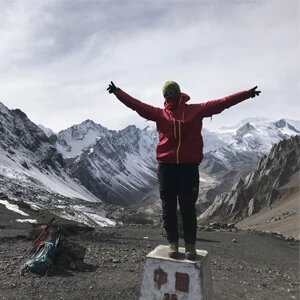
Short Everest Base Camp Trek

Collect a lifetime experienceratingbased on 2 reviews
  • Duration10 Days
  • Difficulty Level Strenuous
  • Activity Trekking/Hiking
  • Max. Altitude 5550 meters/ 18209 feet.
  • Starts Lukla
  • Ends Lukla
  • Group Size 2-12
  • Best Season March to May & September to December
Group Discount Prices
  
1 paxUS$2090
2 - 3 paxUS$1790
4 - 7 paxUS$1690
8 - 12 paxUS$1590
Short Everest Base Camp Trek Highlights
  • Trek through Sagarmatha National Park, a UNESCO World Heritage Site.
  • Traverse a variety of landscapes, from lush rhododendron and pine forests, deep rivers and suspension bridges, up to barren high-altitude terrain and glacial valleys.
  • Experience authentic Sherpa culture and Tibetan-Buddhist traditions. Walk past monasteries, prayer flags, mani walls, and visit villages like Namche Bazaar.
  • Walk to Everest Base Camp and gaze at the mighty Khumbu Glacier.
  • Visit Kala Patthar for unmatched panoramic Himalayan scenery. Enjoy a stunning sunrise or sunset from here with sweeping views of Mount Everest, Lhotse, Nuptse, Ama Dablam, and many more giants.
  • Enjoy a helicopter return (or scenic mountain flight) to Lukla, capping off your Short Everest region adventure with a memorable aerial view of the mountains.

Overview Of The Short Everest Base Camp Trek

The Short Everest Base Camp Trek is basically the fast-track version of Nepal’s legendary EBC adventure, which is perfect if you want the full high-altitude Himalayan experience without committing two full weeks. You still get the same magic: the Khumbu region, the Sagarmatha National Park (a UNESCO World Heritage Site), the roaring rivers, the towering peaks, and that surreal feeling of being deep inside Sherpa country. 

What makes this region endlessly fascinating is that the Everest Base Camp trail wasn’t originally built for trekkers at all. It started as a mountaineering access route for expeditions attempting to climb Mount Everest at 8,848 meters. Over the years, those rugged expedition paths evolved into one of the world’s most iconic trekking trails.

Your journey typically kicks off with a scenic flight to Lukla, or Ramechhap in peak season, and from there it is a beautiful climb through the Khumbu Valley. The trail winds through classic Sherpa villages like Phakding, Namche Bazaar, Tengboche, Dingboche, and Lobuche, before you eventually reach Gorak Shep and Everest Base Camp itself. 

Each stop feels like stepping deeper into living Himalayan culture, with Tibetan-Buddhist monasteries, prayer flags, yak caravans, and the warm hospitality that the Sherpa community is so loved for. During this journey, you will indeed be breathing thinner air as Gorak Shep sits around 5,164 meters and EBC at 5,364 meters.

Of course, the highlight many trekkers secretly look forward to is Kala Patthar. It is the best viewpoint in the Everest region, and the sunrise from up there is one of the memorable moments. You will get panoramic views of Everest, Lhotse, Nuptse, Ama Dablam, and the entire Mahalangur range

Along the way, the trail shows off everything from pristine rhododendron forests and high-alpine meadows to dramatic glacial landscapes, including the famous Khumbu Glacier

This express EBC trek is designed for travelers who are short on time but big on ambition. You get the culture, the altitude, the mountain drama, and the full Everest Base Camp experience, just without the long days of the classic route.

If you are looking for an even lighter Everest adventure, theEverest View Trekoffers stunning Himalayan panoramas, rich Sherpa culture, and spectacular viewpoints, all without the need for high-altitude trekking.

Why Choose The Short Everest Base Camp Trek In Nepal?

Experience Everest Highlights Without Long Trekking Days

One of the best things about the Short Everest Base Camp Trek is that you still get all the moments of the Everest region, such as Everest Base Camp, Kala Patthar, the Khumbu Glacier, and Sagarmatha National Park. It is basically the same legendary trail, just redesigned to fit modern travellers who want the full Himalayan experience but don’t have two weeks to spare. 

You will still stroll through classic Sherpa villages, pass ancient Buddhist monasteries draped in prayer flags, and wander through high-altitude landscapes. The itinerary is crafted to give you all the good parts, especially with the helicopter return from Gorak Shep, which replaces several long downhill days with a breathtaking flight over the Mahalangur Himalayas

This is exactly why the short EBC journey works so well for travellers with limited vacation time and beginners who want the Everest Base Camp experience without pushing their limits too far. Now, even with the quick pace, you will stay in cozy tea houses, enjoy warm meals, and experience the same Sherpa hospitality that makes trekking in the Khumbu region so special.

Unique Experiences With Helicopter Return And Scenic Mountain Flights

The helicopter return is honestly what makes the Short Everest Base Camp Trek feel like a once-in-a-lifetime experience rather than just a shorter version of the classic route. Instead of slogging through three or four days of the same downhill trail back toward Lukla, you lift off from the tiny helipad at Gorak Shep

It is fast, safe, and hands-down the most rewarding way to descend from high altitude, perfect if you want the full Everest Base Camp experience without the extended commitment. The moment the helicopter rises, you will get panoramic views of giants like Everest, Lhotse, Nuptse, Ama Dablam, and Pumori

You will literally fly above the Khumbu Glacier, skim past the Icefall, and see the ridges around Gorak Shep and the Mahalangur Himalaya from angles you could never capture on foot. In just 10 to 15 minutes, you get 360-degree views of snow peaks soaring over 6,000 meters. 

And if you prefer the traditional route, you can still trek back or catch a regular flight from Lukla, but the helicopter return truly elevates this Everest Base Camp Express Trek from “short trip” to “bucket list achievement” in the most unforgettable way.

Stunning Himalayan Views Along the Trail

From day one, you will be surrounded by giants, such as Mount Everest, Lhotse, Nuptse, Ama Dablam, Thamserku, Kangtega, Taboche, Pumori, and even the sharper ridges around the glacial zones. The Himalayas here practically walk beside you.

Your first real “wow” moment usually happens in Namche Bazaar. You will get your first glimpse of Everest peeking over its neighbors. By the time you reach Tengboche Monastery, the views become almost spiritual. Ama Dablam stands right in front of you, while Lhotse and Nuptse glow behind it. During sunrise or sunset here, the peaks turn gold, pink, sometimes even deep orange, as if someone painted the sky just for you.

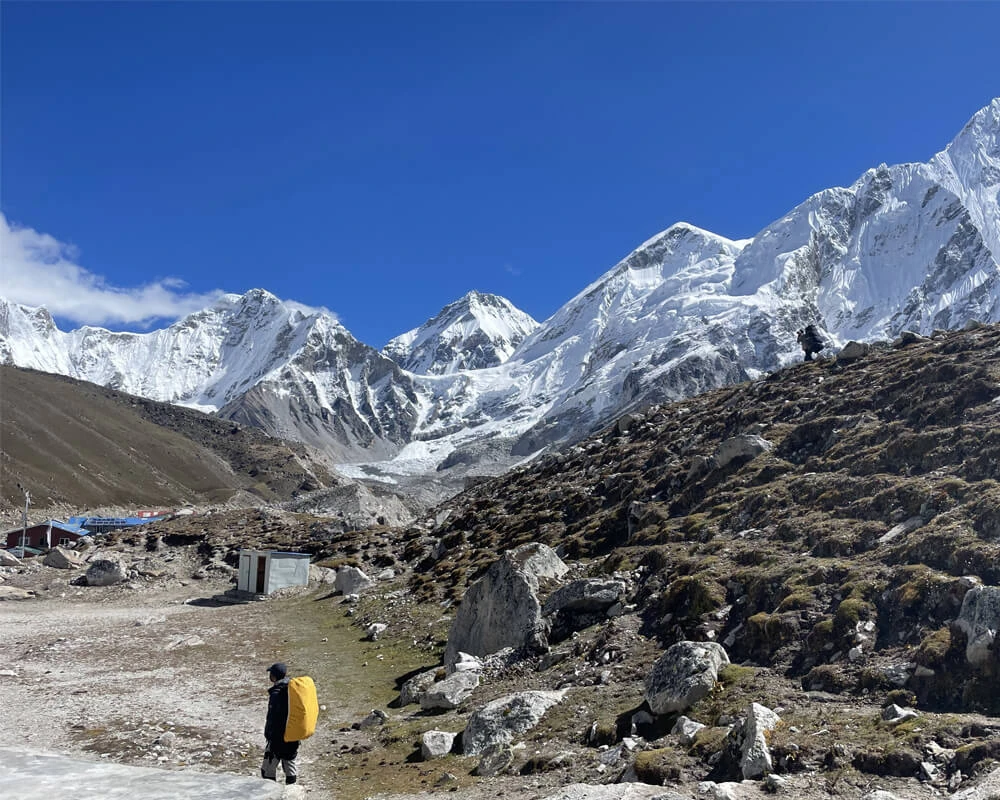
Moving toward Dingboche, the landscape opens wide. The altitude kicks in, but so does the drama as Ama Dablam follows you like a guardian, Island Peak rises gracefully, and glacial valleys stretch endlessly. As you approach Lobuche, the scenery shifts into a raw, high-alpine world. You will see jagged ridges, creaking glaciers, and massive faces like Nuptse and Pumori.

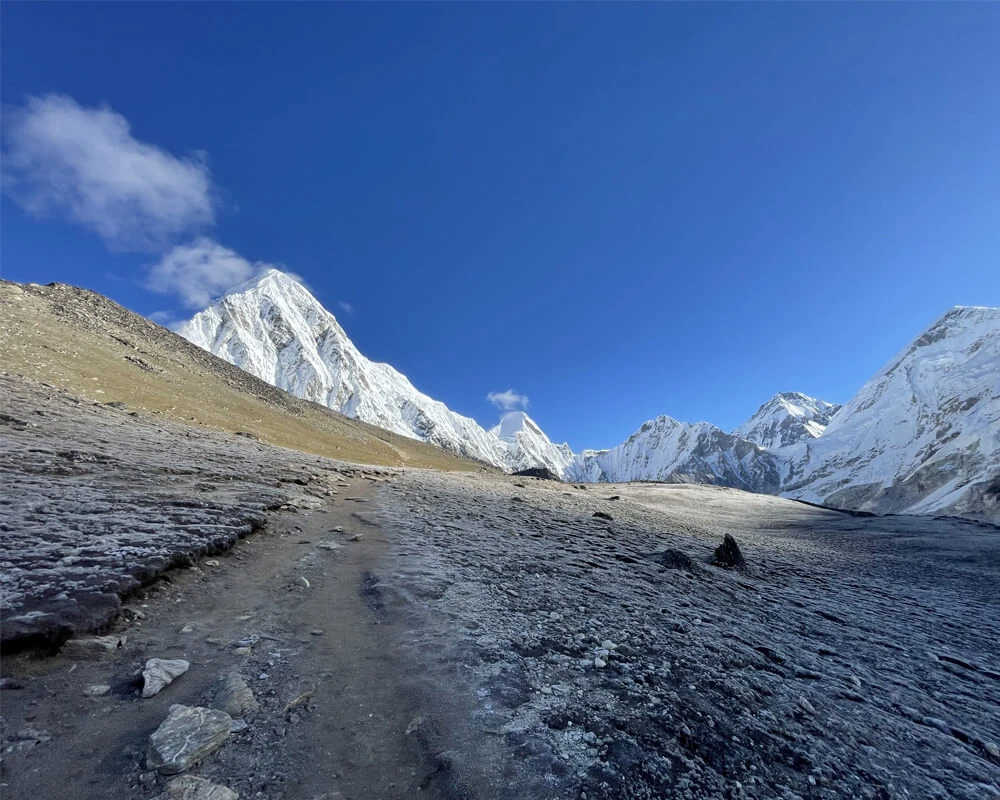
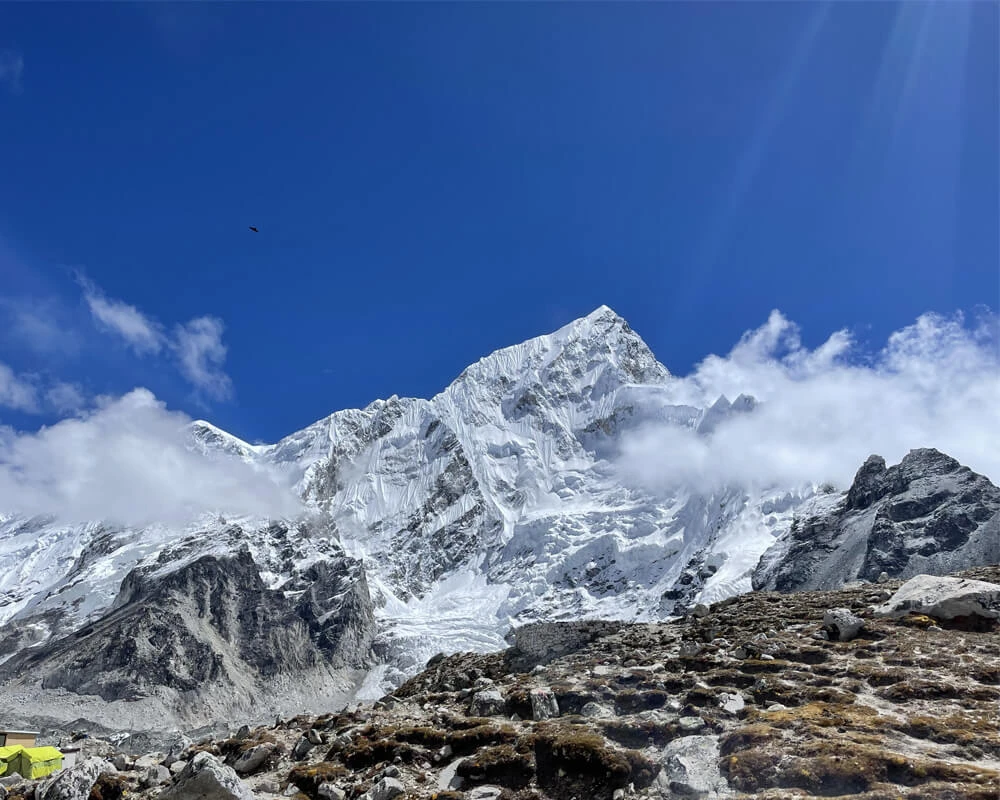
And then comes the finale: Gorak Shep and the climb to Kala Patthar (5,545 meters). Here, you will finally stand eye-level with the Mahalangur Himalaya. From here, you get the closest and most complete panorama of Everest, Lhotse, Nuptse, Pumori, the Khumbu Glacier, and a sweep of 6,000+ meter peaks stretching across the horizon. Sunrise and sunset from Kala Patthar feel surreal.

Local Sherpa Cultural Experience

One of the most unforgettable parts of the Short Everest Base Camp Trek is the people you meet along the way. The Sherpas, native to the Khumbu region, are world-famous for their unmatched high-altitude mountaineering skills, guiding climbers up Everest and other 8,000-meter giants. 

They migrated from eastern Tibet over 500 years ago, bringing rich Tibetan cultural roots, and historically served as traders and pass navigators long before trekking became a thing. Their legacy exploded globally after Tenzing Norgay Sherpa’s historic 1953 Everest summit with Sir Edmund Hillary.

As you trek through villages like Namche Bazaar,Khumjung, Tengboche, Pangboche, and Dingboche, you will notice their unique lifestyle centered on agriculture, yak herding, trade, and tourism. Here, the traditional stone houses, mani walls, and carved prayer wheels give each village a spiritual charm. 

As for religion, it is woven into daily life as Tibetan Buddhism thrives here, with monasteries like Tengboche, Pangboche, and Khumjung offering glimpses of pujas, Lama blessings, incense rituals, and monastic chanting. If you time your Everest journey right, you might even witness festivals like Lhosar (Tibetan New Year), Mani Rimdu at Tengboche Monastery, or the Dumje Festival.

Permits And Documentation For 10 Days EBC Trek

Before you lace up your boots for the Short Everest Base Camp Trek, there is one thing you absolutely cannot skip: permits. While trekking in Nepal, especially in the Khumbu region, you need official permission to enter and explore protected areas. 

For the 10-day Everest Base Camp Trek, you will need two main permits:

  • Khumbu Pasang Lhamu Rural Municipality Entrance Permit: It costs you NRs 3,000 per person. This lets you access the villages and trails in the local Khumbu region.
  • Sagarmatha National Park Entry Permit: It costs you NRs 3,000 per person. This is mandatory for trekking within the national park and helps protect the unique Himalayan ecosystem.

With Nepal Trekking Experts, these permits are conveniently included in your package, so you don’t have to worry about the paperwork. If you were arranging it yourself, the Khumbu Pasang Lhamu permit is obtained in Lukla when you arrive, and the Sagarmatha National Park permit is also issued there. Both Everest permits require a valid ID or passport.

Cost And Inclusions Of The Short EBC Trek

Planning your Short Everest Base Camp Trek in Nepal is as much about the adventure as it is about budgeting smartly. For 2026/2027, the standard package comes in at USD 2,090 per person

This particular price covers: comfortable tea house accommodation along the trail, all meals, a licensed professional guide, the scenic flight to Lukla, and the helicopter return from Gorak Shep, plus all the required permits. Basically, everything you need for a smooth and unforgettable trek is wrapped into one neat package.

Of course, there are a few extras to keep in mind, such as tips for guides and porters, any optional porter hire, and personal expenses. It is smart to carry an additional USD 200 to 300 for emergencies, extra nights, medical needs, or little shopping sprees in the charming Khumbu villages. 

One tip from experience: book early. It will give you better preparation and peace of mind, but it also helps you manage your budget more effectively.

Short Everest Base Camp Trek Difficulty

Despite being a shorter journey to Everest, the Short Everest Base Camp Trek is still a serious adventure. The trek is physically demanding, due to high altitude, steep terrain, and a rapid ascent compressed into just 10 days. 

Covering longer distances daily means your body has to acclimatize faster, and your mental endurance is put to the test as much as your legs. You start at Lukla (2,860 meters) and push all the way to Gorak Shep (5,164 meters), Everest Base Camp (5,364 meters), and the unforgettable Kala Patthar (5,545 meters), so yes, the altitude is no joke.

The major concern here is altitude sickness. Headaches, dizziness, nausea, fatigue, and shortness of breath are common if you don’t pace yourself. The trail itself isn’t easy either, as you may face steep ascents, rocky paths, and slippery stretches. This is sometimes compounded by cold nights, snow, wind, or sudden high-altitude storms.

That said, with proper preparation, average to fit trekkers can absolutely conquer it. Beginners can do it too, but training, sensible pacing, hydration, and listening to your body are key. As for the people with pre-existing health conditions, especially heart or lung issues, you should consult a doctor before attempting this high-altitude journey. 

How To Overcome Altitude Sickness And Trekking Challenges On Everest?

Trekking the Short Everest Base Camp Trek is an unforgettable adventure, but the high altitudes and condensed schedule can really test your body. Rapid ascent without proper acclimatisation, back-to-back climbing days, and long daily distances make altitude sickness (AMS) a real concern. 

You may face symptoms like headaches, dizziness, nausea, and fatigue, which can creep in fast, especially as you climb from Lukla to Gorak Shep, Everest Base Camp, and Kala Patthar. On top of it, the cold nights, strong winds, slippery paths, and unpredictable mountain weather during this trek demand both stamina and smart planning.

Most AMS issues are preventable with gradual acclimatisation, proper hydration, high-carb nutrition, sensible pacing, and, if needed, medication like Diamox. You must also try small practices, such as sleeping well, staying warm, walking slowly, using trekking poles, and really listening to your body. 

For serious symptoms like HACE or HAPE, you must descend immediately, and your guide or trekking team is there to assist. On the trail, you should tackle terrain challenges with sturdy boots, trekking poles, and careful footing, and manage weather challenges with layered, waterproof clothing and sun protection. Finally, break the trek into smaller daily goals, rest when needed, and keep nutrition and hydration consistent.

Best Time To Do The Mini Everest Base Camp Trek

If you are planning the Short Everest Base Camp Trek, the sweet spot is spring (March to May) or autumn (late September to November), as that’s when the mountains look their best. 

In spring, the trails burst with blooming rhododendrons, the air is crisp, and snow-capped peaks like Everest and Ama Dablam shine under clear skies. In autumn, the monsoon dust is gone, visibility is crystal-clear, and stable weather gives you unbeatable Himalayan panoramas, which is ideal for those unforgettable sunrise and sunset moments at EBC or Kala Patthar.

Spring Season: Ideal Time For Short Everest Trek

Spring, especially between March and May, is a magical time to do the Short Everest Base Camp Trek. The air warms up, the skies clear, and the entire Khumbu region seems to wake up after winter’s hush. You will move through forests bursting with rhododendrons, walk under bright sunlight with crisp mountain air, and enjoy some of the best visibility of the Himalayan giants. 

As winter fades, lower-elevation forests and valleys along the EBC route turn vibrant with red, pink, and white rhododendrons and other wildflowers.

Spring offers stable weather and minimal clouds, which means panoramic views of the Himalaya peaks, including Everest, Lhotse, Nuptse, Ama Dablam, and more. It is ideal for sunrise or sunset vistas from high altitudes. 

Daytime temperatures at lower elevations (like Lukla and Namche) are mild (roughly 10 to 15 °C). Even as you ascend to higher elevations, the trails are generally clear as snow has melted and paths are accessible. 

Spring brings longer daylight hours, which is great for maximizing trekking time, exploring Sherpa villages, and enjoying more moments of mountain views. 

The region also becomes lively with climbers preparing for summit pushes and fellow trekkers from around the world. 

Compared to monsoon or winter, spring has relatively stable weather with less rain, fewer landslides, and reliable flights to Lukla.

Autumn Season: Best Season For The Short Everest Trek

If you ask me, autumn, the stretch from late September to November, is basically perfection for a Short Everest Base Camp Trek. After the monsoon rains wash away the dust, the skies over the Khumbu open up. The air becomes crisp and clean, the mountains pop out in sharp relief, and the weather turns mellow. It’s when Everest, Ama Dablam, Lhotse, and all the giants reveal themselves at their clearest.

The haze and cloud cover that linger in other seasons are gone. You will enjoy panoramic, deep-blue‑skied glimpses of Everest, Lhotse, Nuptse, Ama Dablam, and the soaring peaks surrounding the Mahalangur Himalayas

Lower-elevation spots like Lukla and Namche stay pleasant during the day (about 10 to 20 °C), while upper alpine zones stay manageable during the trek.

With the monsoon over, trails are firm, not muddy or slippery. 

You should expect lush lower valleys, refreshed rivers, crystal‑clear air, and a clean backdrop for those Himalayan peaks.

Autumn overlaps with major Nepalese festivals like Dashain and Tihar, which add color and cultural flavors to the journey. 

For sunrise or sunset on high‑altitude spots like Kala Patthar or near the base camp, autumn’s clarity gives you those dramatic golden‑light mountain silhouettes and deep horizon views.

Is The Winter Season Challenging For The Short Everest Trek?

Winter, running from December to February, turns the Khumbu region into a quiet, almost magical wonderland. The Short Everest Base Camp Trek is still possible during this off-season. Trails are peaceful and nearly crowd-free, perfect if you are craving solitude and untouched snowy landscapes.

That said, winter will be cold. Nights can plunge below -10 °C at higher elevations, daylight is shorter, and slippery snow or icy trails become part of the daily challenge. Unpredictable weather can even delay flights to or from Lukla.

However, if the skies are clear, the views of Everest, Lhotse, Ama Dablam, and the surrounding Mahalangur peaks are simply breathtaking. Plus, with almost no crowds, you get the mountain experience all to yourself.

Winter trekking in Everest Base Camp is doable but you will have to prepare accordingly. You need solid high-altitude gear, physical fitness, and a mindset ready for cold, endurance, and flexibility. Experienced trekkers will find the challenge rewarding, but beginners, families with kids, or anyone unaccustomed to freezing Himalayan conditions should probably wait for spring or autumn.

Why Is The Monsoon Season Not Recommended For The Short EBC Trek?

Monsoon in Nepal, typically from June to August, turns the Khumbu region into a wet, slippery place. Trails can get muddy, steep sections become risky, and sudden landslides or washed-out paths aren’t uncommon. Clouds and heavy rain often hide Everest, Lhotse, and Ama Dablam from view, and high humidity makes trekking uncomfortable. On top of that, mountain flights to Lukla or helicopter returns can get delayed or canceled.

That said, the monsoon isn’t all bad. Trails are nearly empty, prices for flights and services dip, and a few rainshadow areas in the Khumbu can offer glimpses of clear skies. But this season is really only for the truly adventurous and experienced trekkers with waterproof gear and nerves of steel. Beginners, families, or anyone looking for a smooth, scenic trek should wait for spring or autumn when the skies are clear and the mountains shine.

How can I book the Everest Base Camp Express Trek?

To book your trek with us, you have to send a deposit of 10% of the total cost of the trek. Please also forward a copy of your passport, and flight details if and when available. For your convenience, you may forward the deposit to us online through our website. It is completely safe, and as soon as you make it, you will get an automatic receipt in your inbox. The rest of the payment can be paid upon arrival.

For more details, do not hesitate to contact our experts now.

Useful Information

Tips For A Successful Everest Region Short Hiking Tours

  • Appreciate and respect the local culture and customs.
  • For your safety always stay on the uphill side of a trail when being passed by yaks/donkeys.
  • Smoking and drinking alcohol at altitudes above 3,000 meters is not recommended.
  • Drink a minimum of three liters of water per day.
  • Remain aware of symptoms related to altitude sickness and be honest about any signs with yourself and your guide.
  • Even when not mandated there are always benefits to using the invaluable services of a guide on a trek.

Accommodation, Meals, And Facilities During The Everest Region Mini Trek

Tea House Accommodation Options

On the Short Everest Base Camp Trek, tea houses are your cozy home away from home. Run mostly by local Sherpa families, these lodges are simple, warm, and perfectly suited for trekkers looking for an authentic Himalayan experience. Here, the twin-share rooms are standard, which usually cost around NPR 400 (USD 3) per night, though prices and comfort can vary depending on the village.

In Namche Bazaar, Tengboche, and a few larger stops, you can find more comfortable options with proper mattresses, pillows, and blankets, but don’t expect central heating. Most rooms are shared, with thin walls and single-pane windows, so you must pack earplugs and a good sleeping bag. Up in higher-altitude villages, you should expect rustic charm.

The heart of every tea house is its common room, which doubles as a dining hall and lounge. This is where you will rest, socialize with fellow trekkers, sip hot tea, and soak in stunning Himalayan views. During peak seasons like spring and autumn, you must book in advance is smart, especially in popular stops like Namche, Tengboche, and Lobuche.

Meal Options and Dietary Tips

All your meals, breakfast, lunch, and dinner, are covered when you book with NTE, so you can focus on the mountains instead of meal planning. Tea houses along the trail whip up fresh, hearty dishes daily, giving you plenty of energy for the long hiking days.

Breakfast options range from porridge, eggs (boiled, scrambled, or omelette), pancakes with honey and fruit, toast with jam and butter, chapatti, vegetable soup, to cereals and muesli. Lunch and dinner are equally satisfying with noodles, Dal Bhat (rice and lentils), vegetable curry, burgers, dumplings, pasta, and sometimes pizza, depending on the village. While here, you must not miss the chance to try local Sherpa favourites like butter tea and tsampa for an authentic taste of the Himalayas.

You will also get snacks like chocolate, crisps, nuts, dried fruits, and energy bars along the way, or for better budget planning, you must carry them from the city. Here, alcohol and cigarettes are a no-go, as they can worsen altitude effects. Now, most tea houses cater to vegetarians, but vegan or gluten-free options can be limited, so you must always inform your NTE guide about any special dietary needs in advance.

Drinking Water, Toilet, And Hot Shower Facilities

On the Short Everest Base Camp Trek, staying hydrated and clean is key. Bottled water is available at tea houses, but it can get pricey and creates plastic waste. A safer and cost-effective alternative is boiled water, though it still adds up. Therefore, the best approach is to bring two reusable water bottles and a reliable purification method, like tablets or a portable filter, to refill from natural sources.

Here, the toilet facilities are simple but functional. Lower-altitude villages like Lukla or Namche Bazaar may have western-style flush toilets, but higher up, you will find basic bathrooms, which often require you to pour water from a bucket before flushing. Also, most toilets are outside, so always carry your own toilet paper.

Lastly, hot showers are a treat in the Khumbu. Some tea houses in Lukla, Phakding, Namche, and Tengboche offer them, usually for USD 2 to 4, or you can pay for a pot of hot water. Higher-altitude villages rarely have showers, so you must carry wet wipes and travel-sized toiletries. 

Wi-Fi and Mobile Network Availability

Staying connected on the Short Everest Base Camp Trek is possible, but don’t expect full-time online access. Wi-Fi is available at some tea houses and lodges, mostly in larger villages like Namche Bazaar, Phakding, and Lukla, but connections can be slow and intermittent. You should expect to pay around USD 3 to 5 per session, usually in cash (Nepalese Rupees).

As you climb higher to Dingboche, Gorak Shep, or Everest Base Camp, the Wi-Fi becomes scarce or nonexistent. Your best alternative is a local SIM card with mobile data. Nepal has two main providers, Ncell and NTC (Nepal Telecom), with NTC offering slightly better coverage in the Everest region. Keep in mind that the network becomes patchy the closer you get to the high-altitude zones.

To grab a SIM card, do it in Kathmandu; you will need a passport copy and a valid Nepal visa. 

Electricity And Charging Facilities

When it comes to staying powered up on the Short Everest Base Camp Trek, electricity is there, but with some caveats. Most tea houses provide power mainly in the common hall, and higher-altitude lodges often rely on solar panels. That means on cloudy or overcast days, electricity can be spotty.

Charging your devices, such as phones, cameras, or power banks, usually happens in shared spaces, often for a small fee of USD 2 to 5 per device or per charge. You should expect a queue during peak hours, as everyone wants to top up before hitting the trail. To avoid stress, you should bring a reliable portable power bank, extra batteries, or even a small solar charger.

Nepal uses plug types C, D, and M, so a plug adapter and voltage converter are smart additions if your devices need different specs. Keep in mind that solar-powered lodges may limit high-energy usage, so avoid charging multiple high-capacity devices at the same time.

Transportation and Travel Logistics For The Everest Express Trek

All your transportation is taken care of when you book with Nepal Trekking Experts. You will also have the option to start your journey with a breathtaking 30-minute scenic flight from Kathmandu to Lukla, where the Himalayas start to reveal themselves in all their glory.

If you are looking to save time on the trek or add a touch of adrenaline, a helicopter return is a fantastic option. From Gorak Shep (or Gokyo), you can fly back to Lukla for about USD 600 or, for a truly unforgettable experience, all the way to Kathmandu for USD 1,200 per person when sharing. This not only shaves off several trekking days but also gives you incredible aerial views of the Khumbu Glacier, Everest, Lhotse, Nuptse, and surrounding peaks, making the journey as scenic from above as it is on the trail.

Flights to Lukla From Kathmandu or Ramechhap

One of the most thrilling ways to start your Short Everest Base Camp Trek is by air. The flight from Kathmandu or Ramechhap to Lukla offers jaw-dropping aerial views of the Himalayan peaks, glaciers, and deep valleys, giving you a taste of the adventure before even setting foot on the trail.

During peak trekking seasons, October/November and March/April, most flights depart from Kathmandu. However, due to heavy air traffic, some flights are routed via Ramechhap (Manthali Airport), which is about 132 km east of Kathmandu (roughly 4 to 5 hours by road). Here, your NTE trekking package covers comfortable road transfers if you need to start from Ramechhap.

Flights to Lukla are famously dramatic, with a short runway and challenging landing conditions, so occasional delays or cancellations due to winds or fog are part of the experience. Early morning departures are usually best to avoid weather disruptions, but it’s smart to stay flexible and allow buffer days in your itinerary. 

Helicopter Return Option

If you are looking to shorten your on-foot trekking time or simply want to add a once-in-a-lifetime experience to your Short Everest Base Camp Trek, the helicopter return from Gorakshep or Gokyo is an unbeatable option. Nepal Trekking Experts can arrange shared helicopter transfers for approximately USD 600 to Lukla or USD 1,200 directly to Kathmandu per person.

Beyond saving 3 to 4 days of trekking, the helicopter ride gives you unmatched aerial views of Mount Everest, Lhotse, Nuptse, and the surrounding glaciers. Flying over the rugged Khumbu terrain, you will feel the thrill of a true Himalayan adventure while witnessing the scale and majesty of the Mahalangur Himalayas from above.

Hiring Guide & Porter For Quick Trek To EBC

Trekking to Everest Base Camp on a short itinerary may sound exciting, but the trail isn’t exactly easy. You will be dealing with steep ascents and descents, remote terrain, high-altitude sections, narrow trails, river crossings, and unpredictable weather. Also, carrying a heavy backpack day after day can leave you fatigued, slow your pace, and even put your knees and back under strain.

This is where a licensed local guide and porter make a world of difference. A guide ensures safety and navigation, offering local trail knowledge, alerting you to weather or avalanche risks, providing first aid, and knowing alternate routes if trails are blocked. Beyond safety, guides bring cultural insight, sharing the stories, traditions, and customs of the Sherpa villages you pass through.

A porter helps carry your heavy gear, such as a sleeping bag, extra clothes, and trekking equipment, so you can hike with just a light daypack, maintain your pace, and reduce strain. Porters are trained, physically fit, and ethically employed with fair wages and insurance. Typically, a licensed guide costs around USD 35/day and a porter around USD 25/day, with tips of about 10 to 15% of total wages customary at the trek’s end.

Currency, ATMs, And Payment Tips In Nepal

When trekking in Nepal, it is all about Nepali Rupees (NPR or NRs), the only currency you will really use once you leave the cities. Right now, 1 USD is roughly 135 to 140 NRs, so it’s easy to calculate your budget before the adventure begins. 

In Kathmandu and other cities, banks and licensed money exchange centers are the best spots to swap your foreign currency. While cards are accepted in many urban shops, restaurants, and hotels, you should expect a 3 to 4% surcharge on card payments.

On the trail, however, it’s cash-only, and Nepali rupees are your lifeline. ATMs are abundant in Kathmandu, convenient for international cards, but you must watch for transaction fees of around USD 5 per withdrawal and daily withdrawal limits of 25,000 to 35,000 NRs, depending on your bank. There are no ATMs in the Everest region, so you must withdraw enough cash before you fly to Lukla. 

Pro tip: Always have some extra NPR tucked away for emergencies, snacks, hot showers, or last-minute purchases. Planning your cash wisely keeps your short Everest Base Camp trek smooth, stress-free, and focused on the views.

Nepal Entry Visa For Short EBC Trek

Getting your Nepal tourist visa is surprisingly simple, and it’s your first step toward the short Everest Base Camp adventure. Upon landing at Tribhuvan International Airport in Kathmandu, you will head to the visa-on-arrival counters, fill out the electronic form, and pay your fee. 

It is quick, straightforward, and hassle-free. You can also apply in advance at a Nepalese embassy or consulate in your home country if you prefer to have everything sorted before arrival.

Remember, your passport must be valid for at least six months from your date of entry. Nepal offers 15-day, 30-day, and 90-day tourist visas, so pick one that fits your trekking plan. Payment can be made by card or cash, but carrying cash in US dollars is often easier and faster.

Pro tip: Keep a photocopy of your passport and visa receipt with you while trekking.

Why Book The Short Everest Base Camp Trek With Nepal Trekking Experts?

  • Team of local experts who live and breathe the Everest region.
  • Over a decade of hands-on trekking experience across Nepal’s trails.
  • Guides and porters are native Sherpas, raised on Himalayan trails, deeply connected to local communities.
  • Government-certified by TAAN, Nepal Tourism Board, and Nepal Mountaineering Association (NMA).
  • 5-star rated on TripAdvisor by real trekkers.
  • Staff are professionally trained in high-altitude safety, first aid, emergency response, and communication.
  • Ongoing training workshops to maintain top skills and trekking standards.
  • Strong relationships with local tea houses, ensuring the best accommodations, even in remote villages.
  • Prioritises your health, safety, and security throughout the trek.
  • Custom itineraries designed for ideal pacing, proper acclimatisation, and buffer days.
  • Free rental of essential trekking gear: sleeping bags, down jackets, trekking poles, crampons.
  • Fast and reliable responses to all your queries.
  • Flexible group or private tour options.
  • High-quality service with fair pricing.

Packing List For The Quick Himalayan Trek to EBC

The Quick Himalayan Trek to EBC requires efficient packing to ensure you are well-prepared for the rapid pace and varying conditions. Here’s a detailed packing list:

Clothing:

  • Thermal tops and bottoms
  • Moisture-wicking t-shirts 
  • Fleece or down jacket
  • Waterproof and windproof jacket (Gore-Tex or similar)
  • Waterproof trekking pants
  • Lightweight trekking pants 
  • Convertible pants
  • Sports bra
  • Quick-drying underwear
  • Warm beanie or woolen hat
  • Sun hat or cap
  • Buff or scarf
  • Insulated gloves

Footwear:

  • Sturdy, broken-in, waterproof trekking boots
  • Lightweight sandals or sneakers
  • Merino wool trekking socks

Gear And Other Equipment:

  • Backpack (50 to 65 L capacity)
  • Sleeping bag (rated for -10°C to -15°C)
  • Trekking poles (collapsible and lightweight)
  • Sunglasses with UV protection
  • Headlamp with extra batteries
  • Water bottles
  • Water purification tablet or filter
  • Quick-drying towel
  • High-SPF sunscreen
  • Lip balm with SPF
  • Moisturizer
  • Personal toiletries (toothbrush, toothpaste, biodegradable soap)
  • Wet wipes
  • First aid kit
  • Personal medication (if any)
  • Snacks (chocolate bars, dried fruits, and nuts)
  • Camera
  • Adapter and charger
  • Power bank
Short Everest Base Camp Trek Itinerary
  • Overnight Altitude:1400m/4593ft.
  • Accommodation:3 star hotel

Welcome to Nepal! After landing at Tribhuvan International Airport, your NTE team will greet you and transfer you to your hotel in Kathmandu. Today is all about relaxing, acclimatizing, and preparing for the trek ahead. You can take the evening to check your gear, review your itinerary, and soak in Kathmandu’s vibrant atmosphere before the adventure begins.

  • Overnight Altitude:2610m/8563ft.
  • Meals:Breakfast, Lunch and Dinner
  • Accommodation:Tea house

You will kick off your adventure with a thrilling scenic flight to Lukla, one of the most iconic flights in the world. As your small aircraft soars over the deep Himalayan valleys, you will be treated to breathtaking aerial views of snow-capped peaks like Everest, Lhotse, and Nuptse, along with winding rivers and terraced villages tucked into the mountainsides. 

From Lukla, your journey continues with a gentle trek to Phakding. Along the way, you will pass vibrant rhododendron forests, cross charming suspension bridges spanning glacial rivers, and walk through traditional Sherpa villages where prayer flags flutter in the wind. This short day not only allows your body to adjust to the higher altitude but also immerses you in the natural beauty and cultural richness of the Khumbu region.

  • Overnight Altitude:3440m/11286ft.
  • Meals:Breakfast, Lunch and Dinner
  • Accommodation:Tea house

Today, the trail gradually ascends through the breathtaking Sagarmatha National Park, a UNESCO World Heritage site known for its dramatic landscapes, rhododendron forests, and cascading waterfalls. Along the way, you will cross the roaring Dudh Koshi River via iconic suspension bridges and pass through charming Sherpa villages where prayer flags flutter and mani stones line the path. 

Eventually, you will arrive at Namche Bazaar, the bustling Sherpa hub of the region. Often called the “Gateway to Everest,” Namche is a vibrant mix of traditional stone-and-wood houses, tea houses, lively markets, and cozy cafes. Here, you can explore local handicrafts, pick up trekking essentials, or simply soak in the energy of this high-altitude town. From Namche, the stunning peaks of Everest, Lhotse, and Ama Dablam begin to dominate the skyline, offering your first true taste of the Himalayan grandeur.


  • Overnight Altitude:3870m/12697ft.
  • Meals:Breakfast, Lunch and Dinner
  • Accommodation:Tea house

From Namche Bazaar, the trail steadily climbs through fragrant pine and vibrant rhododendron forests, with occasional clearings offering glimpses of the surrounding peaks. The path winds past traditional Sherpa villages, prayer flags, and mani stones. Midway, you will reach Tengboche Monastery, the spiritual heart of the Everest region. This centuries-old monastery is framed by the towering peaks of Ama Dablam and Lhotse, making it one of the most picturesque stops on the trek.

As you explore the monastery and its peaceful courtyard, you may hear the chants of monks and catch the subtle scent of incense, adding a serene, almost mystical atmosphere. From this vantage point, the surrounding mountains are especially breathtaking during sunrise or sunset, casting golden and pink hues across the glaciers and valleys below. 


  • Overnight Altitude:4410m/14469ft.
  • Meals:Breakfast, Lunch and Dinner
  • Accommodation:Tea house

Your day begins with a magical sunrise at Tengboche, where the first golden rays illuminate Ama Dablam and Lhotse, casting a warm glow over the monastery and the surrounding valley. After a hearty breakfast with views of the soaring peaks, you set off along the trail that winds through high-altitude valleys, past traditional mani walls, prayer flags, and chortens. The trail gradually ascends, offering ever-expanding views of the Himalayas and the shimmering glacial rivers below.

Along the way, you will pass through small Sherpa settlements where locals go about their daily routines, giving you a glimpse of life in this remote region. The trek leads you to Dingboche, a charming village perched at the edge of the valley, surrounded by terraced fields and commanding views of Island Peak, Ama Dablam, and the surrounding snow-capped giants. Dingboche is an ideal place to rest and acclimatize further, with its serene atmosphere providing a peaceful Himalayan retreat.


  • Overnight Altitude:4940m/16207ft.
  • Meals:Breakfast, Lunch and Dinner
  • Accommodation:Tea house

Today, the trail becomes steeper and rockier as you climb higher into the Khumbu, gradually preparing your body for the high-altitude challenges ahead. The path winds past rugged moraine landscapes and glacial streams, offering dramatic views of the surrounding peaks and valleys. Along the way, you will pass poignant memorials dedicated to climbers who lost their lives on Everest.

The towering peaks and shimmering glaciers in the distance create an awe-inspiring backdrop. Though the day is relatively short, it is designed to help with acclimatization and conserve your energy for the more demanding days ahead. 


  • Overnight Altitude:5164m/16942ft.
  • Meals:Breakfast, Lunch and Dinner
  • Accommodation:Tea house

Today is the climax of your Short Everest Base Camp Trek. The morning trek takes you from Lobuche to Gorak Shep, crossing the iconic Khumbu Glacier while soaking in the rugged, high-altitude landscapes. After a quick pause for a hearty meal and breathtaking views at Gorak Shep, you will hike to Everest Base Camp (5,364 meters / 17,598 feet). 

Standing at EBC, surrounded by legendary peaks and the bustling energy of ongoing expeditions, you will feel the weight of history and the achievement of reaching one of the world’s most iconic mountaineering sites. After taking in every awe-inspiring moment and maybe snapping those bucket-list photos, you will return to Gorak Shep for a well-earned rest at your tea house.


  • Overnight Altitude:2860m/9383ft.
  • Meals:Breakfast, Lunch and Dinner
  • Accommodation:Tea house

We start the day early with a hike to Kala Patthar (5,550 meters / 18,209 feet), which is the perfect vantage point for epic sunrise views over Everest, Lhotse, Nuptse, and the entire Khumbu basin. While Everest itself stays just out of reach, the panoramic vistas and the sense of having scaled such an iconic peak make the effort truly rewarding. 

After soaking in the spectacle and snapping those unforgettable photos, you will descend to Gorak Shep for breakfast and to gather our gear. The next thrill: a helicopter flight back to Lukla, offering a lifetime experience of scenic Himalayan landscapes, glacial valleys, and snow-capped peaks from the air. This helicopter return will save you time and energy.


  • Overnight Altitude:1400m/4593ft.
  • Meals:Breakfast

After an early breakfast in Lukla, you will catch a scenic flight back to Kathmandu, offering one last aerial glimpse of the majestic Himalayan peaks and lush valleys you have just trekked through. Once in the city, you will have time to explore Kathmandu’s bustling markets, pick up souvenirs, enjoy a final local meal, or relax with a drink while soaking in the vibrant culture. The day winds down with a farewell dinner, sharing stories and memories from your Short Everest Base Camp adventure with fellow trekkers.


    Farewell and drop-off at the airport, or the opportunity to join another of our programs.

    Got a question about this tour?

    Or looking for customize trip, reach out to our travel experts.

    Customize Trip

    Note

    The above itinerary is a guideline. If you're not satisfied or have an alternative plan, feel free to discuss it with us. For your information, as per the rules of the Civil Aviation Authority of Nepal, during high season like March, April, May, October, and November, the Lukla flights will be operated from Ramechhap Airport. If you prefer direct flights from Kathmandu to Lukla and returns, you may consider a scenic helicopter experience. A shared helicopter costs $400 per person, each way, in addition to the package.

    What's Included
    Cost Includes
    • Complimentary airport picks up and drops off
    • Complimentary welcome dinner
    • Two-night stay on arrival in Kathmandu with breakfast included.
    • All necessary trekking permits such as Sagarmatha National park, TIMS card, etc.
    • Flights to and from Lukla
    • Gorakshep to Lukla by a shared Helicopter
    • All accommodations during the trek
    • Three meals a day during the trek
    • A cup of tea or coffee each time with the meal
    • Fresh fruit each day if and when available
    • Complimentary duffel bag/agency T-shirt, Trekking Map, and Sleeping bag if needed
    • Government-registered and first-aid-trained professional local guide who speaks English
    • First-aid kit
    • Staff insurance, meals, accommodation, equipment, transportation, etc.
    • Rescue arrangements if necessary
    • Agency service charge and government tax/VAT
    • Certificate of achievement if needed
    Cost Excludes
    • International airfare and Nepal visa fee
    • Lunch and Dinner in Kathmandu
    • Porters to carry your backpacks (we provide porters on request)
    • Personal Insurance, personal expenses, loss of property and theft etc.
    • Sightseeing costs in the city. (temples, monasteries entrance fee, etc.)
    • All beverages, snacks, and additional expenses such as laundry, hot showers, battery charging, Wifi, etc.
    • Additional cost due to natural calamities and unforeseen circumstances
    • Tip to staff 
    Route MapDownload Map
    Short Everest Base Camp Trek map
    Dates & Availability

    Note

    Are you satisfied with the group departure dates? Aside from that, we organize private trips or any special dates you prefer. Let's talk to our local specialist.

    Photos & Videos
    FAQs for Short Everest Base Camp Trek
    • Mt Everest is the highest point in the world.

    • The height of Mt Everest is 8849 meters/ 29032 feet.

    • The height of Kalapatthar is 5550 meters/ 18209 feet above sea level.

    • The altitude of Everest Base Camp is 5364 meters/ 17598 feet.

    • The 10 Days EBC Trek costs 1300 - 2000 USD per person. It depends on the number of days, group size, service, etc.

    • The Everest Base Camp Short Trek is considered strenuous trekking in Nepal, due to the quick altitude gain. 

    • The Short Everest Base Camp Trek takes 7 - 10 days, 60 Km/37 miles.

    • Lukla is the starting place for the Everest Region Mini Trek.

    • You can expect a maximum of 20°C for the first couple of days and a minimum of -10°C during the night in higher altitudes.

    • The best time for the Quick Trek to Everest Base Camp is September to November and March to May.

    2Travelers' Reviews
    • TripAdvisor
      rating star

      Unbeatable service with wonderful local team.

      No need to look any further - book your trek this team. Rajesh (who leads the team) first and foremost is just a really nice guy. He was always responsive on communication and very helpful in thinking through different options, itineraries and helping out with gear questions. He'll also go above and beyond to make you feel welcome - e.g. he took me out for dinner on my first night in Kathmandu.

      On the trek, my guide Ganesh was fantastic. He is super friendly, knowledgable and helpful. He is always happy to tweak the itinerary, take photos and just make sure you have the best experience possible. Perhaps no better example of customer experience than him helping me to bed when altitude sickness got the better of me!

      Fantastic team.

      T
      Timothy LDec 29, 2023United States
    • TripAdvisor
      rating star

      Brilliant Trekking Agency

      In October 2021, I & my wife did the Short Everest base camp trek with Nepal Trekking Experts. We reached out to the company and from the moment of the first enquiry to leaving the country we were fully satisfied with our experience. All correspondence was completely professional and we always felt like we were in safe hands.

      Our guide was Binod, and he was extremely friendly, knowledgeable and helpful to us in all manners, whether encouraging us in difficult parts of the trek or helping to order meals. When we started to suffer from altitude sickness, he did a great job and educated decisions to help combat the effects and make it to the base camp.

      Since we had a short holiday and high preference of exploring Everest Base Camp, short Everest Base camp trek with Nepal trekking Experts was the best fit for us. Likewise, chopper ride from Gorakshep to Lukla was an incredible experience ever.

      Overall, I can't recommend this trekking company enough.

      A
      Alex RussellOct 03, 2021United States
    Call us on WhatsApp+977 9841917136OrChat with us
    Consult with a Travel Expert

    Do you have any questions about the trips? Contact our travel experts in various countries.

    Plan Your TripJoin Our Newsletter