Gosaikunda Trek Permits & Entry Requirements
Before you lace up your boots and start the Gosaikunda Trek in Nepal, there’s one thing you absolutely need to get sorted: permits. They are there to protect the mountains, the local communities, and your own trekking safety. And yes, according to current Nepal trekking regulations, this trek must be done with a government-licensed trekking guide.
Here’s a quick breakdown of the permits required for the Gosaikunda Trek:
- TIMS Card (Trekkers’ Information Management System): It costs NRs 2,000 per person and registers you as a trekker and ensures you are recognized by the authorities.
- Langtang National Park Entry Permit: It costs NRs 3,000 per person and allows you to explore the stunning landscapes and sacred lakes within Langtang National Park legally.
You can obtain these permits directly in Kathmandu at the Nepal Tourism Board (Bhrikutimandap) or at the Langtang National Park ticket counter in Dhunche. However, the easiest, most stress-free option is to let your trekking company handle it. Agencies like Nepal Trekking Experts arranges all permits in advance; you just need to provide a passport copy, and they take care of the rest.
Gosaikunda Circuit Trek Difficulty Level & Fitness Requirements
The Gosaikunda Circuit Trek is often described as moderately challenging. However, your trekking experience, pace, and how well your body acclimates to high altitudes are the reasons that determine the difficulty level.
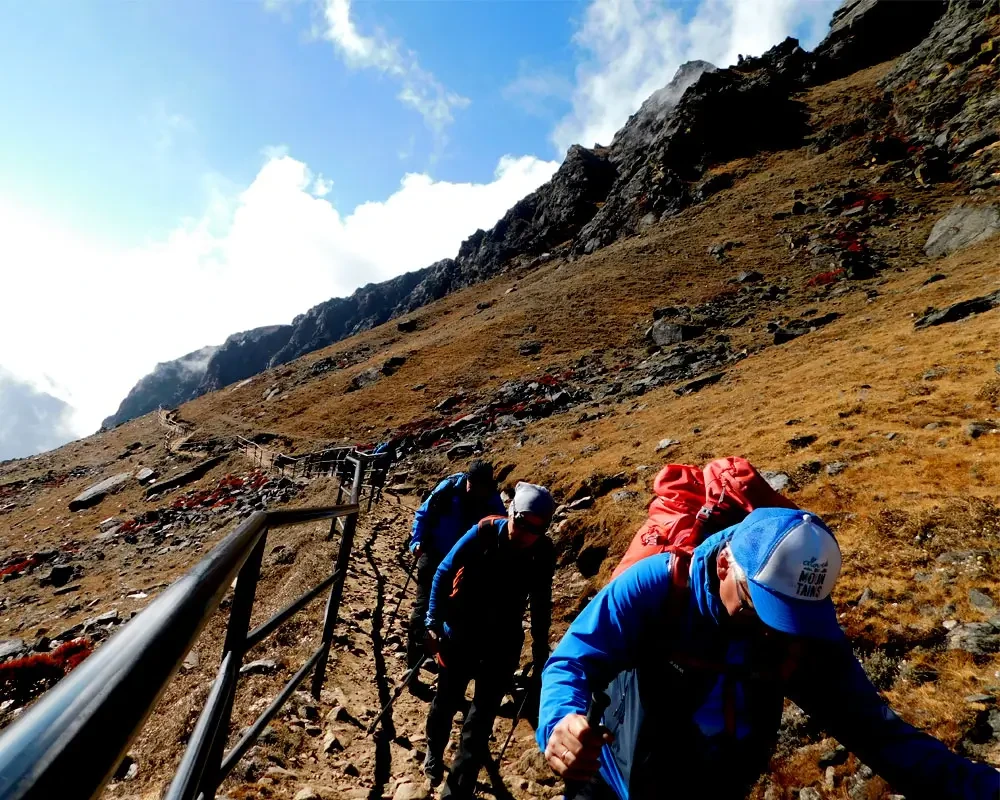
This particular trek takes you through a variety of terrains such as uneven stone steps, narrow ridges, forest-covered trails, and alpine meadows. Additionally, it includes long days of walking, usually 5 to 7 hours per day, depending on your pace and trail conditions.
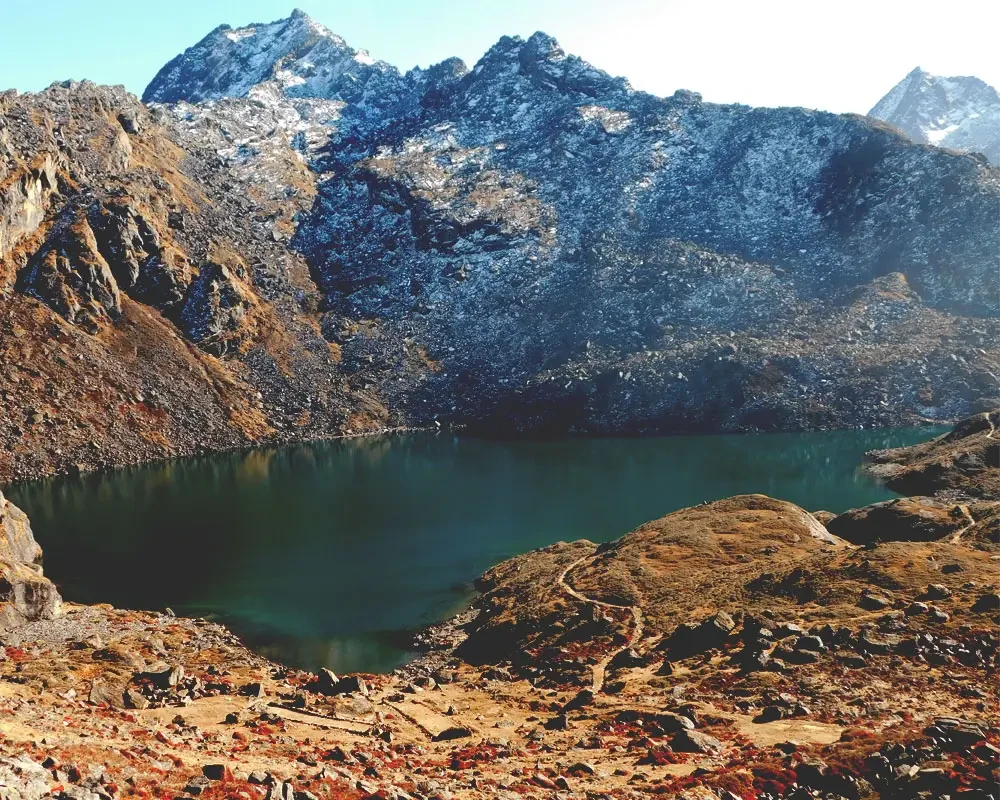
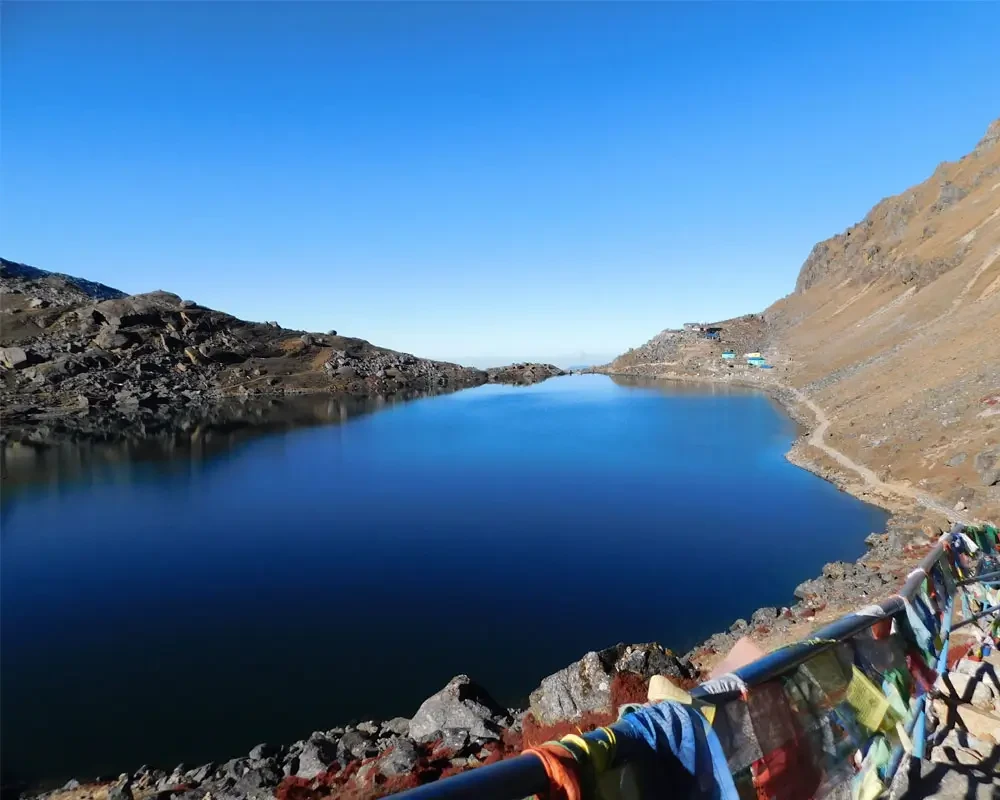
The real test, however, comes from the altitude. You are trekking above 3,000 meters, with the highest point at Gosaikunda Lake (4,380 meters). At this elevation, the air is thinner, temperatures can drop drastically, and the risk of Acute Mountain Sickness (AMS) is real, even for fit hikers.
Similarly, mornings and nights can be freezing, while daytime may be warm. Again, there may be chances of sudden snowfall or strong winds near the lakes.
That said, the trek is achievable for beginner to intermediate trekkers if you come prepared. Regular cardio, walking, hiking, or stair climbing before the trek helps, and a bit of mental prep for mountain conditions goes a long way. While very young children and elderly trekkers without previous high-altitude experience might struggle.
Gosaikunda Trek Preparation Tips For A Successful Journey
- Follow the acclimatization principle to reduce the risk of Acute Mountain Sickness.
- Choose a government-licensed trekking guide as required for the Gosaikunda Trek in Nepal.
- Engage in regular cardio exercises, walking, stair climbing, or light hiking 4 to 6 weeks prior to the trek.
- Pack layered clothing suitable for cold mornings, sunny afternoons, and chilly nights at high altitude.
- Carry water purification tablets or filters to ensure safe drinking water along the trek.
- Bring high-quality trekking boots with good grip.
- Use trekking poles to reduce strain on knees during ascents and descents.
- Pack a first-aid kit including medicines for altitude sickness, headaches, and minor injuries.
- Carry enough snacks and energy bars to fuel daily.
- Book accommodations in advance during peak season.
- Keep copies of your passport and important documents for trekking permits and emergencies.
- Plan your trek during the best seasons (spring and autumn).
- Stay hydrated and eat balanced meals daily.
- Stay informed about trail conditions, wildlife, and safety tips from your guide each day.
Best Time For The Gosaikunda Trek In Nepal (Season Guide)
When it comes to choosing the best time for the Gosaikunda Trek in Nepal, there are two clear front-runners: autumn (September to November) and spring (March to May). These seasons offer stable weather, clear skies, and spectacular Himalayan views, making trekking safer and more enjoyable with well-defined trails and mild temperatures.
Among them, autumn is generally the most popular, especially October, because the post-monsoon air makes the mountain panoramas pop and the weather stays predictably dry. Spring is a close second, with blooming rhododendrons and wildflowers lining the route and pleasant trekking conditions that attract a steady flow of hikers.
If you want fewer crowds and don’t mind colder days, winter can be peaceful. As for the monsoon season, while it does bring lush greenery, you get wetter trails and limited views, so it’s usually avoided by most trekkers.
Trekking To Gosaikunda In Autumn (September To November)
Autumn (September to November) is hands down the best time to trek to Gosaikunda, and if you ask us, this is the season we recommend without hesitation. The monsoon has just washed the mountains clean, the weather settles into a reliable rhythm, and the Himalayas show up in full clarity.
- If your priority is mountain views, safe trail conditions, and that classic high-altitude trekking feel, autumn is when Gosaikunda truly shines.
- Clear skies, crisp mountain air, and excellent visibility throughout the Gosaikunda trekking route.
- Stable weather conditions make this the safest and most predictable season for crossing Lauribina La Pass.
- Trails are freshly revived after the monsoon, with reduced dust and well-defined paths.
- Comfortable daytime temperatures for trekking.
- Night temperatures can drop below freezing near Gosaikunda Lake and Lauribina Pass, so warm layers are essential.
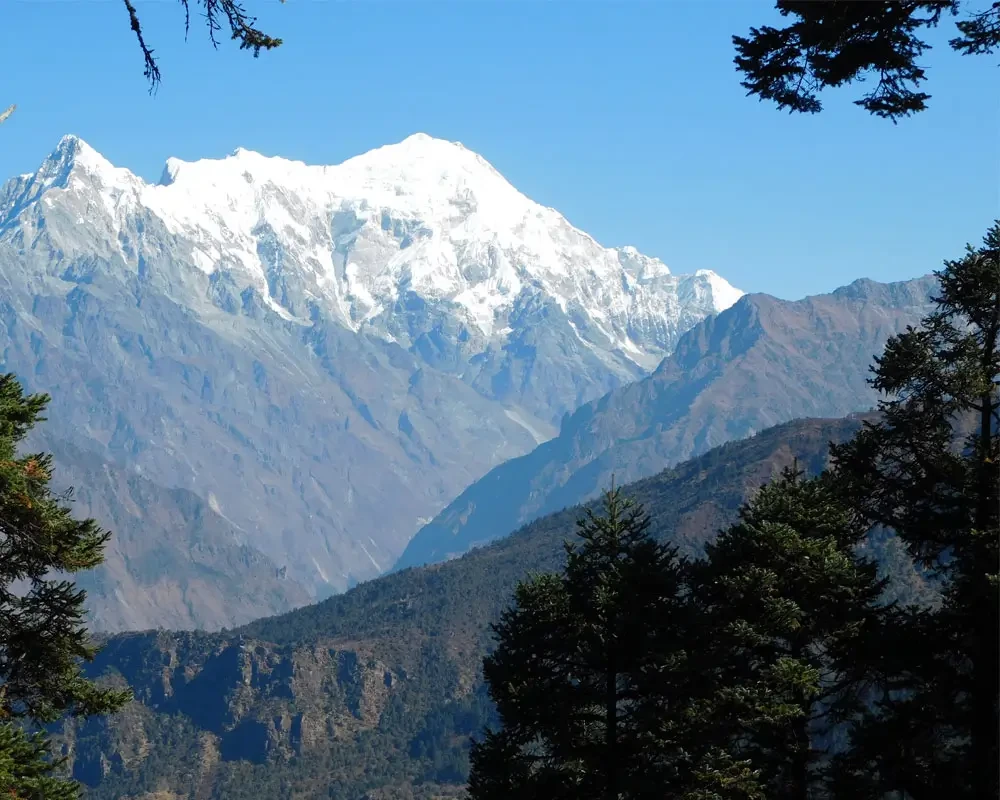
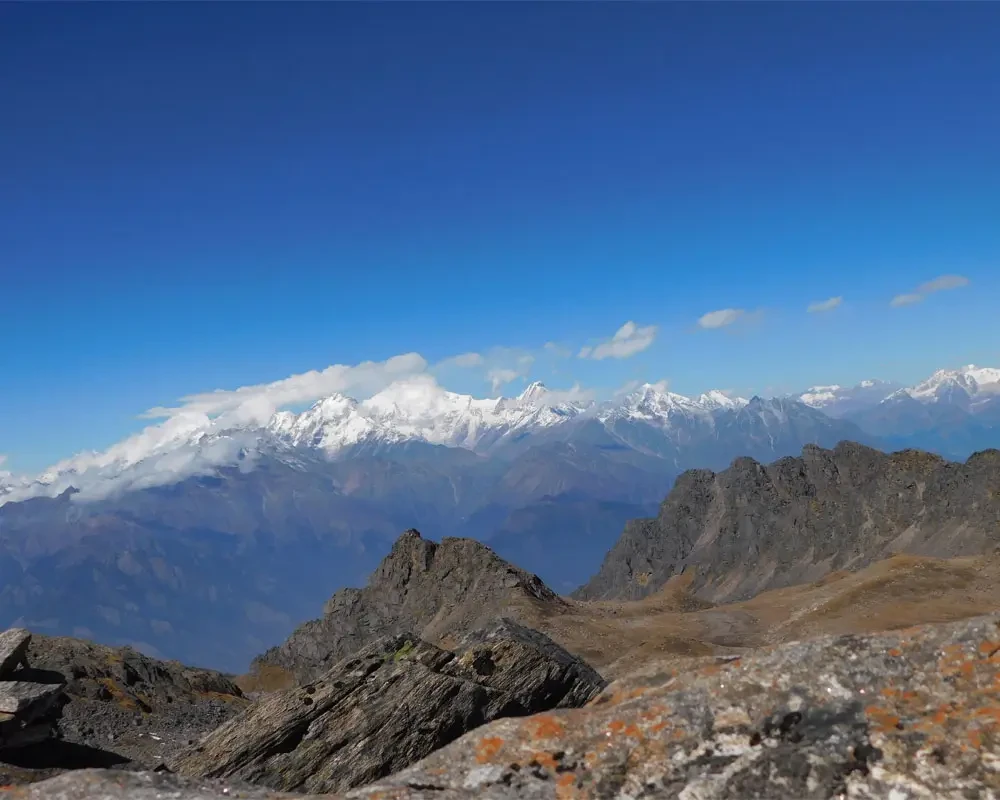
- Air quality is at its best, offering sharp, uninterrupted views of Langtang Lirung, Ganesh Himal, Manaslu, and even distant Annapurna peaks.
- Forest sections feel lush and alive, with mossy trails, fresh pine scents, and early autumn hues at lower elevations.
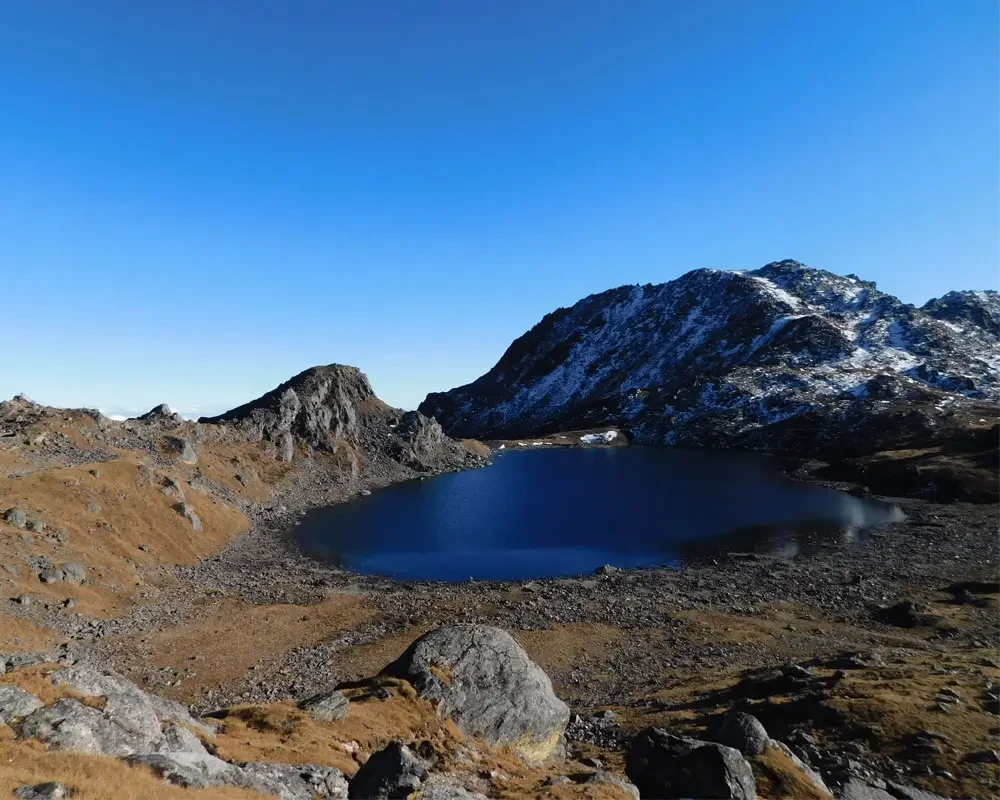
- Gosaikunda Lake looks especially magical, often reflecting surrounding snow-capped peaks like a mirror on calm autumn mornings.
- October is the prime month, known for the most stable weather, optimal visibility, and ideal trekking temperatures.
- September trekking is also enjoyable, though early in the month you may still notice occasional lingering monsoon clouds.
- November offers crystal-clear views and quieter trails, but mornings and evenings are noticeably colder with shorter daylight hours.
- As peak trekking season, tea houses can be busier, thus, you must book your accommodation in advance.
- You encounter festivals like Dashain and Tihar.
- Wildlife sightings improve due to clear conditions, with chances to spot Himalayan birds and traces of red pandas in forested zones.
Trekking To Gosaikunda In Spring (March To May)
Spring (March to May) is one of the most scenic and soul-lifting seasons to trek to Gosaikunda, especially if you love color, nature, and a lively mountain atmosphere. As winter loosens its grip, the trail wakes up with forests blooming, flowing streams, and the journey feels fresh and hopeful at every step. It’s the perfect season if you want beauty without the intensity of peak autumn crowds.
- Known as the best season for rhododendron blooms.
- One of the most visually rewarding seasons on the Gosaikunda Trek, especially between Dhunche and Sing Gompa.
- Fresh greenery, melting snow, and flowing streams.
- Active birdlife throughout the trail, with chances to spot Himalayan Monal, blood pheasant, and other alpine birds.
- Daytime temperatures remain comfortable for trekking.
- Mornings are usually clear and calm, while afternoons may bring light clouds or gentle spring breezes.
- Air quality is generally fresh, though mild spring haze or pollen can appear on warmer afternoons.
- Strong mountain visibility overall.
- Trails are mostly dry and stable, with occasional muddy patches from melting snow or brief spring showers.
- Wildlife sightings improve as animals become more active after winter.
- April is the best spring month, offering peak rhododendron blooms, stable weather, long daylight hours, and clear views.
- March brings early buds, cooler temperatures, and fewer trekkers.
- May features warmer days and late blooms with a slightly higher chance of haze.
- Trails are busier than winter but noticeably less crowded than the peak autumn trekking season.
Is It Possible To Trek To Gosaikunda During Off-Season (Winter & Monsoon)?
Trekking to Gosaikunda during the off-season (winter and monsoon) is possible, but it’s not for everyone. These months demand stronger preparation, flexible plans, and a realistic understanding of mountain risks.
Between the two, winter is the more viable option, especially for experienced trekkers who want solitude and snow-covered landscapes. Monsoon, on the other hand, is strongly discouraged, as heavy rainfall significantly increases landslide risks and reduces safety on the trail.
Monsoon Season (June To August): Not Recommended
- Heavy rainfall leads to muddy, slippery, and unstable trails throughout the Gosaikunda trekking route.
- High risk of landslides, especially on the Dhunche section and forested trails.
- Leeches are common in lower elevations and forest areas.
- Swollen rivers and streams can make crossings risky or impassable.
- Dense cloud cover often blocks mountain views.
- Trails are very quiet, offering solitude.
- Forests and alpine meadows become lush and deeply green.
- Road blockages and itinerary disruptions are common.
- Nepal Trekking Experts do not recommend this season due to safety concerns and unpredictable weather.
Winter Season (December To February): Recommended For Experienced Trekkers Only
- Snow-covered trails, especially near Gosaikunda Lake and across Lauribina La Pass.
- Icy sections on steep climbs and descents.
- Extremely cold nights in tea houses, with temperatures dropping well below freezing.
- Shorter daylight hours.
- Clear winter skies with stunning snow-capped Himalayan views.
- Very few trekkers on the trail.
- Higher chance of trail closures if snowfall becomes excessive.
- Best suited for physically fit trekkers with prior high-altitude or winter trekking experience.
Gosaikunda Lake Trek Cost Breakdown
The Gosaikunda Lake Trek cost is refreshingly reasonable for a high-altitude Himalayan journey. It costs USD 690 for the full package.
Here, this package cost includes your tea house accommodation throughout the trek, all standard meals during trekking days, all required trekking permits and national park entry fees, a government-licensed trekking guide, and shared ground transportation as per the itinerary. Basic logistical planning, route management, and on-trail support are also covered.
However, the cost does not include optional upgrades such as private transportation, porter hire, tips for your guide or porter, travel insurance (which is mandatory), personal expenses like snacks, hot showers, Wi-Fi, device charging, or drinks, and any unforeseen costs due to weather delays or itinerary changes.
Gosaikunda Round Trek Packing List & Essential Gear
Clothing:
- Moisture-wicking base layers (thermal tops and bottoms)
- Lightweight trekking shirts (quick-dry)
- Insulating mid-layer (fleece or down jacket)
- Waterproof and windproof outer shell (jacket and pants)
- Trekking pants (preferably quick-dry)
- Warm hat/beanie and sun hat
- Buff or neck gaiter
- Lightweight gloves
- Sleepwear suitable for cold tea house nights
Footwear:
- Sturdy, waterproof trekking boots with good ankle support
- Lightweight sandals or camp shoes
- Warm socks (wool or synthetic)
Gear & Equipment:
- Backpack (30 to 40L for day carry) or duffel bag (if using a porter)
- Trekking poles
- Sleeping bag (rated to at least -10°C)
- Headlamp or flashlight with extra batteries
- Reusable water bottles or hydration bladders
- Water purification tablets or a filter
- Sunglasses with UV protection
- Sunscreen and lip balm (high SPF)
- Power bank and charging cables
Personal Items:
- Passport copy and trekking permits
- Travel insurance documents
- Personal toiletries and a quick-dry towel
- Basic first-aid kit (including altitude sickness medication if prescribed)
- Hand sanitizer and wet wipes
- Snacks and energy bars
- Camera or smartphone
Meals, Accommodation, Hot Shower, & Transportation On The Gosaikunda Spiritual Trek
Food Options And Typical Meals On The Trail
When it comes to meals on the Gosaikunda Trek, Nepal Trekking Experts ensure that you get three wholesome meals a day plus tea or coffee, starting with a welcome dinner in Kathmandu before the trek even begins. Breakfast and dinner are served at your teahouse lodges, while lunch stops are arranged along the trail to keep you fueled during your trekking days. During the journey, you encounter both local flavors and Western favorites.
You find Dal Bhat with unlimited refills, steaming bowls of Thukpa, momo, fried rice, noodles, spring rolls, and even pasta, pizza, or pancakes. For breakfasts, you find items such as local chapati or Tibetan bread with curry, or eggs, porridge, and muesli for those who like a more continental start.
Additionally, the trek is extremely vegetarian and vegan-friendly, and your guide can communicate any dietary restrictions to the kitchen staff. For long hiking stretches or early morning starts, you must carry energy bars, chocolates, or trail snacks.
Tea House Accommodation And Overnight Stays
On the Gosaikunda Trek, your overnight stays are at the local tea houses. At lower-altitude stops like Sing Gompa, you find comfortable rooms with proper beds, blankets, and basic furniture. As you move higher toward Gosaikunda Lake and Lauribina La Pass, accommodations become more rustic, with shared bathrooms, squat toilets, and simple bedding.
Heating is generally unavailable at these higher elevations, which is why Nepal Trekking Experts provide clean, high-quality sleeping bags rated for -20°C, if you are not carrying any. Rooms are typically small, and during peak trekking seasons in spring and autumn, booking in advance is highly recommended to secure your spot.
Most tea houses focus on cleanliness, essentials, and comfort rather than luxury. Additionally, you also find a friendly atmosphere where you can mingle, recharge, and enjoy meals with fellow hikers.
Hot Shower Facilities On The Trek
You can enjoy a hot shower on the Gosaikunda Trek, but it is generally bucket showers or basic traditional setups where water is heated using limited fuel. Most tea houses at lower-altitude stops like Sing Gompa have easier access to hot water, while higher-altitude lodges near Gosaikunda Lake or Lauribina La Pass offer showers at a premium, typically 2 to 3 USD (around 300 to 400 NPR).
Because hot water is shared and limited, showers are usually quick, and it’s smart to bring your own biodegradable soap or body wash that’s safe for high-altitude trekking.
Transportation Routes, Travel Experience, & Its Cost
The Gosaikunda Trek begins with a bus ride from Kathmandu to Dhunche, covering roughly 120 km in about 6 to 7 hours, depending on traffic and road conditions. The route winds through bustling towns, rivers, and terraced hills.
Local buses are part of the authentic experience. They are inexpensive, but you should expect them to be crowded, make frequent stops, and occasionally feel less than pristine. It’s a true immersion into Nepalese road travel, if you don’t mind sacrificing comfort for authenticity. The bus ride from Kathmandu to Dhunche costs you NRs 1,000.
On the return leg, you ride from Kutumsang back to Kathmandu, which is slightly longer at 6 to 8 hours over winding mountain roads. This journey offers sweeping views of valleys and rivers, but again, road conditions are variable, and buses can be slow and crowded. The cost for this ride is around NRs 800 per person.
Now, if you value comfort, flexibility, and a smoother ride, a private jeep is a smart option. Traveling in a jeep allows you to cut travel time significantly, stop at scenic viewpoints whenever you like, and enjoy a more controlled and safer journey, especially on narrow or rough mountain roads.
Private rides cost around USD 110 (NRs 15,000) from Kathmandu to Dhunche, and the return journey from Kutumsang to Kathmandu is priced similarly. In a private jeep, you can relax, enjoy the alpine scenery without the jostling of public buses, and even play your favorite music or take photos freely.
Is There Safe Drinking Water Availability On The Trails Of The Gosaikunda Trek?
Safe drinking water is widely available along the trails of Gosaikunda. Most tea houses provide boiled water, and bottled water is also readily available, though prices increase slightly as you gain altitude near Gosaikunda Lake or Lauribina La Pass.
You also come across natural water sources such as streams, springs, and alpine runoff, but these should always be treated before drinking, either by boiling, using water purification tablets, or a portable filter to avoid stomach issues and dehydration.
To make it easier, you should bring a reusable water bottle or hydration bladder, which you can refill at tea houses or treated natural sources throughout the trek. Your guide and porter team also point out the safest water spots.
Wi-Fi, Mobile Network, & Electricity On The Gosaikunda Trekking Trail
Wifi Availability
Staying connected is possible, but you should not expect blazing-fast internet. Wi-Fi is available at most tea houses, especially in lower-altitude stops, but higher-altitude lodges may struggle, particularly during bad weather, snowfall, or heavy cloud cover. Most places charge around USD 3 per day (in Nepali Rupees), though some lodges include Wi-Fi free with meals or offer slightly lower rates.
Also, wifi reception is often stronger on terraces or outdoor areas, so stepping outside while sipping tea or enjoying the mountain view can improve connectivity.
Mobile Network Coverage
You might be surprised, but the Gosaikunda Trek actually offers decent mobile network coverage, especially considering its high-altitude Himalayan terrain. Most bigger villages along the trail provide a reliable signal, so you can check messages, make calls, or share updates without feeling completely cut off.
The two main providers here are NCELL and Nepal Telecom (NTC), with NTC generally offering better reception along the trek. If you are coming from abroad, it’s easy to grab a local SIM card in Kathmandu, either at the airport or at local shops.
To get the SIM card, you need to register with your passport to be activated. Once on the trail, keep in mind that signal strength may dip in remote sections or during bad weather, so don’t count on continuous coverage.
Charging Electronic Devices
Most tea houses along the trail provide charging facilities, though at higher-altitude lodges, electricity is often solar-powered and can be intermittent or slower than usual. You can typically expect a small fee, usually under 1 USD (in Nepali Rupees), for a full charge of your phone, camera, or other small electronics.
To stay prepared, you should bring a reliable portable power bank and sturdy charging cables compatible with Nepal’s 220V outlets (Type C, D, or M plugs).
Do I Need Travel Insurance For The Gosaikunda Pass Trek (Coverage & Tips)
Absolutely, travel insurance is a must for the Gosaikunda Pass Trek. This trek takes you through high-altitude trails, remote villages, and rugged terrain, so having coverage can be a literal lifesaver. The right policy protects you against medical emergencies, evacuation, trip cancellations, lost or damaged gear, and unexpected travel delays.
At altitudes above 4,000 meters, even minor illnesses or injuries can escalate quickly, and insurance ensures you have access to professional help without worrying about huge costs.
When choosing insurance, make sure it specifically covers high-altitude trekking and emergency evacuation. You should check for mountain rescue, helicopter evacuation, and hospital costs. Also, you must keep a copy of your insurance policy and emergency contact numbers.
Currency in Nepal, ATMs, & Card Payments For The Gosaikunda Trek
Nepal’s official currency is the Nepalese Rupee (NPR or NRs), and if you are planning the Gosaikunda Trek, it’s smart to know your options for cash and payments. You can easily exchange currencies in Kathmandu or Pokhara at banks, exchange counters, and authorized money changers.
While credit and debit cards, Visa, MasterCard, and American Express, are accepted in major hotels, restaurants, and stores in cities, a typical 3.5% surcharge applies. As for the ATMs, you find plenty in Kathmandu and Pokhara, especially in Thamel, but limits vary: some machines allow up to NPR 10,000 per day, while others go as high as NPR 35,000, with a USD 5 transaction fee plus any charges from your home bank.
Once you leave the city for the trek, ATMs disappear, so it’s crucial to carry enough cash for permits, tea house meals, tips, and small essentials.
Nepal Entry Visa Requirements For Gosaikunda Trekking
Getting your Nepal entry visa is easy. You can obtain it on arrival at Tribhuvan International Airport in Kathmandu, or for peace of mind, you can apply in advance at a Nepalese Embassy or Consulate in your home country.
Visa fees are straightforward and payable in cash, though credit cards are accepted at many counters now. The current costs are USD 30 for 15 days, USD 50 for 30 days, and USD 125 for 90 days, all for multiple entries.
Here, you must ensure that your passport has at least six months of validity before you travel, and know that extensions are available at the Nepal Immigration offices in Kathmandu and Pokhara if you plan to linger or combine treks.
How To Book The Gosaikunda Lake Trek With Nepal Trekking Experts? And Why?
Booking your Gosaikunda Lake Trek with Nepal Trekking Experts is simple, secure, and hassle-free. All it takes is a 10% deposit of your total trek cost, along with a copy of your passport, a passport-sized photo, and your flight details if available.
You can easily make the deposit online via our website, which is completely safe, and an automatic receipt lands in your inbox immediately. The remaining payment can be settled upon arrival in Nepal.
Now, why choose Nepal Trekking Experts to book your Gosaikunda Trek? With decades of experience on the Gosaikunda trails, we know every hidden viewpoint, every tea house, and every stretch where the mountain really steals your breath. Safety is non-negotiable: all guides are government-certified, insured, and trained for high-altitude trekking, with deep knowledge of local culture and terrain.
Beyond safety, we provide personalized support, flexible itineraries, and 24/7 assistance, making sure your journey matches your pace, comfort, and curiosity. On top of it, we are government-recognised by TAAN, NMA, and the Nepal Tourism Board, a team trained with regular workshops, authentic connections with locals, direct community support, free trekking gear if you are missing essentials, and top-rated reviews on TripAdvisor.
 based on 1 review
.webp)