Langtang Gosaikunda Helambu Trek

Explore scenic, spiritual, and cultural tour in the Langtang National Parkratingbased on 1 review
  • Duration17 Days
  • Difficulty Level Moderate
  • Activity Trekking & Hiking
  • Max. Altitude 4610 meters
  • Starts Syabrubesi
  • Ends Tarkeghyang
  • Group Size 1-12
  • Best Season March to May and September to November
Group Discount Prices
  
1 paxUS$1145
2 - 3 paxUS$1045
4 - 6 paxUS$990
7 - 12 paxUS$945
Langtang Gosaikunda Helambu Trek Highlights
  • Take an adventurous drive from Kathmandu to Syabrubesi, passing winding mountain roads, terraced farmlands, river valleys, and rural villages that introduce Nepal’s diverse landscapes.
  • Trek through the Langtang National Park, passing by lush forests of oak, pine, bamboo, and rhododendron while spotting Himalayan wildlife like red pandas, musk deer, and pheasants.
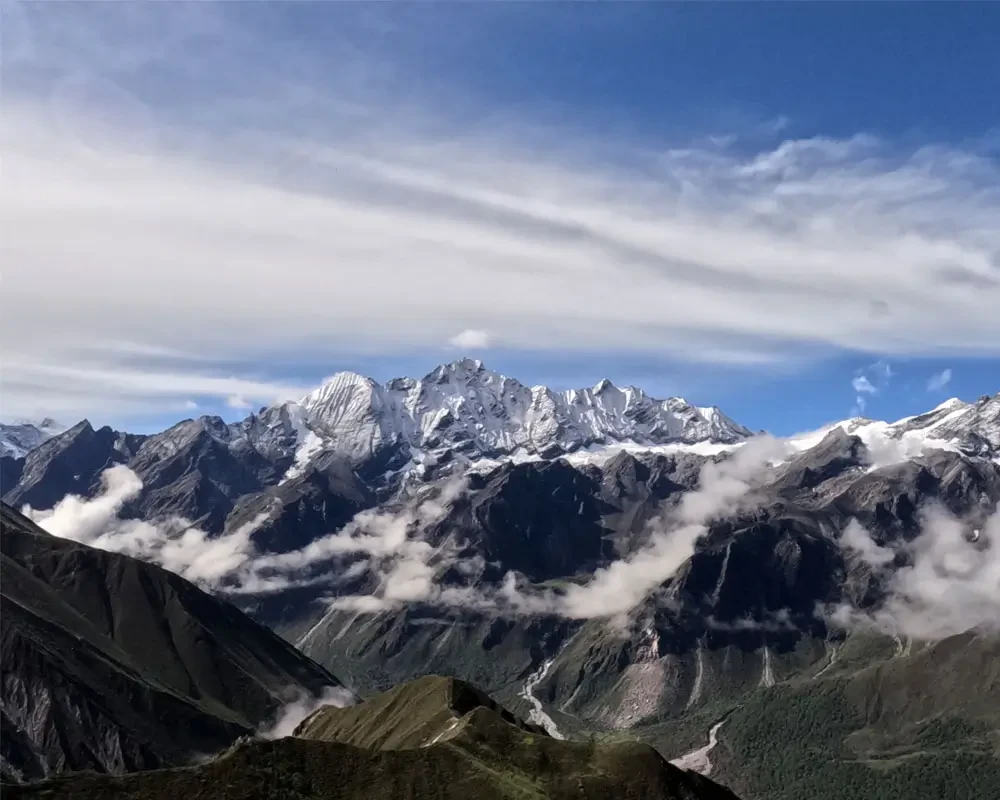
  • Gradually ascend through a dramatic Langtang Valley, with increasing views of snow-capped peaks including Langtang Lirung and Dorje Lakpa, and encounters with traditional Tamang settlements.
  • Explore Langtang Village, a resilient Himalayan community rebuilt after the 2015 earthquake.
  • Trek to Kyanjin Gompa, a serene monastery and cultural center at the heart of the Langtang region.
  • Enjoy day hikes to Kyanjin Ri or Cherko Ri, which offer sweeping panoramic views of the Langtang Himal, glaciers, and alpine meadows.
  • Trek to Sing Gompa (Chandanbari), home to ancient monasteries, yak pastures, prayer flags, and a peaceful alpine atmosphere.
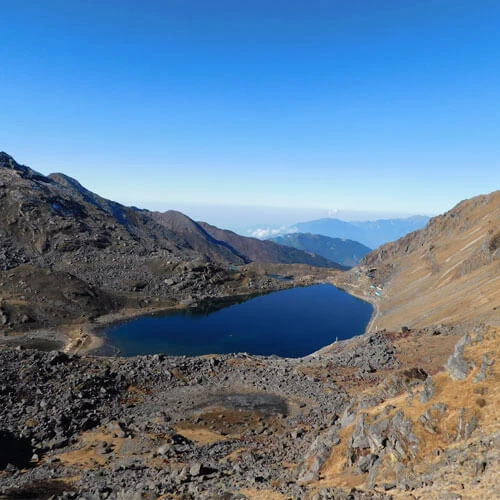
  • Visit the sacred Gosaikunda Lakes (Gosaikunda, Bhairabkunda, Suryakunda, and Saraswotikunda), revered in both Hindu and Buddhist traditions.
  • Cross via Thadepati viewpoint, which is one of the most panoramic spots of the trek, with 360° Himalayan vistas and a natural lunch stop for trekkers.
  • Day hike to Aama Yangri Viewpoint, the highest peak in Helambu.
  • Enjoy authentic Helambu culture, meeting Hyolmo villagers, observing traditional stone houses, local monasteries, and community life.

The Langtang Gosaikunda Helambu Trek is one of Nepal’s most rewarding Himalayan journeys, linking the alpine beauty of Langtang Valley, the sacred Gosaikunda Lake system, and the culturally rich Helambu region into one continuous route. What makes this trek special is how seamlessly it blends dramatic mountain scenery, spiritual landscapes, and everyday village life, without repeating trails or forcing rushed acclimatization. 

In just one journey, you will move from glacier-fed valleys to high-altitude pilgrimage lakes, then descend into peaceful hill villages shaped by centuries of tradition. One of the biggest strengths of this trek is its balance. 

Despite being close to Kathmandu, the terrain feels remote and diverse, changing almost every day. You will walk through dense forests of oak, pine, bamboo, and rhododendron, cross alpine meadows and rocky high passes, and arrive at sacred glacial lakes surrounded by stark Himalayan wilderness. 

Compared to Everest and Annapurna, the Langtang Gosaikunda Helambu Trek is quieter, less commercial, and more personal. It is ideal for trekkers who want scenery and meaning.

The Langtang Gosaikunda with Helambu Valley journey is a moderate tea house trek spread over 17 days, carefully designed with gradual altitude gain and a well-placed acclimatization day at Kyanjin Gompa. This pacing allows your body to adapt naturally while giving you time to actually enjoy the surroundings instead of racing through them. 

As the trail transitions from the high alpine environment of Langtang to the mid-hill landscapes of Helambu, the trekking experience softens. Also, mountain views are a constant companion throughout the trek. You will see Langtang Lirung, Dorje Lakpa, and the Ganesh Himal range, along with sweeping Himalayan panoramas from Kyanjin Ri, Cherko Ri, Thadepati viewpoint, and Aama Yangri. 

This particular adventure begins in Kathmandu, followed by a scenic drive to Syabrubesi. During this ride, you will pass mountain roads, terraced hillsides, and rural settlements. From there, the trail enters Langtang National Park, following the Langtang River to Lama Hotel before opening into the wide valley of Langtang Village. 

Langtang village is a place that stands as a symbol of resilience after the 2015 earthquake. Higher up, Kyanjin Gompa offers glacier views, a historic monastery, and the region’s famous yak cheese production, along with optional hikes that deliver some of the best viewpoints in Langtang.

From here, you will descend and shift toward Thulo Syabru and Sing Gompa, and this is where the landscape becomes more forested and spiritual, leading into the sacred Gosaikunda Lakes. Here, the lakes include Gosaikunda, Bhairabkunda, Suryakunda, and Saraswotikunda. 

Later, the trail crosses toward Ghopte, then descends via Thadepati viewpoint into the Helambu region. You will also pass villages like Melamchi Gaun and Tarke Ghyang, which will feel quieter and deeply traditional, with stone houses, monasteries, terraced fields, and warm teahouse hospitality. 

Additionally, you will also get to enjoy a day hike to Aama Yangri, which is the highest point in Helambu. This side trip offers wide Himalayan views and a calm, reflective end to the trekking experience before the drive back to Kathmandu.

Culturally speaking, this trail passes through regions inhabited mainly by Tamang communities in Langtang and Hyolmo communities in Helambu. Their lives revolve around farming, yak herding, trade, and trekking tourism.

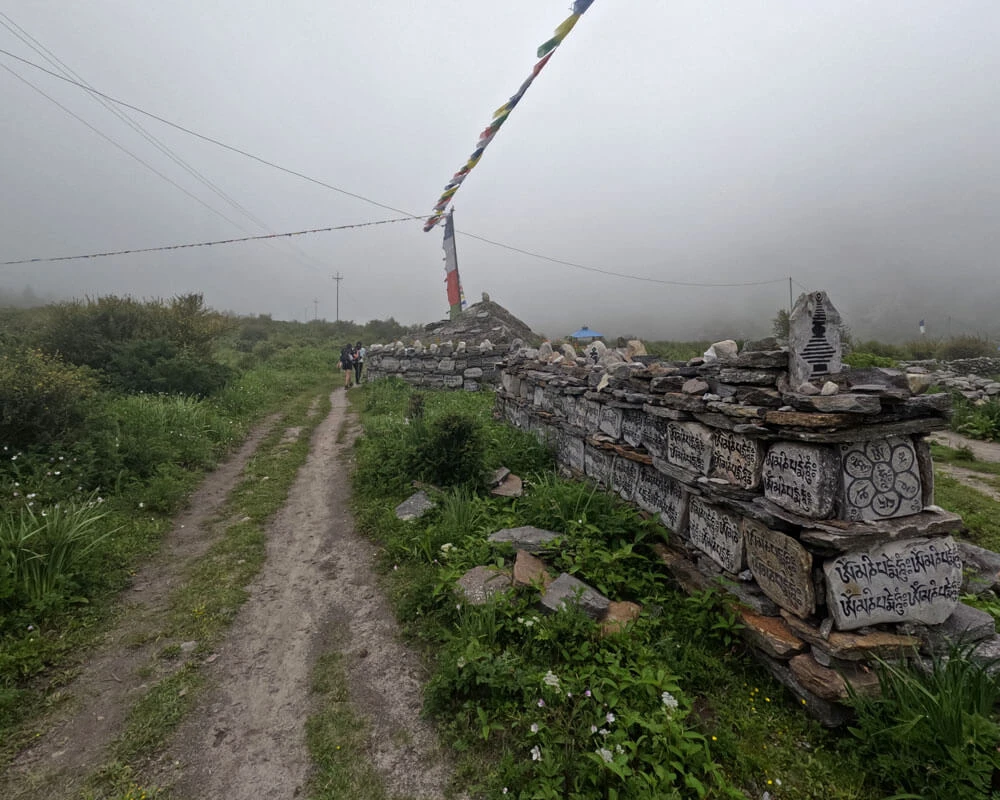
Similarly, their traditions are deeply rooted in Tibetan Buddhism, which is visible in monasteries, prayer flags, mani walls, and chortens scattered along the trail. Along the way, you may encounter cultural festivals such as Lhosar, celebrated by the Tamang and Hyolmo communities as the Tibetan New Year. 

At the same time, Gosaikunda Lake holds immense importance for Hindu pilgrims, especially during Janai Purnima, when devotees gather to honor Lord Shiva. This blend of Buddhist and Hindu belief systems gives the trek a rare spiritual depth.

Overall, the Langtang Gosaikunda Helambu Trek is ideal if you are looking for a well-rounded Himalayan adventure that combines scenery, culture, and spirituality without extreme technical difficulty or long travel times. 

And if 17 days feels like too much, the route is flexible, as you can shorten it by only trekking Langtang Valley, Gosaikunda route, Helambu Journey, or combine two regions with Langtang Valley and Gosaikunda Trek

What You Will Experience On The Langtang Gosaikunda Helambu Trek In Nepal?

Explore Kyanjin Gompa & Visit The Traditional Yak Cheese Factory

Tucked deep inside Langtang Valley within Langtang National Park, Kyanjin Gompa is situated at around 3,870 meters. It is one of the highest permanent settlements on the Langtang Trek. Here, you will find towering peaks like Langtang Lirung and Dorje Lakpa above glaciers and wide alpine basins. 

This is where the trek opens up, both visually and emotionally. Most people here instinctively slow down to acclimatize and to take it all in. Kyanjin Gompa is a natural acclimatization hub, and many trekkers wisely spend two nights here. 

The days are perfect for short but rewarding side hikes, such as Kyanjin Ri, Tserko Ri, glacier viewpoints, or even a casual wander toward the Langtang Glacier itself. The trails around the village shift from forested paths to high-altitude pastures dotted with grazing yaks, icy streams, and glacial debris. 

Similarly, life here revolves around the Tamang and Sherpa communities, whose culture is deeply rooted in Tibetan Buddhism. You will see it everywhere: prayer flags, mani walls, and the quiet presence of Kyanjin Gompa Monastery.

Now for one of Kyanjin Gompa’s most unexpected highlights, and one of its punchiest: Nepal’s first yak cheese factory. It was established back in 1955 with support from Swiss dairy experts and the Government of Nepal. 

It was a smart, community-driven solution to help local herders turn surplus yak milk into a durable, high-value product. Decades later, the factory still plays a vital role in sustaining livelihoods and keeping traditional pastoral life economically viable in the Langtang region.

The cheese itself is a product of place. Fresh yak and chauri milk, collected seasonally by local herders, is gently heated, curdled, pressed, and aged in cold stone cellars. The result is a firm cheese with a nutty, slightly tangy, earthy flavor. 

As a visitor, you can watch the process, sample the cheese, and even buy some to take home. All in all, the yak cheese is proof that trekking in Nepal can support culture, conservation, and community all at once. 

Hike To Kyanjin Ri For Panoramic Langtang Himalaya View

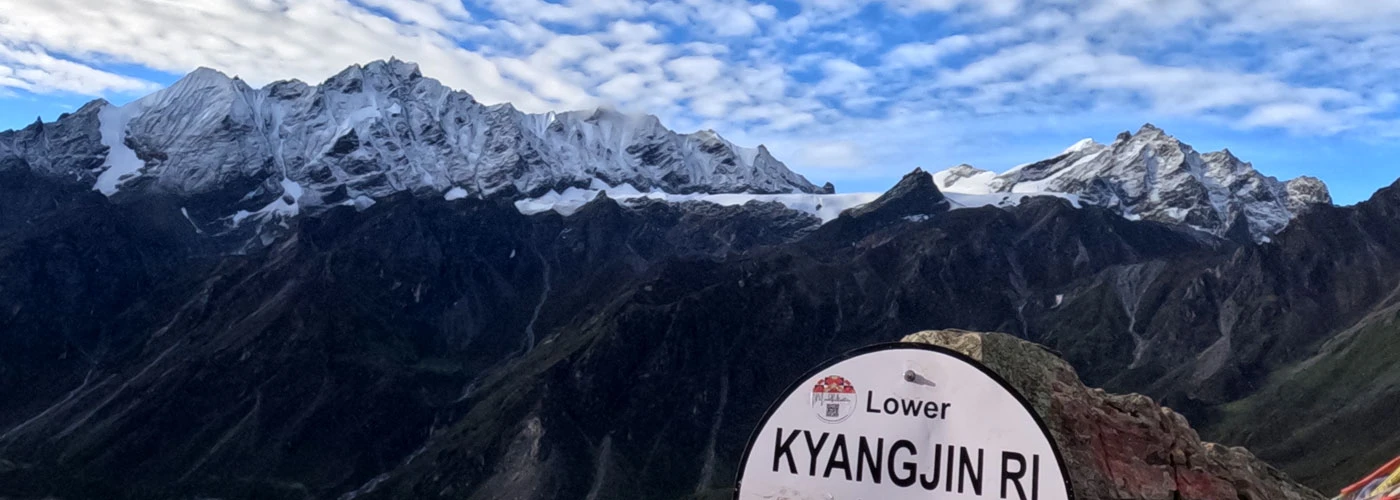
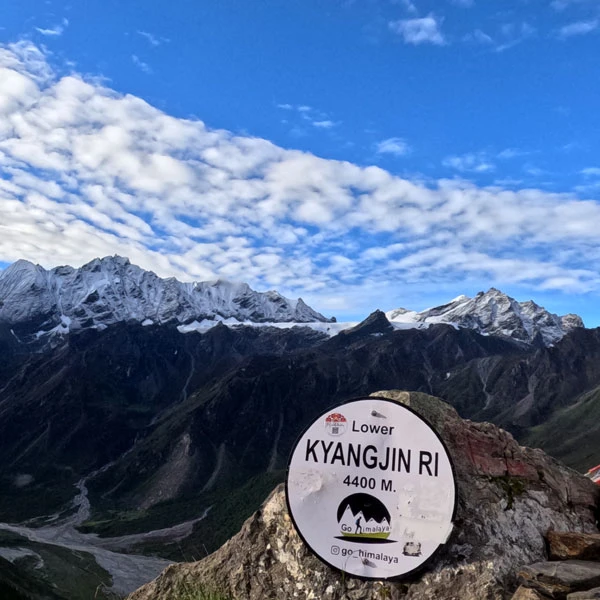
If you are trekking the Langtang Gosaikunda Helambu Trek, you should not miss the hike up to Kyanjin Ri. Just northeast of Kyanjin Gompa in Langtang Valley, this ridge-like summit situated at about 4,773 meters above sea level is like the natural balcony of the Himalayas.

Kyanjin Gompa is already a stunning high-altitude village surrounded by peaks and glaciers. From the top of Kyanjin Ri, you will get 360-degree panorama of himalayas such as Langtang Lirung, Ganchenpo, Dorje Lakpa, Yala Peak, and surrounding ridges form a breathtaking horizon of snowy summits. 

Below you, you will also notice the wide expanse of the Langtang Valley through rocky terrain, yak pastures dotting the high meadow landscape, and distant villages. Early mornings here are gold dust, with sunlight brushing the peaks. 

Additionally, you will also notice the valley’s flora and fauna, from blooming alpine herbs and rhododendrons in spring to occasional sightings of Himalayan monal, langur monkeys, and the rare Himalayan tahr as you climb. And while Kyanjin Ri is celebrated for Himalayan views, it also lets you appreciate the wider ecosystem of Langtang National Park.

The trail’s charm is also cultural: you will start the day among the warmth of the Tamang and Sherpa communities at Kyanjin Gompa. By the time you reach the ridge, you will have enjoyed its rugged beauty, its spiritual undercurrents, and that unmistakable Himalayan atmosphere.

If you are trekking in spring or autumn, the views from Kyanjin Ri are crisp, sweeping, and unforgettable. Since clouds tend to roll in by afternoon, you must head up early to catch the clarity of a Himalayan sunrise. 

Climb Cherko Ri For Sunrise & High-Altitude Mountain Scenery

If you thought the views from Kyanjin Ri were stunning, wait until you hear about Cherko Ri, which is one of the highest and most exhilarating side hikes on the Langtang Gosaikunda Helambu Trek. Locally known as Tserko Ri, this rugged summit rises to roughly 5,000 to 5,033 meters above sea level and is situated above Kyanjin Gompa. 

It offers arguably the most expansive panoramic stage of the entire Langtang Valley. Cherko Ri is a high-altitude vantage point that rewards effort with jaw-dropping Himalayan theatre. The climb is steeper and longer than Kyanjin Ri. 

When you finally reach the summit at dawn, you will witness the sun’s early light draping massive peaks like Langtang Lirung, Dorje Lakpa, Yala Peak, Ganchenpo, and even distant Shishapangma. The surroundings on the way up are equally compelling. 

As you leave the tree line behind, the trail opens onto high alpine pastures and sparse shrubs clinging to rocky terrain. This zone is where the landscape begins to feel truly Himalayan. You can often spot high-altitude birds and, if you are quiet and lucky, glimpses of wildlife adapted to this tough environment.

Like much of the Langtang region, the cultural backdrop is rich, rooted in Tibetan Buddhism and Tamang heritage. This hike feels like a peak experience because it so clearly frames the scale, beauty, and power of the Langtang Himalayas. 

Discover The Sacred Gosaikunda Lakes: Gosaikunda, Bhairabkunda, Suryakunda, & Saraswati Kunda

These glacial Gosaikunda lakes lie inside Langtang National Park at an altitude of around 4,380 meters, which is reached after crossing forested ridges and rugged high-altitude terrain from Sing Gompa. The moment you arrive, the air feels thin, the landscape turns austere, and everything feels quieter.

Here, Gosaikunda is the heart of a cluster of sacred alpine lakes. The surroundings are dramatic and almost lunar with rocky slopes, icy wind, prayer flags, and peaks like Langtang Lirung, Ganesh Himal, and surrounding ridgelines. On clear days, you will see reflections ripple across deep blue water, and on cloudier afternoons, mist rolls in, and the place feels ancient.

Gosaikunda Lake itself is the largest and most revered. According to Hindu mythology, Lord Shiva is believed to have created this lake by piercing the mountain with his trident to cool his throat after consuming poison during the cosmic churning of the ocean. 

For this reason, the lake is sacred to Hindus and closely associated with Lord Shiva, while Buddhists also regard the area as spiritually significant. The water is icy year-round, often partially frozen, and pilgrims believe bathing here cleanses sins and brings spiritual merit.

Nearby, you will also find Bhairabkunda, named after Bhairab, Shiva’s fierce manifestation. This lake feels darker and more intense, often deeper in color, and surrounded by rugged rock walls. Similarly, Suryakunda, associated with the Sun God, reflects light sharply when the weather clears, while Saraswati Kunda, linked to the goddess of wisdom.

Together, these lakes form a sacred landscape, and walking between them feels like moving through chapters of living mythology. While here, you will be trekking at high altitude, often in cold, unpredictable weather. 

You will meet Hindu pilgrims, especially during Janai Purnima (full moon in August), when thousands walk barefoot across high passes to worship, pray, and bathe in the lake. Outside festival times, the lakes are quieter, shared mainly with trekkers, monks, and the occasional shepherd.

Moving on, wildlife is sparse at this altitude, but you may spot high-altitude birds circling above or yaks grazing lower down before the final ascent. Flora is also minimal with alpine grasses and hardy mosses clinging to life.

Cross Laurebina La (Gosaikunda Pass), The Highest Point Of The Trek

Here, crossing the Laurebina La Pass will make you rethink everything you thought you knew about high-altitude views in Nepal. Situated at around 4,610 meters above sea level, this dramatic high pass marks the highest point on this journey and lies between the sacred lakes of Gosaikunda and the rolling ridgelines that lead down toward the Helambu region.

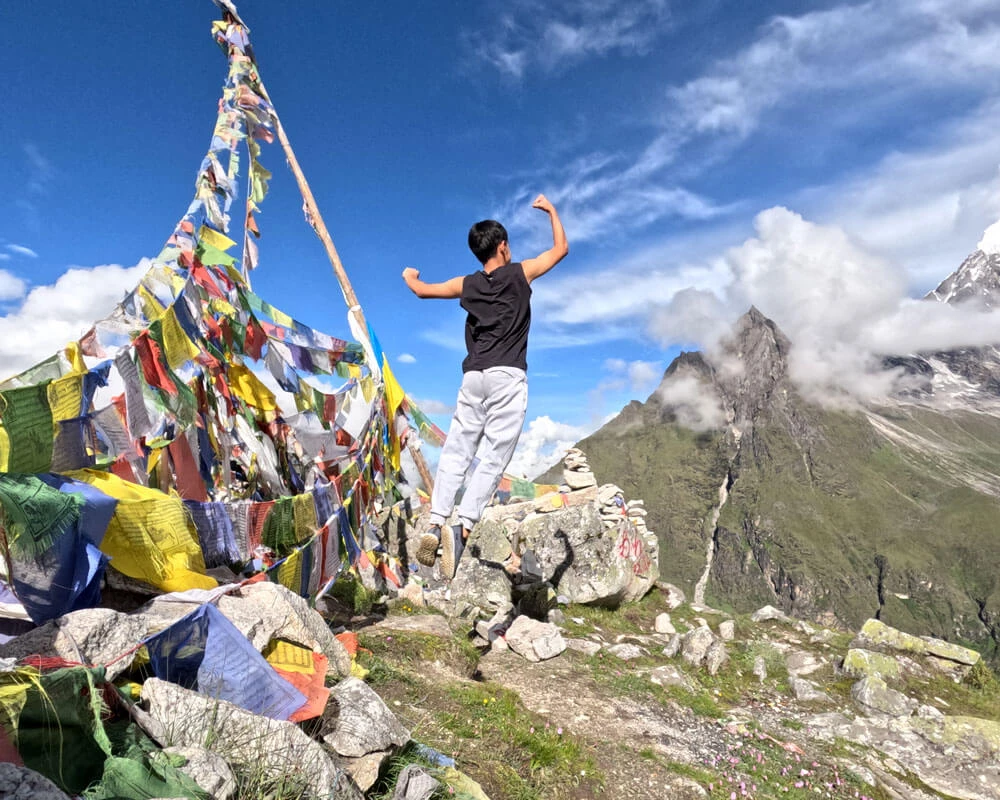
The ascent to Laurebina La is steep and exposed. As you approach the pass, everything opens up into high alpine barrens with rocky ridges, snaking moraines, prayer flags, and jagged peaks. Once you reach the top, the first thing you will notice is how vast the Himalayas feel here, from the snow-capped giants of the Ganesh Himal and Manaslu ranges to the Langtang Himalaya.

Standing on Laurebina La, you are literally at the crossroads between two worlds: the sacred lake basin you just climbed from and the quieter, greener Helambu valleys that lie ahead. Sure, Gosaikunda’s turquoise waters and sacred ambiance are stunning, but from the pass, you see how all these landscapes fit together in one gigantic Himalayan tapestry.

The trek across the pass usually happens after you have spent time exploring the lakes and absorbing the spiritual calm of Gosaikunda. From there, the trail initially dips before beginning the climb toward the pass. You will pass smaller alpine tarns and maybe some seasonal snowfields. 

As for the weather, it can be unpredictable at this altitude. You may face clear mornings with spectacular visibility, while afternoon clouds can roll in fast.

Witness Himalayan Sunrise & Ridge Views From Thadepati Viewpoint

Watching the sunrise from Thadepati Viewpoint is a classic high-ridge perch that feels like a natural amphitheater carved for the Himalayan sunrise. Situated high on one of Helambu’s ridgelines (around 3,650 to 3,690 meters), Thadepati gives you a front-row seat to some of the most dramatic mountain scenery in this part of Nepal.

This is where the trail suddenly feels wide and open. After days of trekking through forests, village paths, and high alpine passes, you will witness the Himalayan main stage. From this vantage point, the sunrise paints the sky over peaks such as Ganesh Himal, Langtang Lirung, Dorje Lakpa, and the sprawling ridge. On clear mornings, the clouds linger low in the valleys while the ridges above glow in the first light.

The air here is thinner, and each breath feels deeper. The surroundings are classic high-altitude Nepal with open ridgelines dotted with hardy grasses and shrubs. Similarly, wildlife is more subtle up here than in the forests below.

Culturally, Thadepati doesn’t have villages like Kyanjin or Langtang itself, but it feels alive with the same Tibetan Buddhist spirit. You will see prayer flags and small cairns on your way here.

Experience Helambu Culture In Melamchi Gyang & Tarkeghang Villages

Melamchi Gyang and Tarkeghang on the Langtang Gosaikunda Helambu Trek are exactly the windows into the living culture of the Hyolmo people. They are one of Nepal’s most distinctive mountain communities.

Melamchi Gyang, perched along the Helambu trail at about 2,400 meters, stretches across a gentle plateau above the Melamchi River. What immediately strikes you is how full of life it feels compared to high-alpine outposts. 

While here, you will notice a blend of warm smiles and chatter in both Nepali and the local Yolmo (Hyolmo) language. The village is steeped in Tibetan Buddhist traditions, and locals will tell you stories about Guru Padmasambhava (Guru Rinpoche), the revered Buddhist master who is believed to have meditated nearby.

Just a few hours further along the trail, you will find Tarkeghang, which is one of the largest and oldest villages in the Helambu region. It is situated below the holy Ama Yangri peak at around 2,600 meters. The village feels like the cultural heartbeat of Helambu. 

Here, you will see the Buddhist monastery, Chiri Gompa, which is adorned with spinning prayer wheels, carved mani walls, and fluttering flags. You will also witness locals practicing age-old rituals.

People in these villages follow rhythms tied to the land and the Buddhist calendar. Additionally, their language is a part of the Hyolmo family of Tibeto-Burman languages.

Wherever you step in these villages, you will be offered a cup of sweet tea in a family homestay, notice the scent of barley beer (chhyang) being brewed, and even hear elders conversing about life. There’s a calmness here that’s rare on more crowded trails.

Hike to Aama Yangri, the Highest Viewpoint in the Helambu Region

Ama Yangri is the highest viewpoint in the Helambu area and a trek highlight that feels almost like nature’s mic drop. Situated at about 3,771 meters, it is the cultural and panoramic pinnacle of the Helambu section.

The name Aama Yangri literally means “Mother Protector”. In the Hyolmo and Tamang belief, the peak is seen as a guardian deity watching over the Helambu valley and its people. What this means for you is that the hike is also a cultural passage through landscapes that have been walked for generations by villagers, monks, and seasonal pilgrims. 

From the top, the views are nothing short of spectacular. You will be high enough to catch 360-degree panoramas that stretch across several Himalayan giants, from the snow-capped ridges of Langtang Lirung and Ganesh Himal to the dramatic spires of Dorje Lakpa and Jugal Himal. On clear days, you will even see distant glimpses of Manaslu and Everest peeking above the horizon. 

Morning light here is pure magic as peaks glow like they are lit from within, and the whole high-altitude world feels fresh and alive. The trek up isn’t a technical Everest climb, but it is physically engaging. You should expect a steady ascent through crisp mountain air, passing rhododendron, oak, and pine forests before the landscape opens into alpine windswept terrain.

Useful Information

Cost of the Langtang Gosaikunda Helambu Trek in Nepal

Talking about the cost of the Langtang Gosaikunda Helambu Trek, a well-organized package for this 17-day classic Himalayan adventure is around USD 1,090. It typically includes all accommodation in tea houses, three meals a day (breakfast, lunch and dinner), tea or coffee with meals, and transportation from Kathmandu to Syabrubesi and back from Tarke Ghyang.

What this base cost doesn’t include are the personal extras and add-ons that come up along the way. Things like personal expenses, tips for your guide and porter, and porter costs if you choose to hire one are generally outside that basic figure. You might also choose to upgrade your ride to and from Syabrubesi for an extra cost.

Another thing many people forget is that while trekking packages cover most essentials, carrying extra cash in Nepali Rupees is important. Packing a buffer for emergencies, souvenirs, local cultural offerings, and unplanned detours just keeps your trek smooth.

Trekking Permit Costs For The Langtang, Gosaikunda, & Helambu Routes

For the Langtang Gosaikunda Trek via Helambu Valley, you will need two permits, and yes, this trek must be done with a government-licensed trekking guide as per current Nepal trekking regulations. These permits help manage trail safety, conserve protected areas, and support local communities across Langtang, Gosaikunda, and Helambu. 

Required permits and costs:

  • TIMS Card (Trekkers’ Information Management System): It costs you NRs 2,000 per person.
  • Langtang National Park Entry Permit: It costs you NRs 3,000 per person.

You can obtain these permits in Kathmandu from the Nepal Tourism Board, Bhrikutimandap, Kathmandu, and Dhunche (Langtang National Park Ticket Counter), but the easiest and most hassle-free option is letting your trekking company handle it. 

To issue the Langtang Gosaikunda Helambu Trekking permits, you will need a passport copy, and then your trekking agency, like Nepal Trekking Experts, will arrange it in advance.

Do I Need To Hire A Licensed Guide & Porter For The Langtang Gosaikunda Trek With Helambu Valley?

Yes, for the Langtang Gosaikunda Helambu Trek, hiring a licensed trekking guide is now mandatory under Nepal’s trekking regulations. This route links high-altitude terrain, sacred lake systems, remote passes like Laurebina La, and culturally sensitive villages in Helambu, all the places where local knowledge, safety awareness, and clear communication genuinely matter. 

Therefore, a licensed guide is your safety net, cultural translator, logistics manager, and altitude checker. A professional trekking guide helps with navigation on less-marked trails, manages permits, monitors altitude symptoms, adjusts pacing, and explains what you are seeing. 

They also know how weather shifts at altitude, when to start early for passes or viewpoints, and how to reroute if conditions change. On a trek that moves from alpine valleys to exposed ridgelines and then down into mid-hill settlements, that experience is priceless.

A porter, on the other hand, quietly transforms your trekking experience. By carrying the bulk of your load, a porter lets you walk lighter, breathe easier, and actually enjoy the scenery. On a 17-day journey with long ascents, descents, and altitude variation, having a porter is a smart choice. Most porters carry up to 20 kg.

When you trek with Nepal Trekking Experts, you will be paired with licensed, insured guides and experienced porters who know the Langtang, Gosaikunda, and Helambu route inside out. They are fluent in English, familiar with local culture and religion, trained in first aid and altitude awareness, and deeply connected to the communities along the trail. 

Cost-wise, a licensed trekking guide costs about USD 30- USD 35 per day, and a porter costs about USD 25 per day. These rates include food, accommodation, salary, insurance, and equipment for your guide and porter while on trek. 

When is The Best Time to do the Langtang Gosaikunda Helambu Trek in Nepal?

The ideal time to do the Langtang Gosaikunda Helambu Trek in Nepal is during spring (March to May) and autumn (September to November). During these seasons, the weather is most stable, the skies are clear, and mountain vistas are at their sharpest.

Autumn Season: Best Time For Clear Views & Stable Weather

When you think about trekking the Langtang Gosaikunda Helambu Trek in Nepal, autumn (September to November) really shines as the classic Himalayan season. After the summer monsoon, the skies clear up beautifully, dust and haze are washed away, and the air feels crisp and fresh, giving you crystal-clear views of giants like Langtang Lirung, Ganesh Himal, and Dorje Lakpa almost every morning.

This is also the time when local communities celebrate big festivals like Dashain and Tihar, which will be a lovely bonus to all those sharp mountain vistas.

Is September A Good Time For The Langtang Gosaikunda Helambu Trek?

Yes, September is one of the best months to do the Langtang Gosaikunda Helambu Trek in Nepal. Coming right after the monsoon, it offers a rare combo of clear mountain visibility, mild daytime temperatures, comfortable trail conditions, and vibrant alpine surroundings. You will catch the first breath of post-monsoon freshness in the air and often the entire Himalayan range.

In September, the weather is balanced, which makes long days of walking much more enjoyable. Trails are solid, vegetation is lush, and rivers and waterfalls still hum with life from recent rains. 

Here’s what September typically brings on this trek:

  • Excellent post-monsoon clarity with big Himalayan vistas.
  • Warm to mild days with cool nights that hint at early autumn.
  • Stable skies, low rainfall, and reduced cloud cover overall.
  • Solid and firm trails that are less slippery than the earlier monsoon season.
  • Lush green forests, blooming alpine shrubs, and bird activity in forest edges.
  • Long daylight hours with flexibility for side hikes like Kyanjin Ri or Cherko Ri.

Why Is October The Peak Season For This Trek?

If you ask most trekkers about the best month to do the Langtang Gosaikunda Helambu Trek in Nepal, October consistently tops the list. After the monsoon finally bows out and before winter’s chill settles in, October offers some of the most stable weather and clearest skies you will find anywhere in the Himalayas. 

The air feels unexpectedly clean and crisp, mountain panoramas lock into sharp focus, and the whole landscape seems to glow in daytime light that’s just right for hiking and photography.

On the trail, you will notice that most of the monsoon’s muddiness and cloud cover are gone by October, leaving dry, well-defined paths and far fewer chances of surprise showers. Visibility is also excellent with sweeping views of Langtang Lirung, Ganesh Himal, Dorje Lakpa, and other peaks.

Flora and fauna still have a last bit of vibrancy here, too. Lower down, forests and rhododendron groves retain lush green tones from the monsoon, and you might catch glimpses of high-altitude birds and alpine wildlife.

Here’s what October typically brings on this trek:

  • Sky clarity post-monsoon with stunning panoramas almost every morning.
  • Cooler days and predictable conditions, thus, long hikes are more enjoyable and safer.
  • Trails are firm with minimal mud, which is ideal for crossing high passes like Laurebina La.
  • Warm during the day at lower altitudes, cool at night, higher up.
  • Here, the only trade-off is that the nights get noticeably chilly, especially near places like Gosaikunda and high passes, so good layering and a warm sleeping bag are must-haves. But that crisp, cool night air is also part of what makes the morning views feel so worth it.

Is November Suitable For Trekking Via Gosaikunda Pass?

November is absolutely a suitable and often underrated month to trek the Langtang Gosaikunda Helambu route (especially via Gosaikunda Pass / Laurebina La). It is one of the most peaceful and visually dramatic times of the year to hit the trails.

In November, you will be stepping into crisp, stable Himalayan weather that follows the post-monsoon clearing of the skies. With almost no rain, dry, firm trails, and minimal haze, mountain visibility is consistently excellent, making panoramic views of peaks like Langtang Lirung, Ganesh Himal, Dorje Lakpa, and Manaslu especially sharp and satisfying. The skies often clear early in the morning, offering that clean, uninterrupted view.

Here, the daytime temperatures are in the cool but comfortable range, but the night and early morning temperatures at higher camps, especially near Gosaikunda Lake and Lauribina La Pass, can dip below freezing. Trails remain mostly dry and easy to navigate in November, and while there’s a chance of light snow or frost at higher altitudes later in the month.

The natural scenery at this time of year is striking for multiple reasons:

  • Crystal-clear skies and excellent visibility make photographic views unforgettable.
  • Golden autumn foliage lingers in lower forests before they shed, contrasting beautifully with snow-tipped ridges.
  • The air is dry and fresh.
  • One of the nicest surprises of November is that trails are quieter than in October, and the trekking experience feels more personal and immersive.

Spring Season: Rhododendron Blooms & Mild Temperatures

Spring (March to May) on the Langtang Gosaikunda Helambu Trek fills the trails with mild weather. Additionally, the trails burst with color as Nepal’s national flower, the rhododendron, paints forests in vibrant reds, pinks, and whites. The air feels fresh and clear most mornings, giving you beautiful visibility of snow-capped giants like Langtang Lirung and Ganesh Himal without the intense cold of winter or the clouds of monsoon. 

Is March A Good Month To Trek In The Langtang & Helambu Region?

While you will still find lingering evidence of winter season in remaining snow on the trail, March is still a good month if you love a gentler entry into the Himalayan spring. As winter loosens its grip and spring begins to settle in, daytime temperatures climb into a comfy range, while nights remain cool.

What makes March stand out is how the landscape comes alive after winter. The forests along the trail begin their transformation with early buds on the flowering plants. Wildlife also starts to shake off the cold, with birds returning and mammals becoming more active.

Visibility in this month is often excellent with crisp, clear skies with low humidity, and mellow morning light. Trails tend to be firm and dry as snow melts and winter conditions give way.

Compared to April and May, March offers a noticeably quieter trail with fewer trekkers bumping into you at tea houses. 

Why Is April Ideal For Flowers & Weather Conditions?

April is the season when the Langtang Gosaikunda Helambu Trek really comes to life. It’s widely considered one of the best months to trek this entire route. The days are comfortably warm without being hot, nights are cool but not biting, and those broad Himalayan sky views are out with excellent clarity most mornings and minimal cloud interference until late afternoon. 

The real showstopper in April is the flora. Trekking through Langtang and Helambu feels like walking through a botanical gallery of the Himalayas. You will see rhododendron blooms along the forested lower trails, along with magnolias and wild primulas on the mid-hills. It’s honestly one of the most beautiful natural shifts you’ll see on any Nepal trek.

You can also expect:

  • Balanced temperature, which is warm enough to be comfortable during long days on the trail, yet cool enough at higher altitudes to sleep well overnight.
  • With post-monsoon dust long gone and before the haze of late spring, mountain views are sharp and picture-perfect.
  • Paths are firm and mostly dry, not as slippery as monsoon months and not as iced-over as winter.
  • Birdsong, early butterflies, and signs of forest life on the lower and mid-elevations. 

Can I Trek The Langtang Gosaikunda Helambu Route In May?

Absolutely, May is a lively and rewarding month to trek the Langtang Gosaikunda Helambu Trek, especially if you are chasing that sweet spot where spring’s warmth meets big mountain views. It’s technically the tail end of the spring season, and that brings a unique mix of weather and natural energy.

In May, you can expect warmer daytime temperatures on the lower and mid-hill sections of the trail without the extreme chill of winter mornings. The clear skies early in the month mean you will still have excellent visibility of snow-capped giants; however, the views may be obstructed as the month progresses.

The natural landscape in May is vibrant. Rhododendrons may be past peak bloom, but wildflowers and lush greenery continue to brighten the forests and meadows, and you will see more signs of wildlife activity as temperatures rise higher up the trail.

Here’s what trekking in May typically brings:

  • Warmer days, which are ideal for walking, and cooler nights higher up with refreshing breezes.
  • Strong mountain visibility, especially in early to mid-May.
  • Mostly dry and firm footing before the monsoon starts later in the month.
  • Verdant forests, active birdlife, wildflowers, and lush ground cover.

Monsoon Season (June to August): Lush Trails &  Rainy Conditions

The monsoon is considered the off-season due to its wet, unpredictable, and dramatic setting. After spring’s warmth, the monsoon blows in from the south, bringing reliable rain, thick clouds, and lower visibility, especially in the lower and mid-hill sections of the trail.

One of the things that makes the monsoon feel special is the intense greening of the landscape. Forests of rhododendron, oak, and bamboo are lush, along with moss, ferns, and waterfalls. Trails that are dusty and dry in other seasons become floral corridors, and the air smells rich and earthy after each downpour.

But the downsides are also real. Monsoon rain often hits daily and sometimes hard, which means:

  • Trail conditions can get slippery and muddy, especially on steep sections toward Gosaikunda Pass.
  • Visibility is often low, with clouds hanging low around ridges and peaks.
  • River crossings can swell, making early sections or offshoots trickier.

If your goal is clear Himalayan vistas, stable trekking conditions, and dry trails, then the monsoon isn’t the season we would recommend for Langtang Gosaikunda Helambu. However, if you love lush green trail scenery, dramatic rain-washed forests, fewer people on the path, and a slower, more atmospheric journey, then trekking in June to August can be a unique and soulful experience.

Winter Season (December to February): Snow, Cold, & Fewer Trekkers

Running roughly from December to February, winter is widely considered an off-season for trekking here because temperatures drop sharply, especially at higher altitudes, and snow becomes a day-to-day deal on many sections of the trail. But just because it’s off-season doesn’t mean it’s not worth thinking about, as it’s simply a different experience from the classic spring and autumn windows everyone talks about.

The air tends to be crystal clear, the skyline dramatic, and the ridgelines etched sharply against cold blue skies, which makes winter arguably one of the most visually striking times, if you are prepared for the cold reality of winter trekking. Lower sections may still have occasional green patches, but as you push toward high camps like Gosaikunda and Laurebina La Pass, you should expect snow-covered paths and icy mornings.

Here’s what winter trekking usually brings:

  • Cold to frigid temperatures, especially above 3,000 meters, with day temperatures that can hover near freezing, and nights can plunge well below. 
  • Trails above treeline may be snowpacked or icy.
  • Visibility is outstanding on clear days, and the cold often means crisp, dramatic views of peaks like Langtang Lirung, Ganesh Himal, and Dorje Lakpa.
  • Wildlife sightings drop significantly at higher altitudes, and most flora lies dormant.
  • Very light to nearly empty trails.
  • Some tea houses and lodges may close or operate on limited schedules, especially in higher villages.

The appeal of winter is undeniable if you are into snow-scaped mountains, pristine views, and a feeling of real solitude in the Himalayas. But it’s also the season where the trek stops feeling “comfortable” and moves more toward expedition-style trekking. For most trekkers on the Langtang Gosaikunda Helambu route, winter is less recommended unless you have winter trekking experience and solid cold-weather gear. 

Langtang Gosaikunda Lake with Helambu Trekking Difficulty

The Langtang Gosaikunda Helambu Trek is a moderately challenging journey. During this trip, you will face steady daily walking hours, significant altitude gains, and varied terrain that shifts from lush forest paths to rocky ridgelines and high open alpine ground near places like Gosaikunda Lake and Lauribina La Pass.

In this trekking adventure, you should expect to walk long days, often 5 to 7 hours, with ups and downs. The trail conditions change with weather and elevation, and that in itself adds to the challenge. That’s one reason why altitude is real here. Even strong, fit hikers can feel the effects above 3,000 meters if they push the pace, which is why smart acclimatization days are critical.

All in all, this journey is for people who love long, purposeful walking coupled with incredible scenery, diverse culture, and the satisfaction of having climbed high passes and sacred lakes. If you have a decent fitness base and you are comfortable with long days and varying weather, it’s absolutely within reach. What truly elevates the experience and makes the difficulty feel doable, and even enjoyable, is having the right support. 

Trekking with experienced professionals like Nepal Trekking Experts means you are guided by people who know the terrain, the changeable weather patterns, and the right rhythm to keep you moving comfortably. They monitor your pace, help with porter support so you carry less weight, and keep an eye on altitude acclimatization and health cues you might miss on your own.

So in practice, the Langtang Gosaikunda Helambu Trek is a very achievable Himalayan adventure. It demands respect for altitude and daily walking commitment, but with the right preparation, it becomes the kind of trek you remember. 

Langtang Valley With Gosaikunda & Helambu Trekking Preparation Tips

Start physical training at least 6 to 8 weeks before your Langtang Gosaikunda with Helambu Trek. Your physical training must include cardio (walking, jogging, cycling), leg and core strengthening, and hikes with a loaded backpack to build endurance.

  • Practice altitude awareness and acclimatization habits such as gradual ascent, frequent water intake, and rest days.
  • Pack a well-thought-out trekking gear list. Do not overpack with unnecessary items. 
  • Use a high-quality hiking backpack (40 to 50 L) and a comfortable daypack.
  • Carry a 4-season sleeping bag rated for cold alpine nights.
  • Secure travel insurance that covers high-altitude trekking, medical emergencies, and helicopter evacuation.
  • Train with your licensed guide or trek leader before departure.
  • Get used to local Nepalese currency and carry cash for the trail. 
  • Acclimate by walking slowly and listening to your body.
  • Stay informed about seasonal trail conditions, and plan your journey accordingly.
  • Fuel your trek with high-energy, balanced meals like dal bhat.

Meals, Accommodation, & Transportation Availability On The Langtang Gosaikunda Helambu Trek

Meals & Food Menu Options

One of the best parts about trekking Helambu via Langtang Gosaikunda Region is the food. On this route, tea houses serve breakfast, lunch, and dinner, with breakfast and dinner typically at the lodge where you sleep, and lunch stops along the way at tea houses. 

When you trek with Nepal Trekking Experts, we make sure you are fueled with three hearty meals a day plus tea or coffee. Also, before we start this trekking journey, we will organise a welcome dinner in Kathmandu for you.

Because this trek weaves from low forests to high alpine meadows, the menu is a mix of local Nepali classics and familiar western options. The undisputed star here is Dal Bhat Tarkari. It is the traditional Nepali rice and lentil plate with vegetables and sometimes meat. This meal packs a punch of carbs, protein, and veggies, making it the go-to energy food on long trekking days. On top of it, you will get unlimited refills with this meal.

Alongside dal bhat, you will also find other local favorites, such as momo (steamed or fried dumplings), thukpa (noodle soup), soup, thenduk, and so on. In the Helambu and Langtang regions, you might also see yak or chauri (female yak) meat dishes in tea houses.

Tea houses also serve western options like pasta, fried rice, vegetable stir-fries, pancakes, sandwiches, and omelets. You should expect these dishes to be a bit pricier than local dishes.

As for the drinks, you will find a range of hot drinks like Nepali tea (milk tea), black tea, instant coffee, and even hot chocolate. You will also find cold drinks like Coca-Cola, packaged juices, or water (bottled or boiled/treated), which may be more limited in high camps and come at a premium price. Additionally, you will also come across alcohol like local raksi or Chhyang (barley beer).

There are a few regional specialties worth trying along this trek, such as yak cheese, which is a local treat with a rich, tangy flavor born of high-altitude pastures. While in Helambu, you will also find sweet local breads and barley-based snacks.

A weak point for many trekkers can be dietary restrictions. If you are a vegetarian, vegan, gluten-free, or have any allergy-related diets, meals can be tricky in remote tea houses. But when you trek with Nepal Trekking Experts, we are used to handling this. 

Our guides can communicate your dietary needs clearly, help you choose appropriate meals, and even pack extras like energy bars or special food on days when options are limited. However, you must be upfront before the trek starts so we can plan accordingly.

Accommodation & Tea House Options

Accommodation here is all about classic Himalayan tea house living. You will be staying in locally run lodges that double as homes, dining halls, and social hubs. 

In Langtang Valley villages, tea houses are relatively well-developed. The rooms are clean, comfortable, and feel more settled, with better dining spaces and a wider food menu. As you move higher toward Gosaikunda Lake, the vibe shifts and becomes more cosy and basic. Similarly, once you descend into the Helambu region, comfort levels rise again, with warmer rooms and a more relaxed village atmosphere.

Most rooms across the route are twin-sharing, fitted with two single beds, a basic mattress, a pillow, and a blanket. You should not expect heated rooms, so a good sleeping bag is essential, especially near Gosaikunda and Laurebina La. If you don’t have one, Nepal Trekking Experts can arrange a proper sleeping bag for you. 

Moving on, attached bathrooms are rare, particularly at higher altitudes, and most tea houses offer shared toilets. The toilets are generally squat-style, so come prepared with your own toiletries, toilet paper, wet wipes, and a headlamp for nighttime trips.

When it comes to bathing, you will notice bucket showers. In lower villages, you may get hot water for a small extra charge, while near Gosaikunda, water is limited and often cold, so many trekkers skip showers for a day or two. 

Transportation Options

Your Langtang Gosaikunda with Helambu Tour starts with a drive from Kathmandu to Syabrubesi. Here, Syabrubesi is a small riverside town north of Kathmandu, and Nepal Trekking Experts take care of your transportation. You will typically have two options: a local bus or a private jeep, depending on your comfort level and budget.

The local bus leaves from Gongabu Bus Park very early in the morning and is as authentic as Nepal gets. You should expect a long, bumpy ride on winding mountain roads, with frequent stops, tight seating, and zero schedule flexibility. 

However, it will also come with lively conversations, roadside tea breaks, and views of terraced hills, rushing rivers, and rural villages. It’s the most budget-friendly option as it only costs you around USD 10. 

If comfort, flexibility, and a calmer start matter more to you, a private jeep upgrade is worth considering. With hotel pickup and drop-off, more legroom, fewer jolts, and the freedom to stop for photos or quick snack breaks, the journey feels far less exhausting.

The road is still mountainous, but the smoother ride and time saved make a noticeable difference, especially if you are conserving energy for the trek ahead. This option costs around USD 130 for the drive from Kathmandu to Syabrubesi, and for many trekkers, the reduced stress alone makes it money well spent.

Later, the return journey wraps things up beautifully. After trekking through the Helambu region, you will drive back to Kathmandu from Tarke Ghyang, which costs NRs 1,200 for a local bus ride. You can also choose to travel via private jeep which will cost USD 150.

Packing List For The Helambu Trek Via Langtang Gosaikunda Region

Clothing:

  • Moisture-wicking base layers (long-sleeve and short-sleeve shirts)
  • Thermal tops and bottoms
  • Fleece jacket or insulating mid-layers
  • Down or synthetic insulated jacket
  • Waterproof and windproof outer shell jacket and pants
  • Quick-dry hiking trousers 
  • Comfortable shirts
  • Warm hat/beanie plus a sun hat or cap
  • Buff or neck gaiter
  • Moisture-wicking underwear

Footwear:

  • Waterproof, broken-in trekking boots with good ankle support
  • Comfortable camp shoes/sandals
  • Trekking socks (wool or synthetic)

Trekking Gear & Equipment:

  • Sturdy daypack (25 to 40 L) 
  • Larger duffel bag (50 to 80 L)
  • Sleeping bag rated to at least ~-10°C
  • Trekking poles
  • Headlamp/flashlight with spare batteries
  • Water bottles (2 to 3 L capacity) plus water purification tablets or filter.
  • Sunglasses with UV protection and sunscreen (SPF 30+ or higher).
  • Rain covers for your backpack/duffel
  • Lightweight towel
  • A camera or smartphone with extra batteries 

Personal Items:

  • First aid kit with blister care, pain relievers, any prescribed meds, and altitude sickness medicine if advised.
  • Toiletries kit (toothbrush, toothpaste, biodegradable soap, wet wipes, hand sanitizer).
  • Sunscreen and lip balm with SPF
  • Toilet paper and toilet wipes
  • Snacks like energy bars, nuts, and dried fruits
  • Travel adapter/power bank for electronics

Wi-Fi, Mobile Network, & Electricity Availability On The Combined Langtang Gosaikunda Helambu Hike

Wi-Fi Availability Along The Way

Digital connection on the Langtang Gosaikunda and Helambu trek is limited, and that’s part of the charm. As you leave Kathmandu and walk deeper into the mountains, the internet slowly thins out. In lower villages such as Syabrubesi and parts of the Langtang Valley, many tea houses offer basic Wi-Fi, though it’s usually slow.

That said, Wi-Fi is not available in a few key places, notably Lama Hotel, Gosaikunda, and Ghopte. In other villages along the route, Wi-Fi may be available for a small fee (around USD 3), but performance depends heavily on weather conditions, electricity supply, and how many trekkers are online at the same time.

Mobile data fills in some of the gaps. Nepal Telecom (NTC) mobile data works in most villages, especially at lower and mid-altitudes.

Mobile Network & Connection

In bigger villages and lower-altitude settlements, especially in parts of Helambu, Syabrubesi, Lama Hotel, Langtang Village, and even Kyanjin Gompa, you will usually get a usable mobile signal for calls and occasional data.

That said, as you climb higher toward Gosaikunda, Laurebina La Pass, and remote sections near Ghopte, coverage becomes patchy and sometimes disappears altogether. Weather, terrain, and distance from towers all play a role. Helambu at lower elevations tends to regain better connectivity again, but you should not expect consistency day to day.

The two main mobile providers on this route are Nepal Telecom (NTC) and NCELL. Between the two, NTC generally offers more reliable reception in rural and high-altitude areas. NCELL works well in towns and lower villages but tends to drop off sooner as you gain elevation. 

SIM cards are easy to buy in Kathmandu, and you can get them at the airport or local shops, but make sure to register your SIM with your passport.

Electricity & Device Charging

In the lower-altitude villages of this journey, electricity is fairly reliable, and charging your phone or camera is often free or included with your tea house stay. This makes the early days of the trek a good time to fully charge everything and get ahead.

As you climb higher, charging becomes more limited and usually comes with a small fee. Power in these areas is often solar-based, which means availability depends on weather and daylight. Charging points are typically located in the common dining hall, so you will need to sit with your device while it powers up, or keep an eye on it over tea.

The cost is modest, usually under USD 1 (in Nepali Rupees) per device for a full charge of phones, cameras, or power banks. Here, you should bring a high-capacity power bank.

Travel Insurance For The Langtang Gosaikunda With Helambu Tour

Travel insurance is a must-have for the Langtang Gosaikunda Helambu Trek. This journey takes you deep into remote mountain terrain, over high-altitude passes like Laurebina La (4,610 meters), and through areas where medical facilities are basic at best. Even though the trail is considered moderate, altitude, weather changes, and rough terrain can throw surprises your way. 

A solid trekking insurance policy covers all the emergencies and helps you with altitude sickness treatment, hospitalization, emergency helicopter evacuation, and even trip interruptions due to weather, landslides, or road blockages. If something goes wrong near Gosaikunda or beyond Ghopte, evacuation is only possible by helicopter, and without insurance, that cost can easily run into thousands of dollars. With proper coverage, it can all be taken care of.

When buying insurance for this trek, there are a few non-negotiables you must look for. Your policy should clearly cover trekking up to at least 5,000 meters, include emergency evacuation and rescue, and cover medical expenses in Nepal. 

It’s also smart to check for coverage on trip cancellation, delays, lost baggage, and personal liability, especially if your plans change due to weather or health. Additionally, you must avoid policies that quietly exclude “high-altitude trekking” or classify this route as “mountaineering”.

Moving on, make sure your insurance is valid for the full duration of the Langtang Gosaikunda Helambu itinerary, including arrival and departure days in Kathmandu. Keep a digital and printed copy of your policy details with you, and share them with your trekking agency before the trip. 

Currency In Nepal & ATM Availability

The currency of Nepal is the rupee. The ideal currencies for exchange are those of the USA, Australia, Great Britain, Canada, and Singapore, as well as the Euro, any of which can be readily exchanged in either Kathmandu or Pokhara.

Credit and debit cards such as Visa, MasterCard, and American Express are accepted in major tourist-class hotels, restaurants, airlines, and larger stores in Kathmandu, Bhaktapur, Patan, Pokhara, etc. A surcharge of 3.5% is typically levied on all purchases or payments.

ATMs are also very common in Kathmandu, with Thamel being a particular area of focus for their use. Some ATMs only allow a daily maximum of Rs 10,000 to be withdrawn, while others allow for as much as Rs 35,000. A charge of USD 5 is usually applied per transaction, on top of which your own bank may also apply a fee of its own.

Nepal Entry Visa For The Combined Langtang Gosaikunda Helambu Hike

Getting your Nepal entry visa for the Langtang Gosaikunda Helambu Hike is straightforward. When you land at Tribhuvan International Airport in Kathmandu, you should head to the visa-on-arrival kiosk, fill out the electronic form, and pay the fee. Here, cash is usually easier than a card. 

Now, you can also apply for the Nepal visa in advance at a Nepalese embassy or consulate in your home country if you prefer. For it,  you must make sure your passport is valid for at least six months from your arrival date. Nepal offers 15-day, 30-day, and 90-day tourist visas, giving you flexibility depending on your trekking itinerary.

How Can I Book The Langtang Gosaikunda With Helambu Trek With Nepal Trekking Experts?

To book your trek with us, you have to send a deposit of 10% of the total cost of the trek. You must also forward a copy of your passport and flight details if and when available. For your convenience, you may forward the deposit to us online through our website. It is completely safe, and as soon as you make it, you will get an automatic receipt in your inbox. The rest of the payment can be paid upon arrival.

Langtang Gosaikunda Helambu Trek Itinerary
  • Overnight Altitude:1400m/4593 feet
  • Accommodation:3 star hotel

Your Langtang Valley Gosaikunda Trek via Helmbu begins with a warm welcome at Tribhuvan International Airport in Kathmandu, where your NTE guide will greet you and assist with a smooth transfer to your hotel. Once settled into your 3-star accommodation, you can relax after your journey or take a gentle stroll through the lively streets of Thamel, the bustling tourist hub of the capital. After refreshing, later in the evening, you can simply enjoy authentic Nepali cuisine at a local restaurant.

  • Overnight Altitude:1400 meters/4593 feet
  • Meals:Breakfast
  • Accommodation:3 star hotel

Today is a free day in Kathmandu, giving you the perfect opportunity to prepare for the upcoming Trek. After breakfast at your hotel, you will meet your NTE trekking guide, who will brief you about the route, difficulty, safety tips, and essential gear needed for the journey. Following it, you will also do any last-minute shopping for trekking equipment or personal items in Thamel. If you can't find a certain thing, we will also provide you with free gear such as trekking poles, a down jacket, a duffel bag, and so on.

If time allows, you can also immerse yourself in the cultural diversity of the Kathmandu Valley, exploring ancient temples, bustling bazaars, and UNESCO World Heritage Sites such as Swayambhunath (Monkey Temple), Boudhanath Stupa, or Pashupatinath Temple. In the evening, you will join a traditional Nepali welcome dinner with us, where you will get a taste of authentic cuisine like dal bhat, momo dumplings, and local beverages.

  • Overnight Altitude:1503m/4931 feet
  • Meals:Breakfast, Lunch and Dinner
  • Accommodation:Tea house

After breakfast in Kathmandu, the journey officially begins with a scenic drive to Syabrubesi. Covering approximately 145 kilometers in 7 hours, the drive takes you through winding mountain roads, charming villages, terraced farmlands, and deep river valleys following the Bhote Kosi River.

Syabrubesi is a vibrant roadside town located on the banks of the Bhote Kosi River, close to the border with Tibet. It serves as the main hub and confluence point for treks in the Langtang National Park, making it a lively place where trekkers and locals converge. Upon arrival, you will check into a tea house lodge, where warm hospitality and hearty meals await. This is also the perfect chance to soak in the atmosphere, interact with locals, and mentally prepare for the trek ahead.

  • Overnight Altitude:2470 meters/8014 feet
  • Meals:Breakfast, Lunch and Dinner
  • Accommodation:Tea house

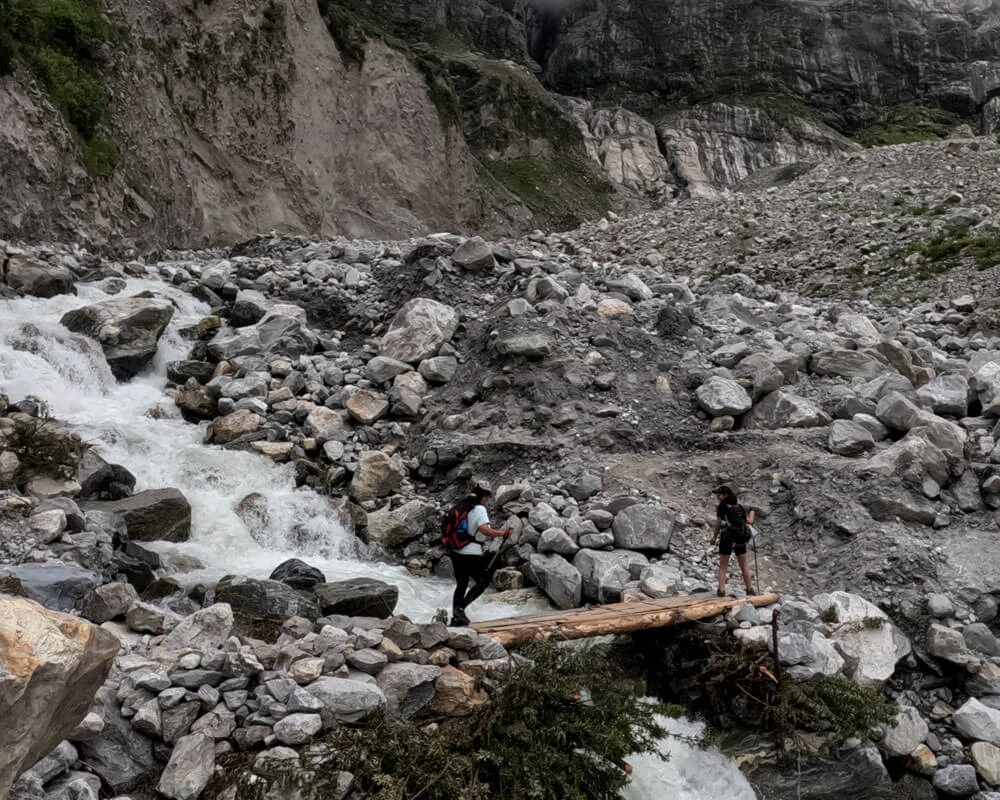
Your first day on the trekking trail begins with a peaceful walk out of Syabrubesi. The route crosses a rustic wooden bridge over the icy waters of the Bhote Kosi River. From here, the trail gradually winds its way along the riverbank, leading you into the dense forests of the Langtang National Park.

The walk is both serene and refreshing, surrounded by towering oaks, pines, and blooming rhododendrons in Spring. Here, you may witness wildlife, including Himalayan langur monkeys, colorful birds, and, if lucky, a glimpse of the elusive red panda. The sound of the rushing river accompanies you throughout this day.

After about six hours of steady hiking, you will reach Lama Hotel. It is a small settlement of cozy tea houses nestled in the forest at 2,470 meters and alongside Langtang Khola.

  • Overnight Altitude:3430 meters/11253 feet
  • Meals:Breakfast, Lunch and Dinner
  • Accommodation:Tea house

Leaving Lama Hotel, today's trail continues to climb steadily through a narrow, forested gorge where towering rhododendrons, pines, and oaks dominate the landscape. As you ascend higher, the dense forest slowly opens, and you will be rewarded with the first sweeping views of the valley’s iconic peak, Langtang Lirung, looming majestically above the horizon. You will also hear the sound of rushing rivers and cascading waterfalls throughout the journey.

Along the way, you will pass through several traditional settlements, including Chhunama, Pering Kharka, and Thyangsyap. The trail is also adorned with mani walls, prayer flags, and water-driven prayer wheels, reminding you of the region’s deep spiritual connection to Tibet. Before reaching the village, you will also encounter the Langtang Gompa, a small but culturally significant monastery.

Arriving at Langtang Village (3,430 meters) is both inspiring and poignant. The original village was tragically destroyed by a massive landslide during the 2015 earthquake, an event that claimed many lives. Today, the new Langtang Village has been carefully rebuilt in a safer location, with improved infrastructure and resilient communities. While here, you will also find a memorial at the old site that serves as a moving reminder of the tragedy. After a full day of trekking, you will settle into a tea house in Langtang Village.

  • Overnight Altitude:3870 meters/12697 feet
  • Meals:Breakfast, Lunch and Dinner
  • Accommodation:Tea house

Today’s trek is a short but scenic climb from Langtang Village to Kyanjin Gompa, allowing you to gradually adjust to the higher altitude. As you leave the lush rhododendron and pine forests behind, the trail opens into high-altitude alpine pastures, dotted with yaks grazing alongside rushing streams. You will start to notice towering mountains flank the valley on both sides, creating breathtaking vistas that capture the true essence of the Langtang Himalayas.

Moving on, reaching Kyanjin Gompa early gives you time to explore this historic monastery, which remains an important center of Tibetan Buddhist culture in the region. You can also visit the Swiss-assisted yak cheese factory, where local families produce a variety of cheeses, offering a unique opportunity to sample traditional yak dairy products. The village itself is surrounded by majestic peaks, which provide stunning photographic opportunities and a tranquil atmosphere.

  • Overnight Altitude:3870 meters/12697 feet
  • Meals:Breakfast, Lunch and Dinner
  • Accommodation:Tea house

Your day here usually starts with breakfast at your tea house with views of snow‑capped peaks. Later, you will then step onto a trail that opens into a broad, glacial valley framed by giants like Langtang Lirung, Dorje Lakpa, and Gangchempo. The walking itself feels different here: the air is crisper, the valley wider, and the landscape more alpine than the forests you have passed through earlier in the trek. On the way, you will likely see yak pastures, and if you are lucky, birds or other wildlife adapted to high elevations can pop up in the meadows.

Once you reach Kyanjin Gompa, the first thing that catches your eye is the serenity and scale of the place. You will find ancient stone lodges, the monastery, and prayer flags fluttering in winds that seem to carry centuries of mountain stories. A large part of the day is about soaking it all in: walking right up to the traditional yak cheese factory tucked near the village (a great taste of local mountain culture), wandering around the monastery and local settlement, or taking a gentle stroll toward the edge of the nearby glacier flats and small tarns.

If you want it, you can also use this day for a day hike, whether it’s to Kyanjin Ri for a 2 to 3 hour climb with remarkable 360‑degree valley views, or even to Tserko Ri for a longer, more challenging outing. For this day hike, you will start early, often before sunrise, so that you will get the clearest skies and calmer winds. By early afternoon, you will usually be back down in Kyanjin Gompa having lunch, surrounded by massive peaks.

  • Overnight Altitude:2470 meters/8014 feet
  • Meals:Breakfast, Lunch and Dinner
  • Accommodation:Tea house

After several days of trekking through high-altitude landscapes, today is a relatively easy downhill hike from Kyanjin Gompa back to Lama Hotel. Covering approximately 18 kilometers over 5 to 6 hours, this section provides a wonderful opportunity to reflect on your journey so far and enjoy the Langtang Valley scenery from a new perspective.

The trail descends through alpine pastures and yak grazing areas, gradually returning to the denser forests of rhododendron, pine, and oak. You will pass familiar villages, streams, and prayer flags. Upon arrival at Lama Hotel, you will be welcomed by cozy tea house accommodation, hearty meals, and the chance to rest your legs after the descent.

  • Overnight Altitude:2230 meters/7316 feet
  • Meals:Breakfast, Lunch and Dinner
  • Accommodation:Tea house

From Lama Hotel, you will branch off toward Pairo, leaving the Langtang Valley route behind and officially stepping onto the Langtang-Gosaikunda section of the trek. The climb to Thulo Syabru is steep and steady.

But here’s the payoff: as you gain height, the views open up, and the trail starts revealing the cultural heartbeat of the region. Thulo Syabru is a traditional Tamang village and offers sweeping valley views and a strong sense of local life. Here, you will see stone houses, prayer flags, and warm tea houses.

  • Overnight Altitude:3300 meters/10827 feet
  • Meals:Breakfast, Lunch and Dinner
  • Accommodation:Tea house

Today, the trail climbs steeply at first, lined with chortens and weaving through dense forests of oak and rhododendron. By the time you reach Foprang Danda, the incline eases, and the panorama starts to open up.

Arriving at Sing Gompa (3,300 meters), you will be greeted by a charming village perched amidst dramatic Himalayan views. Within this monastery, you will get insight into local Buddhist practices and the calm of high-altitude life. Later in the afternoon, you can simply relax, sip tea, and let the vistas sink in.

  • Overnight Altitude:4380 meters/14370 feet
  • Meals:Breakfast, Lunch and Dinner
  • Accommodation:Tea house

You will start by winding through dense forests toward Cholangpati, and soon the trail steepens as you climb toward Lauribina. From here, you will witness views such as Ganesh Himal, Langtang Himal, Manaslu, and even the distant Annapurnas stretch across the horizon.

Breaking free of the tree line, the sacred Gosaikunda Lakes appear like hidden jewels in the high-altitude landscape. Among the three main pools, Saraswatikunda, Bhairabkunda, and the holiest, Gosaikunda itself, the atmosphere here is serene and almost reverential. In Hindu tradition, this is believed to be the temporary abode of Lord Shiva, and in August, pilgrims make the long journey here to pay homage.

  • Overnight Altitude:3530 meters/11581 feet
  • Meals:Breakfast, Lunch and Dinner
  • Accommodation:Tea house

Today is one of the biggest days of your Langtang Gosaikunda Helambu Trek, as you will be tackling the iconic Laurebina La Pass at 4,610 meters. You will start early, around sunrise or shortly after breakfast, to take full advantage of the cool morning air and the clearer skies that often prevail before afternoon clouds build. 

The day begins with a steady climb from the serene heights above Gosaikunda Lake, winding through rocky high‑alpine terrain, ridgeline steps, and grassy high meadows that feel almost lunar in their openness. At first, the trail traces gentle, sweeping contours; then, as you push higher, it tightens into steeper switchbacks.

Along the way, you will witness a broad amphitheater of the Langtang Himalaya, including peaks like Langtang Lirung, Dorje Lakpa, and Ganesh Himal. You may spot mountain birds and even hear the odd distant call echoing up the slopes.

Halfway up, the air gets noticeably thinner, and the path feels narrower, but the payoff grows with every step. Soon, you find yourself on the approach ridge, where prayer flags are fluttering in the high winds. Cresting Laurebina La feels almost ceremonial with 360‑degree panoramas that stretch across alpine ridges and distant valleys. 

The descent isn’t a letdown either. From the pass, the trail drops into the quieter, rolling hills that lead toward Phedi and finally to Ghopte (3,530 meters). Each bend brings fresh angles of mountain scenery, and you will likely pass small seasonal streams and see signs of yak and other high‑altitude grazers moving across the meadows.

By the time you arrive at your lodge in the late afternoon, you will have climbed one of the highest points on this trek, experienced some of the most dramatic Himalayan terrain, and earned views that many trekkers never get to see.

  • Overnight Altitude:2530 meters/8300 feet
  • Meals:Breakfast, Lunch and Dinner
  • Accommodation:Tea house

Today, the landscape you’ve been living in for days begins to soften, and the trail moves from a rugged alpine mood into the gentler, rolling hills that lead toward Helambu. The day typically starts early with a hearty breakfast at Ghopte, where the air still feels cool. After several high‑altitude days, this feels like a fresh chapter in your Himalayan story.

From Ghopte, the trail climbs gently at first, threading through grasslands and pockets of rhododendron bushes that change with the seasons. Along the way, the views open up again with vast Himalayan ridges to the north and quieter, tree-lined valleys below.

Then comes Thadepati Viewpoint, arguably one of the most rewarding lunch stops on this entire trek. Perched on a broad ridge high above the Melamchi watershed, Thadepati is situated between the vast Langtang ranges behind you and the gentle high‑hill landscape ahead. When you arrive, especially before noon, the panoramic views often unfold in clear light with Ganesh Himal, distant peaks in the Helambu-Langtang borderland, and the sweeping corridors you have been following for days.

After lunch and a few photos here, the trail turns downward toward Melamchi Gaun. Here, the landscape transitions again with the wide ridgelines giving way to softer hillsides framed by oak and rhododendron forests, and the trail begins to feel more earthy underfoot. You will notice birds and smaller wildlife more often here, including Himalayan bulbuls, woodpeckers, and the occasional monkey if you are lucky.

When you reach Melamchi Gaun, you will notice a peaceful settlement, with terraced fields, stone houses, and tea houses that wrap you in warmth after a long day on your feet. Even the air feels softer, and at dinner you will likely chat about how different the day felt.

  • Overnight Altitude:2600 meters/8530 feet
  • Meals:Breakfast, Lunch and Dinner
  • Accommodation:Tea house

You will leave Melamchi Gaun in the early morning with that satisfying feeling of having crossed major landscapes. This stretch isn’t as steep as some earlier days, but every step still feels purposeful.

The trail out of Melamchi Gaun starts gently, winding through terraced fields, tall forests of oak and rhododendron, and quiet agricultural clearings. As you move, you will get distant views of the Langtang and Ganesh Himal ranges still lingering behind you. Unlike the stark alpine feel near Gosaikunda, this terrain feels earthier and more human.

Later, you will reach Tarke Ghyang. It is one of the larger, more culturally rich villages in the Helambu region, perched on a hillside that opens into wide views of surrounding forests and peaks. You might catch glimpses of terraced fields carved neatly into hills, smoke rising from cooking stoves, and children running past with smiles that make you feel instantly at home.

When you arrive in Tarke Ghyang, the village welcomes you with a sense of calm that’s distinctly Helambu, with stone and wood houses, prayer flags fluttering on ridgelines. Tea houses here are comfortable, the food is hearty, and locals move through their day with a calm, grounded rhythm that’s contagious.

  • Overnight Altitude:2600 meters/8530 feet
  • Meals:Breakfast, Lunch and Dinner
  • Accommodation:Tea house

After cozy nights in Tarke Ghyang, you will set out early for a day hike up to Aama Yangri Viewpoint, which is one of the most celebrated panoramas in the Helambu region. 

The hike starts with a gentle rhythm with easy paths winding through forests of rhododendron, oak, and juniper, interspersed with open clearings. There’s a freshness to the air that’s unique in this region. 

When you reach Aama Yangri Viewpoint (around 3,771 meters), the perspective shifts dramatically. Instead of forested hills or lonely valleys, you will be greeted by wide Himalayan panoramas that stretch from the Langtang ranges behind to the distant spines of Ganesh Himal, Dorje Lakpa, and beyond. The sun here paints the mountains in changing light over the course of your stay.

The moment at the viewpoint is more than visual. You will notice prayer flags flap at wind-tossed ridges and clouds drift slowly below nearby peaks. You can linger here longer than planned by photographing, meditating, or simply breathing it in.

The descent back to Tarke Ghyang is equally memorable but gentler on the legs. The trail eases back into shaded woodland and village-border paths. By the time you are back at your tea house, the sun is usually high, lunch is ready, and there’s a lively sense of camaraderie among fellow trekkers.

  • Overnight Altitude:1400 meters/4593 feet
  • Meals:Breakfast and Lunch
  • Accommodation:3 star hotel

After all the miles you have walked, today feels a bit like the gentle exhale of your Langtang Gosaikunda Helambu Trek. You will start your morning in Tarke Ghyang with breakfast.

The drive from Tarke Ghyang to Kathmandu usually begins mid-morning. Most of the route is on winding mountain roads that drop gradually from the hills and ridges of Helambu into lower valleys, and then transition into the broader highways leading to the capital.

You should expect this drive to last several hours, with the landscape gradually unfolding from rural ridges into more bustling towns and eventually the urban sprawl of Kathmandu. You will likely see stops along the way for tea, snacks, or just to stretch your legs and snap a few last mountain photos.

As the road brings you closer to Kathmandu Valley, you will notice the colors and sounds change. Concrete and traffic replace forest and trail. Once you arrive and check into your hotel, there’s usually a mix of relief and accomplishment in the air.

  • Meals:Breakfast

Farewell and drop-off at the airport, or the opportunity to join another program.

Got a question about this tour?

Or looking for customize trip, reach out to our travel experts.

Customize Trip

Note

This itinerary is just a guideline, if you are not satisfied, please feel free to let us know. We are quite flexible to customize the way you are looking for.

What's Included
Cost Includes
  • Complimentary airport pick-up and drop-off
  • Complimentary welcome dinner
  • Three-night stay in Kathmandu with breakfast included.
  • All necessary trekking permits, TIMS cards, etc.
  • All accommodations during the trek
  • Three meals a day during the trek
  • A cup of tea or coffee with the meal
  • Fresh fruit each day if and when available.
  • Complimentary duffel bag, down jacket, trekking map, sleeping bag if needed
  • A government-registered and first-aid-trained professional local guide who speaks English
  • First-aid kit
  • Road transport to Syabrubesi from Kathmandu by bus
  • Road transport to Kathmandu from Sundarijal by car
  • Staff insurance, meals, accommodations, equipment, transportation, etc.
  • Rescue arrangements, if necessary
  • Agency service charge and government tax, or VAT
  • Certificate of Achievement if needed
Cost Excludes
  • International airfare and Nepal visa fee
  • Lunch and dinner in Kathmandu
  • Porters to carry your backpacks (Hiring porters enhances your trekking experience and gives you peace of holiday. Nepal Trekking Experts provide porters on request)
  • Personal insurance, personal expenses, loss of property, theft, etc.
  • Sightseeing costs in the city. (temples, monasteries, etc.)
  • All beverages, snacks, and additional expenses such as laundry, hot showers, battery charging, wifi, etc.
  • Additional cost due to natural calamities and unforeseen circumstances
  • Tips for staff
Route MapDownload Map
Langtang Gosaikunda Helambu Trek map
Dates & Availability
Start:ThursdayApr 30, 2026
End:SaturdayMay 16, 2026
PriceUS$1145
StatusAvailable
Photos & Videos
FAQs for Langtang Gosaikunda Helambu Trek
  • You will need a Langtang National Park entry permit and a TIMS card to legally trek this route, which are usually arranged in Kathmandu or through your trekking agency.

  • Yes, and it must cover high‑altitude trekking, medical care, and helicopter evacuation to protect you in emergencies in remote Himalayan terrain.

  • Yes, hiring a guide is a must for safety, navigation, and permit handling.

  • It’s generally rated moderately challenging, involving long walking days, varied terrain, and altitude gains up to ~4,610 meters.

  • Spring (March to May) and autumn (September to November) are the most favorable seasons with stable weather and clear mountain views.

  • Yes, but monsoon brings rain and slippery trails, and winter brings snow and cold, making both seasons more challenging than spring or autumn.

  • No, credit cards and ATMs are typically not available on the trail, so you must bring enough cash in Nepali rupees.

  • Compared to Everest or Annapurna routes, this trek is quieter and less crowded, especially past the major villages.

  • Yes, you can also extend into the Tamang Heritage or the surrounding valleys for cultural and scenic diversity.

You may also like
Related Packages
1Travelers' Reviews
  • TripAdvisor
    rating star

    Stop your search now: Nepal Trekking Experts are the best!

    It's hard to write this review without sounding hyperbolic, but Rajesh and the team at Nepal Trekking Experts are simply the best -- if you're considering a trek of any length in Nepal, you want these guys! My wife and I are professional wilderness instructors in the United States, and we were hesitant to use a guide in Nepal, much less a porter. We figured we could do it ourselves -- in retrospect, we're so glad we decided not to. From beginning to end, Rajesh, Daljit (our guide), and Santa (our porter), were professional, hardworking, and incredibly thoughtful. From our personal pickup at KTM, to the top-notch hotel they chose for us in Kathmandu, to the private jeep ride the arranged for our 7-hour drive to the Langtang Valley, to the custom route they put together for us, we simply couldn't have asked for more. They took care of all the logistics, and let us enjoy our two weeks in Nepal.

    We did the Langtang Valley trek, after a mid-December snowstorm made it impossible to do the Manalsu Trek (our original choice). As soon as snow closed the pass around Manalsu (several weeks before our scheduled arrival in Nepal), Rajesh reached out to present alternative options, from Langtang to Annapurna. He helped us understand the various options in detail, and then put together a custom Langtang route, based on our desire to cover as much terrain as possible in 12 days! In the end, Rajesh and Dal designed a route that combined the Tamang Heritage trail, Langtang Valley, Gosaikunda Pass, and Helambu. It was an amazing route, and each day Dal made adjustments as necessary -- there was nothing cookie-cutter about it, or prescribed villages we had to stay in. Instead, he was flexible and creative, according to our pace and interests. For instance, at the end of the Langtang Valley, we took an extra day to climb Cherko Ri -- after we summited the peak, Dal and Santa took us on an off-trail, high alpine adventure to explore even more of the valley.

    By deciding to use a guide and porter, we were able to support the Nepalese economy, and learned far more about the history of the area than we would have otherwise. Dal and Santa answered all our questions, helped us spot monkeys, black bears, and (rare!) mountain goats, offered us endless tea refills, and always made sure we had the nicest room in the guest house. At the end of Langtang Valley, Dal even found us a rooftop "penthouse suite" with windows on three sides of the stunning mountains outside.

    Back in Kathmandu, before and after the trip, Rajesh and his team were incredibly professional, diligent, and detail-oriented. They don't miss a thing, and often seemed to reply to our emails within minutes of receiving them. We felt very well cared for. Because Rajesh arranged all our transportation and our hotel, we didn't have to worry about buses, taxis, or haggling room prices.

    Rajesh and his brother both started as guides, before founding Nepal Trekking Experts, and this shows in everything they do. They clearly have an intimate knowledge of every route, village, and road, because they have guided there themselves. At the same time, they employ the highest quality guides and porters (guys like Dal and Santa), who clearly enjoy working for such a reputable, well-established company.

    Don't waste your time doing more research -- seriously. If you're doing a trek in Nepal, look no further. Rajesh will answer every question you have and set you up for the adventure of a lifetime.

    K
    Kevin FJan 20, 2020United States
Call us on WhatsApp+977 9841917136OrChat with us
Consult with a Travel Expert

Do you have any questions about the trips? Contact our travel experts in various countries.

Plan Your TripJoin Our Newsletter